Handwritten Notes to Improve Employee Engagement
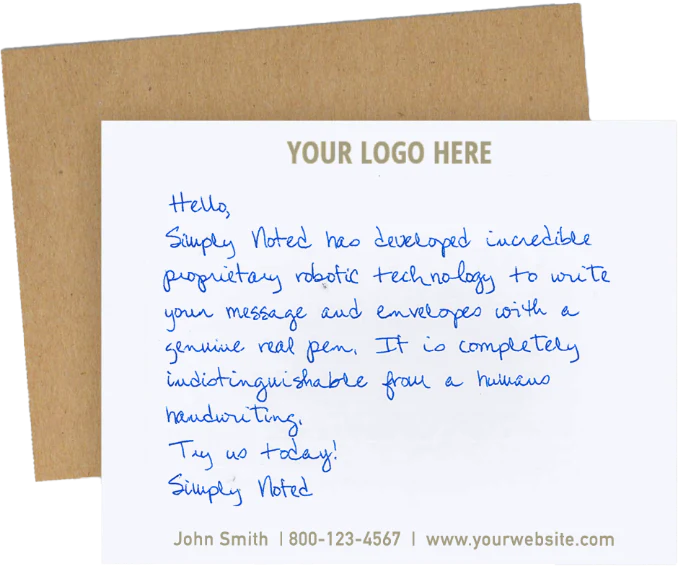
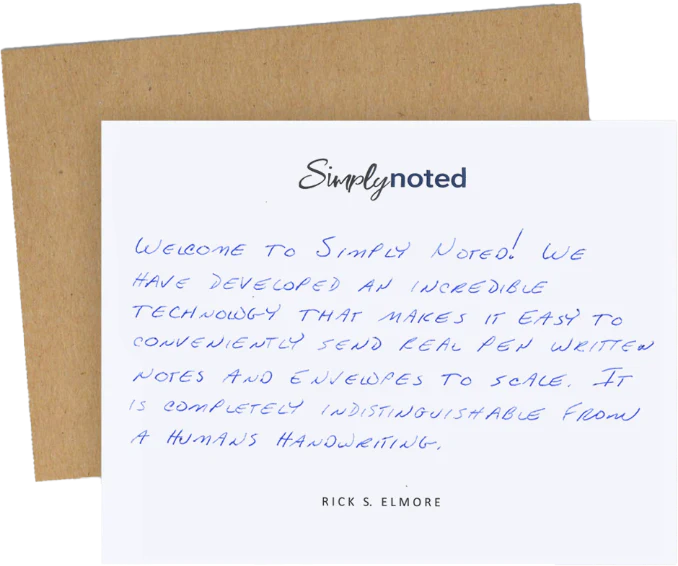
Simply Noted writes and mails real pen-and-ink cards for businesses. See handwritten notes for business →
Using Handwritten Notes to Improve Employee Engagement and Workplace Culture

In today’s fast paced business world, communication often happens through screens. Emails, instant messages, and digital communication tools dominate the workplace. While electronic communication is efficient, it often lacks emotional depth. As organizations search for many different ways to build stronger relationships, boost employee morale, and improve performance, one simple but powerful tool is often overlooked: handwritten notes.
Using handwritten notes to improve employee engagement and workplace culture is not about replacing technology. It is about reintroducing a personal touch that helps employees feel valued, recognized, and connected. A handwritten card or thank you note can create a positive impact that no automated message can replicate.
This blog post explores why handwritten notes matter, how they influence employee motivation and job satisfaction, and how managers and employers can use them to create a positive company culture.
SEE ALSO: When Should Businesses Send Handwritten Cards?
Why Handwritten Notes Matter in the Modern Workplace
Workplaces today rely heavily on digital communication. While efficient, digital messages are easy to forget. A handwritten note, however, stands out. It shows effort, intention, and genuine appreciation.
When managers take time to write notes by hand, employees notice. The act of writing signals that the person matters, their hard work is recognized, and their contributions are not taken for granted. This sense of being valued strengthens employee engagement and reinforces a positive attitude toward the organization.
Using handwritten notes to improve employee engagement and workplace culture helps organizations slow down communication in a meaningful way, allowing gratitude and recognition to feel authentic rather than routine.
The Emotional Power of a Personal Touch
A handwritten thank you note creates a personal connection between managers and employees. Unlike a mass email, a personalized note speaks directly to one person. It acknowledges their effort, dedication, and role within the team.
This personal touch plays a crucial role in creating trust. Employees who feel trusted and appreciated are more likely to stay motivated, productive, and loyal. Over time, these small gestures build stronger relationships and reinforce teamwork across the workplace.
Handwritten notes remind employees that they are not just completing a task but contributing to a shared mission within the company.
Handwritten Notes and Employee Recognition
Employee recognition is one of the most effective ways to improve morale and engagement. While bonuses and rewards matter, recognition through words often has a longer-lasting effect.
A handwritten thank you note allows managers to recognize employees in a meaningful way. It shows recognition for extra effort, consistent performance, or a positive attitude. Whether acknowledging a project milestone or daily hard work, writing a note helps employees feel seen.
Using handwritten notes to improve employee engagement and workplace culture ensures that recognition feels sincere rather than transactional. Employees are more likely to remember a thoughtful note than a generic message sent through a system.

Building a Positive Work Environment Through Gratitude
A positive work environment is built on appreciation, respect, and open communication. Expressing gratitude through handwritten notes reinforces these values. It encourages a culture where saying thank you becomes normal rather than rare.
When employees see managers writing notes to colleagues, it sets an example. Gratitude spreads across teams, improving relationships and collaboration. Over time, this creates a positive company culture where recognition and appreciation are part of everyday behavior.
Handwritten cards and letters help shift the workplace from a purely task-focused environment to one that values people and effort.
Supporting Employee Motivation and Job Satisfaction
Employee motivation is closely linked to how valued people feel at work. When employees feel ignored or forgotten, engagement drops. A simple handwritten note can reverse that feeling.
Recognizing contributions, celebrating work anniversaries, or welcoming new employees with a handwritten card improves job satisfaction. It reinforces the sense that the organization cares about individuals, not just results.
Using handwritten notes to improve employee engagement and workplace culture helps employers support long-term motivation by making employees feel respected and appreciated.
SEE ALSO: How Do You Say Thank You Meaningfully?
Handwritten Notes vs Electronic Communication
Electronic communication is fast, scalable, and necessary. However, it lacks emotional warmth. Digital messages are often skimmed, archived, or forgotten within minutes.
Handwritten notes demand attention. They are physical, personal, and memorable. Employees often keep handwritten notes on desks, pin them on boards, or save them for years. This lasting presence reinforces positive feelings and improved morale.
The contrast between digital communication and handwritten messages is exactly why handwritten notes feel powerful in modern workplaces.
Strengthening Company Culture and Employee Retention
Company culture is shaped by daily actions, not just policies. Small gestures, such as writing notes, influence how employees perceive leadership and the organization.
When employers consistently recognize employees through handwritten notes, they foster loyalty and trust. Employees who feel appreciated are more likely to stay, reducing turnover and improving employee retention.
Using handwritten notes to improve employee engagement and workplace culture contributes to a sense of belonging, which is essential for long-term organizational success.
Practical Ways Managers Can Write Meaningful Notes
Writing effective handwritten notes does not require perfect wording. It requires sincerity.
Managers can:
Write short thank you notes after successful projects
Acknowledge dedication during busy periods
Welcome new employees with a personalized note
Recognize teamwork and collaboration
The key is consistency. Even brief notes, when written regularly, create a positive impact and reinforce appreciation across the workplace.
Creating Trust and Improving Teamwork

Trust is built through consistent actions. When employees see that their managers take time to write notes, it signals respect and care.
This trust improves teamwork. Employees feel more comfortable communicating, sharing ideas, and supporting colleagues. Over time, handwritten notes contribute to stronger relationships and a more engaged team.
Using handwritten notes to improve employee engagement and workplace culture strengthens the emotional foundation of the organization.
Long-Term Impact on Performance and Productivity
Employee engagement directly affects performance and productivity. Motivated employees put in more effort, collaborate better, and maintain a positive attitude.
Handwritten notes reinforce recognition, appreciation, and gratitude, which lead to improved morale. This emotional boost translates into higher productivity and better overall performance.
Organizations that invest in personal communication often see measurable improvements in engagement and workplace culture.
SEE ALSO: 10 Best Referral Thank You Letter Examples
Why Handwritten Notes Are a Powerful Tool for Employers

Handwritten notes are simple, low-cost, and highly effective. They require time and effort, but the return is significant.
They help employers:
Recognize employees authentically
Strengthen company culture
Improve employee morale and motivation
Build loyalty and trust
Support long-term engagement
Using handwritten notes to improve employee engagement and workplace culture proves that sometimes the most powerful tools are the simplest ones.
Frequently Asked Questions (FAQs)
Why are handwritten notes more effective than emails?
Handwritten notes offer a personal touch that digital communication cannot replicate. They show intentional effort, making employees feel genuinely valued rather than automatically acknowledged. Because they are tangible and thoughtful, handwritten notes are more memorable and emotionally impactful.
How often should managers write handwritten notes?
There is no fixed schedule for writing handwritten notes. Managers can write them after major contributions, successful projects, work anniversaries, or moments of extra effort. Consistency matters more than frequency, as regular recognition builds trust and engagement.
Can handwritten notes improve employee retention?
Yes, handwritten notes can significantly improve employee retention. When employees feel appreciated and recognized, they develop stronger loyalty to their employer. This sense of value increases engagement and reduces the likelihood of employees seeking opportunities elsewhere.
What should a handwritten thank you note include?
A handwritten thank you note should mention the specific contribution being recognized. It should clearly express gratitude and acknowledge the effort or dedication shown. Keeping the message sincere and personal makes the recognition more meaningful.
Are handwritten notes suitable for all types of businesses?
Yes, handwritten notes are suitable for businesses of all sizes and industries. They can be adapted to match different workplace cultures, leadership styles, and communication practices. Whether in a small team or a large organization, handwritten notes add a personal element that strengthens employee relationships.
Final Thoughts
In a world where digital communication dominates the workplace, brands like SimplyNoted highlight the lasting value of human connection. Handwritten communication is more than just messages on paper; they are meaningful expressions of gratitude, recognition, and appreciation. By making handwritten communication easy and scalable, SimplyNoted helps companies reconnect with what truly matters: people.
When employers take the time to recognize employees with a handwritten thank you note or card, it sends a clear message that individual effort and dedication are valued. These small gestures help build trust, improve morale, and strengthen company culture over time. Employees who feel appreciated are more engaged, motivated, and loyal to their organization.
SimplyNoted demonstrates that thoughtful communication does not need to be complicated. A simple handwritten note can create a powerful emotional impact, turning everyday recognition into a lasting memory that supports a positive, engaged, and productive workplace culture.