When Should Businesses Send Handwritten Cards?
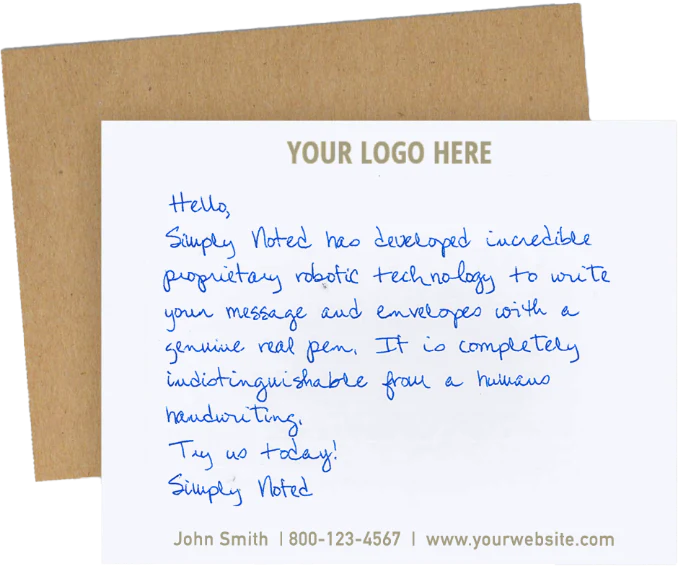
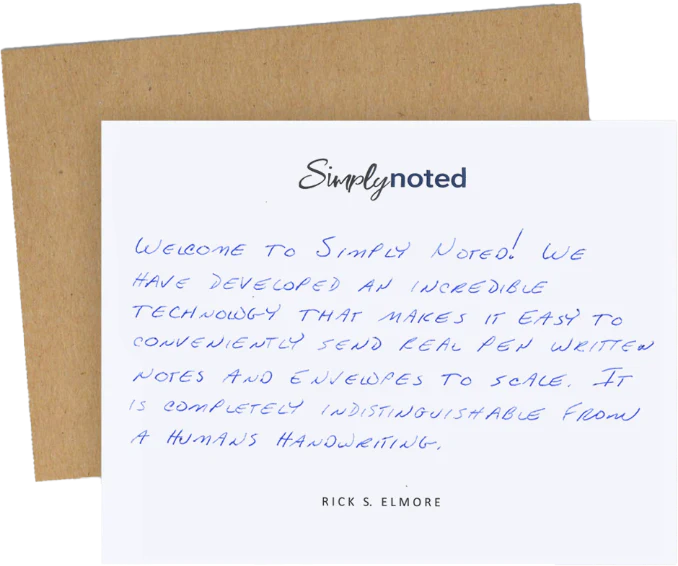
Simply Noted writes and mails real pen-and-ink cards for businesses. See handwritten notes for business →
In a world dominated by instant communication, many businesses forget the impact of slowing things down. Emails, notifications, and text messages arrive by the hundreds every day. Most are skimmed. Many are ignored. Very few are remembered.
That is where handwritten communication stands apart. When should businesses send handwritten cards? The answer is simple: whenever the goal is to create a personal touch that feels genuine rather than automated. A handwritten card signals intention. It shows effort. It tells customers they are more than just a transaction.
For modern business owners, timing matters as much as the message itself. Sending a handwritten note at the right moment can strengthen communication, deepen trust, and help customers feel valued in ways digital channels rarely achieve.
This guide explores the moments when handwritten cards make the greatest impact, and how businesses can use them strategically to build stronger relationships.
Why Handwritten Cards Create a Lasting Impression?

Handwritten cards leave a lasting impression because they feel human. Unlike automated emails or templated messages, a handwritten note carries warmth, intention, and personality. It feels real in a way few marketing tools do.
There is something powerful about holding a physical card. The texture of the paper. The ink. The sense that time was taken to create it. That experience creates an emotional connection almost instantly.
Customers often respond positively because handwritten cards feel unexpected. They stand out in the mail. They feel thoughtful rather than promotional. A simple handwritten note can turn a routine interaction into a personal connection that customers remember long after the message is read.
This is why handwritten cards continue to work so well. They help customers feel special. They reinforce appreciation. And they quietly strengthen the relationship between a brand and the people it serves.
See Also : 15 WAYS TO SAY THANK YOU FOR YOUR HOSPITALITY | A THOUGHTFUL GUIDE
Handwritten Notes vs Digital Messages in Modern Business
Digital messages are fast. Convenient. Easy to scale. But they are also easy to overlook.
Text messages and emails arrive constantly, competing for attention on crowded screens. Most disappear within minutes. Handwritten letters, on the other hand, arrive through the post office with presence and weight. They slow the moment down.
Handwritten mail engages more senses. It is opened intentionally. Read more carefully. Often kept. That tangibility plays a major role in memory and brand recall.
While digital communication is essential for speed, handwritten notes serve a different purpose. They are not about urgency. They are about meaning. Businesses that balance both approaches communicate efficiently while still creating moments that feel personal and memorable.
In an age of instant messaging, handwritten communication feels rare, and rarity is exactly what makes it effective.
See Also: Create Impressive Handwritten Just-Sold Postcards to Boost Your Real Estate Business
The 13 Powerful Moments Businesses Should Send Handwritten Cards
Handwritten cards are most effective when they are sent with intention. Not randomly. Not excessively. But at moments that naturally matter to customers and business relationships.
The following sections outline thirteen powerful moments when businesses should send handwritten cards. Each moment is designed to support meaningful connections, strengthen trust, and enhance handwritten outreach without feeling forced or sales-driven.
When used thoughtfully, handwritten cards can support long-term relationships, reinforce appreciation, and create memorable touchpoints that digital communication often fails to achieve. Timing transforms a simple card into a strategic tool, one that quietly builds loyalty and keeps your business top of mind.
See also : 30TH BIRTHDAY SAYINGS | 62 IDEAS, SURPRISES, AND MESSAGE TEMPLATES
1: Sending Welcome Cards to New Customers

The first interaction after a sale often sets the tone for the entire relationship. Sending welcome cards to new customers shows appreciation beyond the transaction and helps establish trust early on.
A handwritten welcome card feels personal. It reassures customers that they made the right choice and that your business values them as individuals, not just orders. This simple gesture can turn a first-time buyer into someone who feels comfortable returning.
Welcome cards also help humanize your brand. Instead of relying solely on automated confirmation emails, a handwritten message adds warmth to the experience and strengthens the personal relationship from the very beginning. For many businesses, this early touchpoint plays a meaningful role in long-term customer retention.
2: Sending a Thank You Note After a Purchase
A thank you note is one of the most effective and versatile handwritten messages a business can send. After a purchase, customers often expect a receipt or follow-up email, but not a handwritten card.

That surprise matters.
Sending a handwritten thank you note communicates gratitude in a way digital communication rarely does. It reinforces appreciation and shows that the business genuinely cares about the customer’s decision. This is especially impactful for service-based businesses or brands that rely on repeat purchases.
A short, thoughtful message can leave a positive impression that lingers well beyond delivery. Over time, these moments of gratitude help strengthen relationships and subtly encourage repeat customers to return, not because they were pushed, but because they felt valued.
3: After a Big Purchase or Large Purchase
When customers make a big purchase or large purchase, they are placing significant trust in a business. A handwritten card at this moment reinforces that trust and acknowledges the importance of the decision.
This type of outreach is not about upselling. It is about recognition. A handwritten message following a major purchase tells the client their choice mattered and was noticed.
For sales teams and service providers, this approach can support long term loyalty and reduce buyer’s remorse. Customers feel reassured. They feel supported. And they associate that positive experience with the brand itself.
In many cases, this simple follow-up strengthens the relationship far more effectively than automated emails or discount offers ever could.
See Also : Simply Noted Makes Snail Mail Easy
4: Sending Birthday Cards to Strengthen Personal Connections

Birthday cards are one of the most personal forms of business communication. When done thoughtfully, they feel sincere rather than promotional.
A handwritten birthday card stands out because it acknowledges the customer as a person, not just a data point. Unlike digital reminders or generic greeting cards, a handwritten message feels intentional and warm.
This type of outreach helps build a stronger emotional connection over time. Customers often remember brands that recognize important moments in their lives, especially when no sale is attached.
For businesses focused on relationships, birthday cards quietly reinforce loyalty and appreciation. They help maintain a personal bond that goes beyond products, services, or pricing.
5: Sending Holiday Cards During the Holiday Season

The holiday season is one of the most natural times to send handwritten cards. While many companies rely on mass emails, handwritten holiday cards feel thoughtful and rare.
A well-timed holiday card allows businesses to share best wishes without asking for anything in return. That distinction matters. Customers are more receptive to messages that feel genuine rather than sales-driven.
Handwritten holiday cards help maintain visibility while reinforcing goodwill and continued loyalty. They also support long-term relationships by keeping the brand present during a meaningful time of year.
When customers receive a handwritten card among bills and promotions, it often stands out, and that positive moment can shape how they remember the business long after the season ends.
6: Recognizing Loyal Customers and Continued Loyalty

Loyal customers are the backbone of most successful businesses, yet they are often the least acknowledged. Sending handwritten cards to recognize continued loyalty helps reinforce the relationship in a meaningful way.
A handwritten note of appreciation reminds customers that their ongoing support matters. It goes beyond points or discounts and creates a personal moment that feels earned. This type of outreach can be especially effective when tied to a loyalty program milestone or long-term engagement.
When customers feel recognized, they are more likely to remain connected to the brand. Over time, these gestures help retain customers and strengthen trust, turning loyalty into something emotional rather than purely transactional.
7: Encouraging Repeat Customers After Multiple Purchases
Repeat customers often go unnoticed because their behavior feels expected. However, acknowledging multiple purchases with a handwritten card can reinforce positive buying habits.
Sending a handwritten message at this stage shows appreciation without pressure. It lets customers know their continued engagement has been noticed and valued. This subtle recognition can deepen trust and encourage future purchases naturally.
Rather than relying on automated follow-ups, a handwritten card creates a personal connection that supports customer retention. It makes customers feel appreciated for their relationship with the brand, not just their spending, which often leads to stronger long-term loyalty.
8: Re-Engaging Inactive or Lost Customers
When customers stop engaging, digital outreach often feels ineffective or intrusive. Handwritten outreach offers a softer, more human way to reconnect.
A thoughtful handwritten card can reopen communication without pressure. It invites customers back by reminding them of the relationship rather than the transaction. Many recipients respond positively because the message feels genuine and unexpected.
This approach works particularly well when the tone is appreciative rather than promotional. By focusing on meaningful connections instead of incentives, businesses can re-engage customers in a way that feels respectful and sincere.
See Also:9 Proven Ways to Win Back Lost Customers
9: Celebrating Special Occasions and Meaningful Milestones
Special occasions provide natural opportunities to strengthen relationships. Anniversaries, renewals, or shared milestones are moments customers often remember.
Sending a handwritten note during these moments helps reinforce emotional ties. It shows awareness and attentiveness, which can elevate how customers perceive the brand.
These messages do not need to be long. A short, thoughtful message can make the occasion feel acknowledged and valued. Over time, recognizing milestones helps create lasting customer relationships built on consistency and care.
10: Strengthening Business Relationships With Clients and Partners
Handwritten cards are not limited to customer outreach. They are equally effective for strengthening business relationships with clients, partners, and collaborators.
In professional settings, handwritten communication feels intentional and respectful. It signals appreciation, reliability, and long-term thinking, qualities that matter in business relationships.
Whether sent after a successful project, partnership milestone, or collaboration, a handwritten card reinforces trust and mutual respect. These gestures often leave a strong impression because they are rare in professional environments.
Over time, handwritten cards help maintain connections that go beyond contracts and emails, supporting healthier and more resilient business relationships.
See Also: Best Congratulations Card Ideas for Every Occasion
11: Showing Appreciation to Employees and Internal Teams
Handwritten cards are just as powerful inside a business as they are outside it. Recognizing employees with a handwritten note can have a strong positive impact on morale and engagement.
A handwritten message of appreciation feels personal and sincere. It shows that effort was taken to acknowledge someone’s contribution, whether for a project milestone, performance achievement, or simple consistency.
Employees who feel valued are more likely to stay engaged and aligned with the brand’s values. Over time, these gestures help strengthen internal relationships and foster a culture of gratitude. While often overlooked, handwritten notes can quietly support retention and reinforce loyalty within teams.
12: Using Handwritten Mail as Part of a Direct Mail Strategy

Direct mail remains effective, but handwritten mail elevates it. When businesses replace generic mailers with handwritten cards, the message feels intentional rather than promotional.
Handwritten direct mail stands out because it breaks expectations. Recipients slow down. They open it. They read it. That pause creates an opportunity for meaningful communication.
This approach works particularly well for service-based businesses, outreach campaigns, or follow-ups where trust matters. Handwritten cards can be sent individually or at scale, even in larger campaigns, without losing authenticity. When done right, handwritten direct mail delivers stronger engagement and a more memorable brand experience.
13: Following Up to Increase Sales Without Pressure
Sales follow-ups often feel transactional. Handwritten cards offer a different path.
Sending a handwritten note after a conversation, proposal, or service interaction helps move the relationship forward without urgency or pressure. It reinforces professionalism while keeping the tone personal.
This type of follow-up supports trust-based sales rather than aggressive tactics. Customers feel respected, not chased. As a result, handwritten follow-ups can help increase sales naturally by keeping the brand top of mind in a positive way.
In many cases, the simplicity of a handwritten message does more to influence next steps than multiple digital reminders ever could.
How Handwritten Cards Help Build Lasting Customer Relationships?

Handwritten cards are not about quick wins. They are about consistency and care. Over time, these small gestures add up to lasting customer relationships built on trust and appreciation.
When customers receive thoughtful handwritten communication at meaningful moments, they begin to associate the brand with reliability and sincerity. That emotional connection strengthens loyalty and encourages continued engagement.
Rather than relying solely on promotions or incentives, handwritten cards support relationship-driven growth. They help customers feel remembered and valued, which plays a key role in long-term retention and brand advocacy.
How Businesses Can Send Handwritten Cards at Scale Without Losing the Personal Touch?
Many businesses hesitate to send handwritten cards because of time constraints. Writing, addressing, and mailing cards manually can feel unrealistic at scale.
Modern solutions make it possible to send handwritten cards efficiently while preserving authenticity. Businesses can personalize messages, maintain handwriting quality, and reach even hundreds of recipients without sacrificing consistency.
This approach allows companies to save time while still delivering meaningful, handwritten communication. The result is a scalable process that keeps the human element intact, something digital-only strategies often struggle to achieve.
Best Practices for Writing Effective Handwritten Messages
The most effective handwritten messages are simple and thoughtful. They do not need to be long to make an impact.
Focus on clarity and sincerity. Personalize the message where possible, whether by referencing a moment, a purchase, or a shared interaction. Keep the tone warm and professional.
Avoid turning handwritten notes into sales pitches. The goal is connection, not conversion. When the recipient feels respected and appreciated, positive outcomes often follow naturally.
A well-written handwritten message feels intentional, not automated, and that difference is exactly what makes it memorable.
Turning Handwritten Cards Into a Long-Term Growth Strategy
Handwritten cards may feel like a lost art, but their impact in modern business is undeniable. When sent at the right moments, they create meaningful connections that digital communication rarely achieves.
For businesses focused on relationships, trust, and long-term loyalty, handwritten cards offer a simple yet powerful strategy. They help customers feel seen. They reinforce appreciation. And they quietly support growth without pressure.
Used consistently, handwritten communication becomes more than a gesture, it becomes a brand advantage.