Handwritten Notes for Employee Engagement: 12 Key Moments & Services
Simply Noted writes and mails real pen-and-ink cards for businesses. See handwritten notes for business →

Handwritten Notes for Employee Engagement — 12 Moments + Which Service to Use
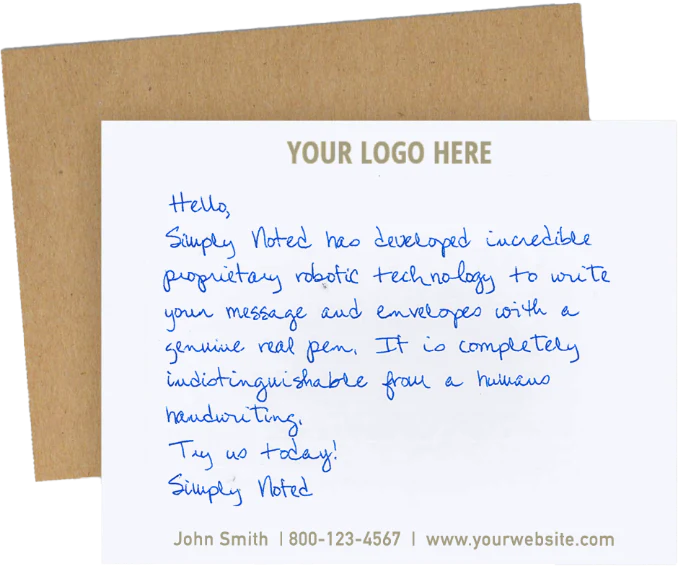
In many workplaces, recognition has become almost entirely digital. Teams rely on chat messages, email, and quick shout-out posts, but those formats are easy to overlook. That is why handwritten notes employee engagement strategies still matter. A handwritten note feels personal, deliberate, and memorable in a way most digital recognition does not.
This matters for both in-house teams and remote workers. When employees feel valued, they are more likely to stay motivated, connected, and invested in the business. A handwritten thank-you note can support employee motivation, job satisfaction, and better employee retention by turning appreciation into something real.
This guide explains where handwritten notes fit inside a strong employee recognition program, highlights 12 key lifecycle moments, shares message templates, and compares service options, including SimplyNoted, Handwrytten, Levitate, and Thankster.
See Also: Handwritten Notes to Improve Employee Engagement
Why Handwritten Notes Matter for Employee Engagement
Most companies rely on digital recognition because it is fast and convenient. Managers send emails, post in team chats, or mention wins during town hall meetings. These methods can help, but they are often short-lived and easy to forget.
A handwritten note creates a tangible reminder that stays with the employee. It feels more personal because someone took the time to write, sign, and send it. That extra effort gives the message more meaning and helps it stand out in a busy work environment.
Handwritten appreciation supports effective employee recognition by helping employees feel valued in a sincere and human way. Over time, it can improve job satisfaction, motivate employees, reinforce company values, and support better employee retention.
How Handwritten Notes Support Employee Recognition Programs
Handwritten notes work well in an employee recognition program because they add a personal layer that many formal systems lack. A company may already use public recognition, peer recognition, or monetary rewards, but a handwritten note often makes the appreciation feel more genuine and can publicly recognize effort in a more lasting way.
This is especially true when handwritten notes are paired with other recognition ideas. For example, an employee may be recognized during town hall meetings and also receive a handwritten thank you note from direct supervisors or senior management. That combination works well because employees choose different forms of recognition for different moments.
Handwritten notes can also support experiential rewards, company swag, free parking, fitness classes, or wellness day initiatives. Most importantly, they play a crucial role in demonstrating appreciation in a way that feels sincere and motivates employees.
12 Employee Lifecycle Moments for Handwritten Notes
Welcome Notes for New Employees
A handwritten note during onboarding helps new employees feel appreciated from day one. It creates a strong first impression and can reinforce company culture, company values, and the tone of the organization. This simple gesture helps the person feel seen, not just processed.
First Week or First Month Milestones
Early milestones are a good time to recognize employees for adjusting well, learning quickly, or making a solid first contribution. These moments help build confidence and job satisfaction, especially when managers want employees feel supported early in the role.
Work Anniversaries
Work anniversaries are one of the best times for handwritten recognition. A short note or one of your work anniversary cards can celebrate loyalty, growth, and contribution. This moment helps employees reflect on their value to the team and organization.
Employee Birthdays
Employee birthday cards add a personal touch that feels warm without being complicated. They help celebrate birthdays in a more thoughtful way and can strengthen team culture, especially when employees feel underappreciated in fast-moving workplaces.
Project Completion
After a major launch, campaign, or deadline, a handwritten note can recognize exceptional work and hard work. This is especially useful when thanking a specific team, direct reports, or people across different departments who contributed to a shared result.
Small Achievements
Not all recognition should wait for major milestones. Notes that recognize small achievements show employees that steady progress matters too. This kind of appreciation can be more effective than waiting only for headline-worthy results.
Going Above and Beyond
When workers step up during busy periods, cover for coworkers, or solve a difficult problem, a handwritten note can reward employees in a way that feels personal. This supports employee motivation and recognition efforts without needing a large reward process.
Leadership Recognition
A note from senior management or the leadership team often carries extra weight. When employees receive appreciation from the top, it signals that their contribution is visible across the business, not only inside their immediate team.
Peer-to-Peer Recognition
Recognition should not come only from managers. Handwritten notes can also support peer recognition by encouraging coworkers to recognize each other. This helps create a stronger team culture and a broader sense of appreciation.
Remote Worker Appreciation
Remote worker appreciation is a major use case for handwritten notes. Distributed workers often miss spontaneous in-person recognition, so a physical card helps them feel connected. It shows they are still part of the company, even when they work from different locations.
Wellness and Well-Being Support
A handwritten note can also support employee well being during a wellness day, recovery period, or company support initiative. This kind of recognition helps reinforce care, not just performance, which can improve morale and trust.
Career Growth and Promotions
Promotions, expanded responsibility, and professional development milestones deserve recognition. A handwritten note helps mark growth inside the organization and shows that managers notice progress, not just output.
See Also: How to Create an Employee Rewards Program That Works
Message Templates for Handwritten Notes for Employees
These templates should stay short, warm, and specific. The best handwritten note includes the employee’s name, a clear accomplishment, a link to company values, or a mention of team contribution.

New Employee Welcome Template
Hi [Name],
Welcome to the team. It has been great to see your energy and positive attitude already. Thank you for joining us and for the way you are contributing to our company values from the start.
Employee Birthday Template
Hi [Name],
Happy birthday. Thank you for everything you bring to the team. Wishing you a great day and a year ahead filled with success, well being, and good moments both at work and beyond.
Work Anniversary Template
Hi [Name],
Happy work anniversary and thank you for your hard work and dedication. Your contribution has had a positive impact on the team and the organization, and your commitment is genuinely appreciated.
Project Completion Template
Hi [Name],
Thank you for your exceptional work on [project name]. Your effort, focus, and teamwork helped the project move forward successfully. The team noticed it, and your contribution made a real difference.
Remote Worker Appreciation Template
Hi [Name],
Thank you for the consistency, care, and energy you bring to the team from wherever you work. Your contribution helps keep everyone connected, and it is appreciated more than you may realize.
Leadership Thank You Template
Hi [Name],
On behalf of the leadership team, thank you for your hard work and commitment. Your contribution reflects our company values and has made a meaningful difference to the business and the people around you.
These handwritten notes for employees do not need to be long. They just need to be specific, timely, and sincere. That is what makes them effective for employee recognition and long-term engagement.
SEE ALSO: Gratitude is a Business Strategy
Handwritten Notes vs Other Employee Recognition Ideas

There are many employee recognition ideas, but not all of them create the same impact. Public recognition, a quick shout out, company swag, team building activities, and monetary rewards can all support recognition efforts. Some companies also offer free parking, fitness classes, public transportation support, discount programs, experiential rewards, or even a LinkedIn recommendation.
These options can work well inside a formal program, but they do not always feel personal. A handwritten note creates a different kind of connection. It gives the employee a tangible reminder of appreciation that feels specific, sincere, and more memorable.
The strongest approach is usually to combine them well. A handwritten thank you note can make public recognition feel warmer, company swag feel less generic, and employee recognition feel more meaningful.
Which Service to Use for Handwritten Notes Employee Engagement
Once a company decides to use handwritten notes, the next step is choosing how to send them consistently. Some managers prefer writing notes themselves, while others need tools that make recognition easier across larger teams, different departments, or remote workers. The best option depends on scale, timing, and personalization needs.
For small teams, in house note writing can work well. Direct supervisors can create handwritten notes for employees after birthdays, work anniversaries, or project wins. This feels highly personal, but it becomes harder to manage as recognition efforts grow.
For larger organizations, outsourced platforms help maintain consistency, save time, and support employee engagement without making recognition feel generic.
SimplyNoted vs Handwrytten vs Levitate vs Thankster
SimplyNoted
SimplyNoted is a strong choice for companies that want polished, scalable handwritten outreach while keeping the message personal. It works well for recurring use cases like employee birthday cards, work anniversaries, remote worker appreciation, and notes from the leadership team.
This makes it useful for organizations that want employee recognition to feel consistent across multiple departments. It is especially practical when managers want an easy way to create appreciation moments without losing quality.
Handwrytten
Handwrytten is often used for broad handwritten automation use cases. It can support recurring workflows and makes sense for businesses that want to send notes regularly without depending entirely on manual writing.
This can be useful for structured employee recognition efforts where timing matters, such as anniversaries, onboarding, and milestone recognition. It is a good fit for companies that want automation with a handwritten feel.
Levitate
Levitate is more commonly associated with relationship nurturing and communication workflows. For employee engagement, it may fit best when the business already uses it as part of a broader communication setup.
Its value depends on how the organization manages recognition internally. For some businesses, it may support appreciation processes well. For others, it may not be as focused on employee-specific handwritten recognition as dedicated options.
Thankster
Thankster can be a good option for straightforward thank-you style outreach. It may work well for companies that want simple campaigns for birthdays, project completion, or general employee appreciation.
This can suit smaller businesses or teams looking for a simple sending process. It is often best when the recognition program does not require complex workflows or deep customization.
Which Option Fits Different Organizations
A small business may do well with manager-written cards or a simple platform like Thankster. A mid-sized company often benefits from a service like SimplyNoted or Handwrytten that supports more regular recognition across teams.
Larger organizations with different departments, remote workers, and multiple direct supervisors usually need a service that helps scale recognition while still feeling personal. In those cases, the right choice is the one that supports consistency, flexibility, and employee engagement over time.
See Also: SimplyNoted vs. IgnitePost vs. Thankster: Best Automation Platform 2026
Best Practices for Better Employee Recognition with Handwritten Notes
The first best practice is to keep every handwritten note specific. Employees respond better when recognition points to a real action, result, or behavior. A generic thank you note feels nice, but a note that highlights exceptional work or hard work has more lasting impact.
The second best practice is timing. Recognition is more effective when it happens close to the event. A note sent right after a project, birthday, promotion, or milestone feels more relevant and meaningful. Delayed appreciation often loses its force.
Another best practice is aligning notes with company values. If the company wants to recognize teamwork, initiative, leadership, or care, the note should say so clearly. That helps employees understand what the organization values and why the recognition matters.
It also helps when managers, direct supervisors, and senior management all participate. Recognition should not come from only one level. When appreciation appears across the organization, employees feel valued more consistently.
Common Mistakes to Avoid
A common mistake is sending notes that feel too generic. If the message could apply to anyone, it will not feel personal. Handwritten recognition works best when it highlights a real example, a specific contribution, or a clear link to the employee’s role.
Another mistake is using handwritten notes only for senior staff or major milestones. Small achievements, birthdays, onboarding, and remote worker appreciation also deserve recognition. Focusing only on top performers can make others feel overlooked.
It is also a mistake to rely only on handwritten notes or to apply recognition inconsistently. They should support a broader employee recognition program and reach across the full team.
Why Handwritten Notes Create a Positive Impact at Work

Handwritten notes create a positive impact because they make appreciation feel real. In a workplace where most communication is fast and digital, a handwritten note slows the moment down and gives it meaning. It helps employees feel appreciated in a way that feels personal, not procedural.
That has a real effect on employee motivation, job satisfaction, and employee retention. When recognition feels sincere, employees are more likely to stay engaged and connected to the organization. It can also strengthen team culture by showing that people, not just output, are valued.
For companies looking to recognize employees more effectively, handwritten notes are one of the most practical tools available. They are simple, flexible, and easy to use across many lifecycle moments. Most importantly, they create a human connection that many recognition efforts miss.
See Also: Wishing You Peace and Strength for Difficult Times
Conclusion
Handwritten notes employee engagement strategies work because they turn appreciation into something visible, personal, and memorable. They help employees feel valued across important moments, from onboarding and birthdays to promotions, remote worker appreciation, and work anniversaries.
The strongest results come when handwritten notes are part of a broader employee recognition program. They work especially well alongside public recognition, peer recognition, experiential rewards, and other employee recognition ideas. Used well, they support employee motivation, job satisfaction, and better employee retention.
The best service depends on the size of the company, the structure of the team, and how often recognition needs to happen. Whether the business chooses SimplyNoted, Handwrytten, Levitate, Thankster, or in house note writing, the goal stays the same: create recognition that feels sincere and worth remembering.
Turn everyday gratitude into something memorable with SimplyNoted thank you cards. Choose your design, add your message, and send a handwritten note that feels personal and sincere.
FAQ
Do handwritten notes really improve employee engagement?
Yes. Handwritten notes help employees feel valued because they create a personal and tangible form of appreciation. Unlike quick digital messages or even thoughtful sticky notes, a handwritten card often leaves a stronger impression and can improve employee motivation, job satisfaction, and retention.
When should managers send handwritten notes for employees?
Managers should send handwritten notes during onboarding, first-month wins, birthdays, work anniversaries, project completion, promotions, remote worker appreciation, and after exceptional work. They can also encourage co workers to use handwritten notes as part of peer recognition and team support.
Are handwritten notes better than other employee recognition ideas?
They are not always better than other ideas like public recognition, rewards, or team events, but they are more personal. A handwritten note often feels more sincere than a generic perk or even a novelty gift like a stuffed animal, especially when the message is specific and timely.
What should go in employee birthday cards or work anniversary cards?
The message should be short, warm, and specific. Mention the employee’s name, a contribution, appreciation for their hard work, or the positive impact they have made on the team. The best notes feel personal rather than generic.