Handwritten Letter Format: Complete Guide with Service Examples

The Complete Guide to Handwritten Letter Format — With Examples from Top Services
A strong handwritten letter format still matters because it brings clarity, warmth, and effort into communication. In a digital age shaped by e mail, typing, and instant messages, letter writing feels more personal and more thoughtful. A handwritten letter can make both business correspondence and personal letters feel more meaningful because it shows time, care, and attention.
Digital communication changed the way people write. Most messages now happen on a computer, phone, or other device, so writing letters by hand can feel like a lost art. Still, handwriting continues to hold value because it adds a personal touch that typed communication often lacks. Whether the letter is formal or personal, the format helps the message feel organized and respectful.
This article is a practical letter format guide for anyone learning how to write a handwritten letter. It explains the structure, style, and etiquette behind good letter writing, with useful examples for everyday use. It also highlights how SimplyNoted helps people and businesses bring handwritten communication into the modern world without losing the human element that makes it powerful.
SEE ALSO: How to Outsource Your Handwritten Letters
Why Handwritten Letter Format Still Matters Today
The handwritten letter is not a lost art. It still plays an important role in a world filled with digital communication, quick replies, and endless notifications. While typed messages are fast, they often feel temporary. A handwritten letter feels more intentional because the writer took the time to choose paper, write each line, and send something physical through the mail.
That effort matters in personal correspondence. Writing letters to loved ones, a friend, or a family member can create a stronger emotional connection than a short digital message. A handwritten note shows thought, gratitude, and special attention. It can become something the recipient keeps, rereads, and remembers.
Handwritten letter etiquette also reflects good manners and relationship building. In both formal and personal situations, a well-structured letter shows respect for the recipient. It proves that the writer cared enough to do more than send a quick message. In a fast-moving world, that kind of effort still stands out.
What Is a Standard Handwritten Letter Format?
A standard handwritten letter format is the basic structure used to organize a letter clearly and properly. It usually includes the date, recipient’s address, greeting, first paragraph, middle section, closing, complimentary close, and signature. These parts help the message move in a natural order and make the page easier to read.
In most cases, the layout begins on the left side of the page. The date comes first, followed by the recipient’s address in formal letters. After that comes the greeting, the main body of the letter, the last line, the closing phrase, and the signature. This structure works well because it gives both the writer and the recipient a clear sense of form.
The exact style may change depending on the purpose of the letter. Formal correspondence usually follows a stricter structure, while personal letters are more flexible. Still, the core handwritten letter format remains the same because it helps the message feel complete, respectful, and well organized.
The Essential Parts of a Handwritten Letter
Date and Recipient’s Address
The date should usually appear near the top of the page. In formal letters, it creates a clear record of when the letter was written. This is especially helpful in business correspondence, where timing can matter. Even in personal letters, the date can be useful because it gives context to the message and preserves the moment.
The recipient’s address is written below the date on the left side in a formal handwritten letter. This often includes the recipient’s full name, street address, city, and other mailing details if applicable. In business letters, this part is important because it adds professionalism and makes the letter format complete.
In personal correspondence, the recipient’s address inside the letter is not always necessary. If the message is written to a friend or family member, the address may appear only on the envelope. Whether it is included in the letter itself depends on the level of formality and the purpose of the message.
Greeting and First Paragraph
The greeting sets the tone of the letter. A formal letter may begin with “Dear Mr. Patel” or “Dear Ms. Roberts,” while a personal letter may open with “Dear Emma” or “My Dear Friend.” The greeting should match the relationship between the writer and the recipient and should always feel respectful.
The first paragraph should explain the reason for writing. It introduces the message clearly and helps the recipient understand the purpose right away. In personal letters, it may begin with warm words, shared news, or a friendly check-in. In business correspondence, it should be polite, direct, and easy to follow.
For example, a letter to a friend may start by asking how life has been or by sharing a recent moment. A business letter handwritten for a client or colleague may open with appreciation, a follow-up, or a formal request. The first paragraph matters because it sets the direction for everything that follows.
Middle Paragraph and Last Line
The middle section is where the letter expands on its purpose. This is where the writer can share news, offer advice, express gratitude, or explain important details. In personal letters, the middle may include updates about life, family, or memories from the past. In business letters, it may explain a decision, provide context, or confirm information.
The writer should keep the message focused and easy to read. Each paragraph should move the letter forward without sounding rushed or confusing. Good letter writing is not about using too many words. It is about using the right words with care.
The last line should leave the recipient with a clear final thought. It may express appreciation, goodwill, hope, or next steps. In a personal letter, the last line may feel warm and emotional. In a formal letter, it should remain polite and professional. A good ending gives the message a strong finish.
Complimentary Close and Signature
The complimentary close is the phrase placed before the signature. Common choices include “Warm regards,” “Sincerely,” “Best regards,” and “With gratitude.” The right closing depends on whether the letter is formal or personal. A softer closing often suits personal correspondence, while a more professional one works better in business letters.
The signature appears below the closing phrase. In a handwritten letter, the signature adds identity and authenticity. In formal correspondence, the writer may also print the full name below the signature for clarity. In personal letters, a first name may be enough, depending on the relationship.
The closing style should match the rest of the letter. A note to loved ones or children can feel more relaxed and affectionate. A business letter handwritten for professional use should sound polished and respectful. This final section completes the letter and leaves the recipient with the right impression.
See Also: Written Letters Done For You | 5 Reasons to Let Us Write Your Letters
How to Write a Handwritten Letter Step by Step

Anyone learning how to write a handwritten letter should begin with simple preparation. Choose clean paper, a good pen, a proper envelope, and stamps if the letter will be sent by mail. These details affect the final presentation and help the message feel more intentional from the start.
It is also helpful to draft ideas on scrap paper before writing the final version. This gives the writer time to think about the message, remove anything that sounds wrong, and improve the wording. Drafting first is especially useful for important letters where tone, gratitude, or business details matter.
When writing the final copy, keep the handwriting neat and leave enough space between lines. Make sure the page is easy to read and visually balanced. Before placing the letter in the envelope, review the full message carefully. Check the date, address, greeting, closing, and signature so the final letter feels complete and polished.
Handwritten Letter Etiquette Everyone Should Know
Handwritten letter etiquette matters because it reflects care, good manners, and respect. Whether the letter is formal or personal, the writing should feel thoughtful and properly structured. A neat, well-written letter creates a much stronger impression than one that feels rushed or careless.
Clear handwriting is one of the most important parts of etiquette. Some people prefer cursive writing because it feels elegant and traditional. Others choose print because it is easier to read. Either option is fine as long as the words are clear and the message is easy for the recipient to follow.
Writers should also pay attention to tone, word choice, and presentation. A respectful greeting, a clear message, and a proper closing all matter. Avoid crowded lines, messy corrections, or careless phrasing. A handwritten letter should feel intentional from the first line to the signature.
Business Letter Handwritten vs Personal Letter
A business letter handwritten is usually more formal than a personal letter. It follows a clearer structure, uses more professional wording, and often includes the recipient’s address, full name, and a proper complimentary close. This style is important in business correspondence because it shows professionalism and respect.
Personal letters are more flexible in tone and structure. A handwritten letter to loved ones, children, or a family member can feel warmer, more expressive, and more conversational. The format still matters, but the message has more room for emotion and personality.
The difference comes down to purpose and expectation. Business letters need a stronger form, careful address placement, and a more formal closing. Personal letters focus more on connection, care, and the personal touch. Both use the same basic format, but the tone changes depending on the relationship between the writer and the recipient.
SEE ALSO: How Robots Are Being Used to Grow Businesses
Examples of Handwritten Letter Format

Example 1: Personal Letter to a Friend
Date: June 12, 2026
Dear Emma,
I hope you are doing well. It has been far too long since we last spoke, and I wanted to write a proper handwritten letter instead of sending a quick message.
Life has been busy, but I often think about our old conversations and the moments we shared. I wanted to write, share some warm thoughts, and let you know that your friendship still means a great deal to me.
Warm regards,
Daniel Reed
Example 2: Thank-You Note to a Family Member
Dear Aunt Maria,
Thank you for your kindness and support last week. Your advice, care, and generosity meant so much to me, and I truly appreciate the time you gave.
This handwritten note comes with sincere gratitude. I did not want to send only a digital message when your thoughtfulness deserved something more personal.
With gratitude,
Hannah Cole
Example 3: Business Letter Handwritten Example
Date: June 12, 2026
Mr. James Carter
48 Oak Street
Austin, Texas 78701
Dear Mr. Carter,
Thank you for taking the time to meet earlier this week. I appreciated the opportunity to discuss your goals and learn more about your current priorities.
I am writing to follow up and confirm my interest in supporting your project. Please let me know if any additional information would be helpful.
Sincerely,
Michael Turner
Handwritten Letters in the Digital Age
Handwritten letters still have an important role in the digital age because they offer something digital communication often cannot. E mail, text messages, and typed notes are fast, but they can feel brief and easy to forget. A handwritten letter feels more personal because it carries the writer’s effort, handwriting style, and careful attention on paper.
That is one reason letter writing still matters today. In a world where most communication happens on a computer or phone, a handwritten message stands out. It shows that the writer made a deliberate choice to slow down, write clearly, and send something meaningful through the mail. That simple act can strengthen a relationship and make the recipient feel valued.
This is why the lost art of handwritten correspondence continues to matter for both personal and business use. Whether the goal is gratitude, follow-up, or staying connected with loved ones, handwriting adds warmth and permanence. It turns an ordinary message into something more memorable.
Examples from Top Handwritten Letter Services

Many services now help people and businesses send handwritten communication more efficiently. That shows how valuable handwritten letters still are, even in a digital world. Some services focus on personal cards and gifts, while others support business correspondence, follow-up, and customer communication at scale.
Top services in this space help with presentation, consistency, and convenience. They make it easier to send a handwritten letter or handwritten note without losing the personal touch that makes letter writing effective. For businesses, this is especially useful because it combines the warmth of handwriting with the speed modern teams need.
This growing category also proves that the handwritten letter format is still relevant. Companies are investing in tools that help people write, send, and manage letters more easily. The format, etiquette, and emotional value still matter. The only change is that modern services now make the process easier to apply in real life.
SEE ALSO: The Value of Automated Thank You Cards in Business
Why SimplyNoted Is a Smart Choice for Handwritten Letters
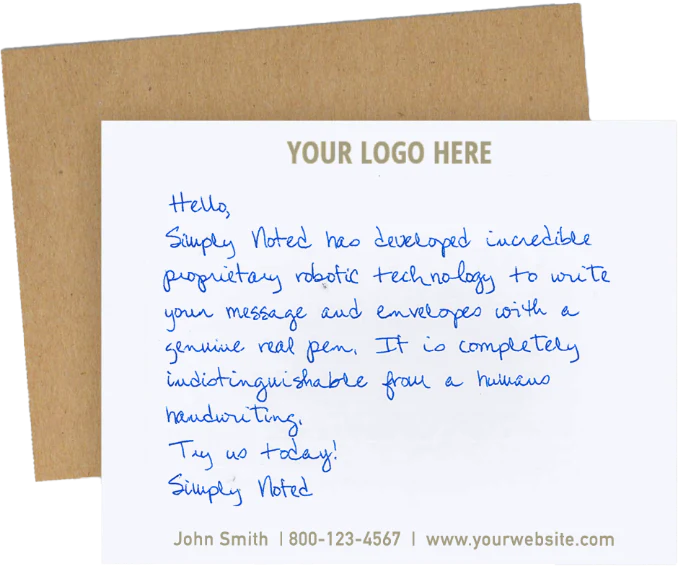
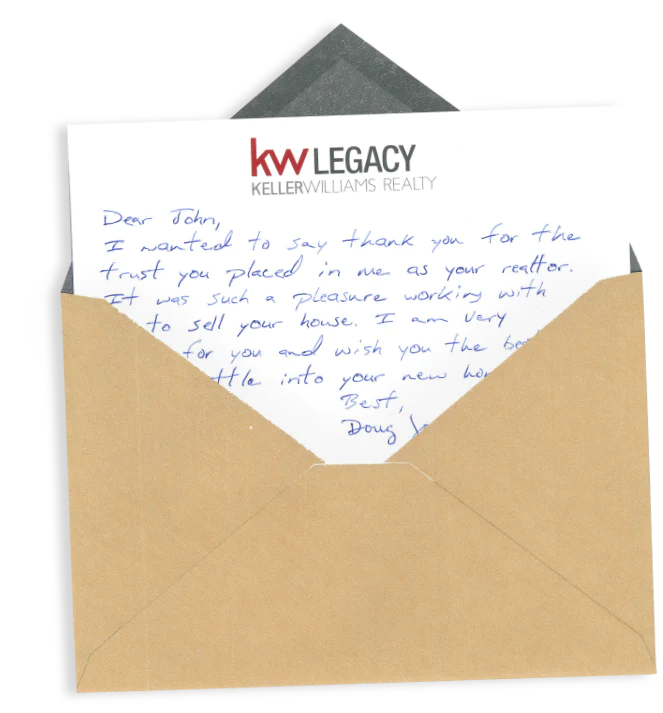
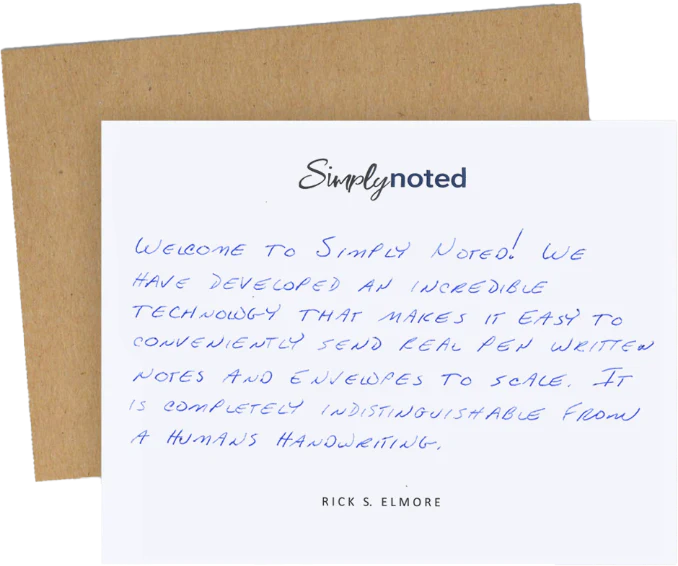
SimplyNoted stands out because it helps people and businesses keep the personal side of handwriting while making the process far more practical. A handwritten letter can create a stronger impression than a typed message, but writing and mailing each one manually takes time. SimplyNoted helps solve that problem.
This makes it easier to use handwritten communication for business correspondence, thank-you notes, personal outreach, and relationship building. Instead of relying only on e mail or standard printed mail, businesses can send messages that feel more thoughtful and more human. That personal touch can improve customer experience and make follow-up feel more genuine.
For anyone who values handwritten letter etiquette but also needs efficiency, SimplyNoted offers a strong balance. It keeps the warmth, care, and effort associated with handwritten communication while helping users handle letters at scale. That makes it a practical solution in the modern world.
Final Thoughts on Handwritten Letter Format
A good handwritten letter format does more than organize words on a page. It helps the writer communicate with clarity, care, and purpose. From the date and greeting to the complimentary close and signature, each part plays an important role in making the message feel complete.
That is why learning how to write a handwritten letter still matters. Whether the letter is formal or personal, the right format helps it feel polished and respectful. It supports good manners, strengthens correspondence, and gives the message a personal quality that typing often cannot match.
In the end, handwritten letters remain valuable because they combine structure with emotion. They carry effort, attention, and human presence. In a world full of fast digital communication, that kind of message still stands out.
Ready to send handwritten letters that feel personal, polished, and memorable? Explore SimplyNoted and make handwritten communication easier for business correspondence, thank-you notes, and meaningful personal outreach.
FAQs
What is the correct handwritten letter format?
The correct handwritten letter format usually includes the date, recipient’s address if applicable, greeting, first paragraph, middle section, closing, complimentary close, and signature. This structure helps the letter feel clear, organized, and respectful.
How do I write a handwritten letter properly?
To write a handwritten letter properly, start with clean paper, a good pen, and a clear message. Add the date, use the right greeting, write neatly, keep enough space between lines, and finish with a polite closing and signature.
What is the difference between a handwritten business letter and a personal letter?
A handwritten business letter is usually more formal. It includes the recipient’s address, professional wording, and a formal closing. A personal letter is more flexible and warm, often written to a friend, family member, or loved ones.
Why does a handwritten letter still matter in the digital age?
A handwritten letter still matters because it adds a personal touch that digital communication often lacks. It shows effort, care, and good manners, making the message feel more meaningful in both business correspondence and personal letters