Handwritten Cards for E-Commerce: Shopify, WooCommerce & More
Simply Noted writes and mails real pen-and-ink cards for businesses. See the handwritten mail API →

How to Send Handwritten Cards for E-Commerce — Shopify, WooCommerce, and Platform Comparison
E-commerce brands often work hard to win the first sale, but standing out after that purchase is much harder. Customers receive endless messages, offers, and follow-ups from every direction. When every store is trying to communicate at once, it becomes difficult to leave a memorable impression that feels personal and worth remembering.
That challenge is made worse by digital noise. Emails are easy to ignore, printed inserts often feel routine, and many post-purchase messages look almost the same. A handwritten card feels different because it slows the interaction down. It gives the customer something physical, thoughtful, and more human than another digital message or printed note in the box.
This is why handwritten cards ecommerce strategies continue to grow in value. Brands can now send handwritten notes at scale through ecommerce integrations, making personalized outreach easier to manage. Instead of choosing between authenticity and efficiency, businesses can combine both. Simply Noted enhances customer relationships through the unique power of authentic handwritten notes.
SEE ALSO: How Do You Say Thank You Meaningfully?
Why Handwritten Cards Matter in E-Commerce
Customer appreciation matters in e-commerce because the buying experience is often fast, transactional, and highly digital. Once the package arrives, many brands stop at the order itself and miss the chance to deepen the relationship. A handwritten card adds a more personal layer that helps customers feel appreciated after the sale, not just processed through a system.
That personal touch can make a major difference in how customers remember the brand. In a digital shopping experience, most communication happens on screens, so something handwritten feels more thoughtful and more real. Handwritten notes and cards help show effort, which supports stronger customer retention, encourages repeat orders, and makes the brand easier to remember later.
They also help create lasting impressions in a way standard inserts often cannot. A simple message can communicate appreciation, warmth, and care without sounding overly promotional. That matters because customer loyalty is often shaped by small moments after purchase. When done well, handwritten cards become part of a stronger post-purchase experience that supports brand memory and repeat business.
What Counts as Handwritten Cards for Ecommerce?
Handwritten cards ecommerce refers to physical messages sent by online stores to customers as part of the purchase experience, retention strategy, or appreciation effort. These can include ecommerce thank you cards, handwritten notes, handwritten letters, postcards, birthday cards, and customer appreciation cards. The goal is to create a message that feels personal and connected to the relationship.
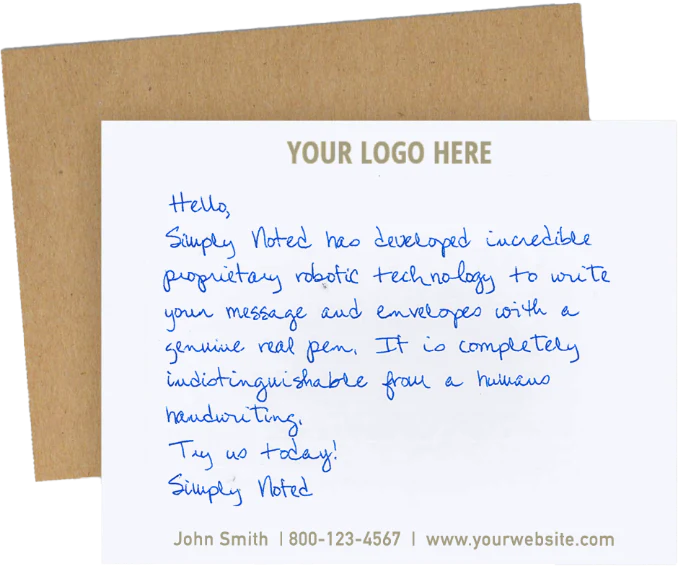
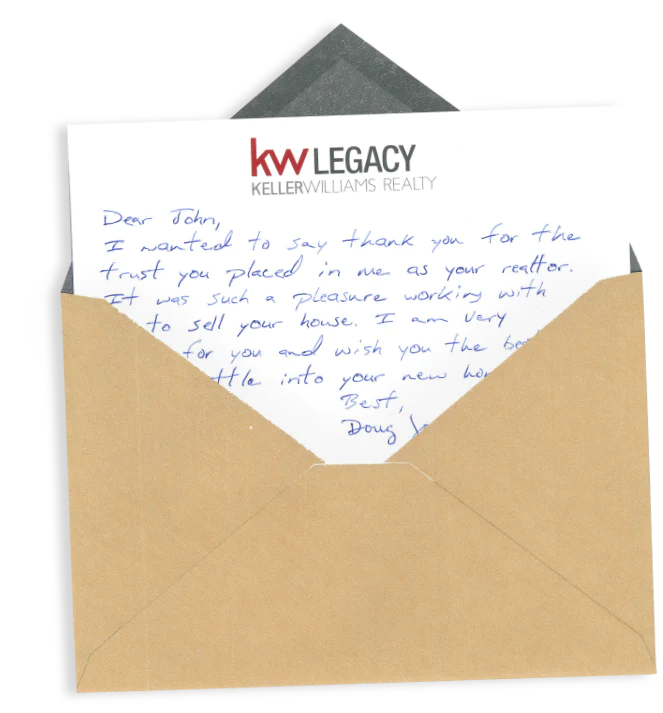
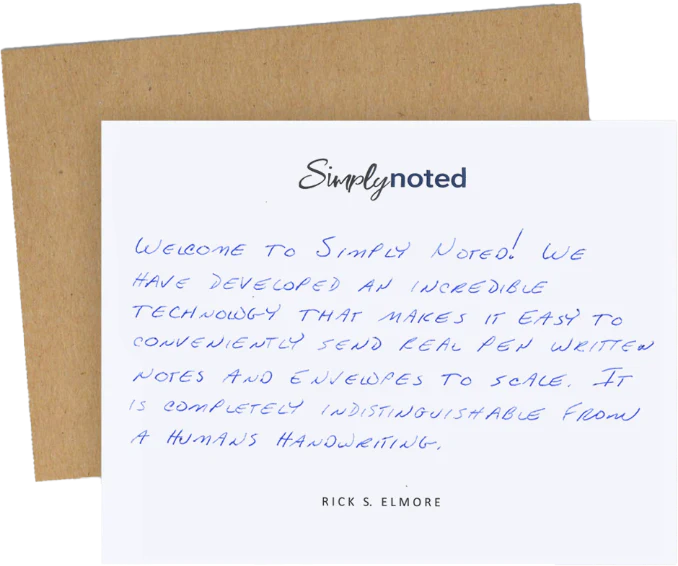
Some services use real pens and real ink to produce a handwritten look and feel, while others use printed formats that imitate handwriting. That difference matters because authenticity often shapes how the card is received. A note written with real ink on paper generally feels more personal than something obviously printed, even when both contain the same words.
There are also many customization choices. Businesses may choose from different handwriting styles, use branded or own stationery, and even request options that reflect their own handwriting look. These details help stores create handwritten notes and cards that match brand tone, customer expectations, and the overall experience they want to deliver after the sale.
Common Ways E-Commerce Brands Use Handwritten Cards
E-commerce brands use handwritten cards in many practical ways across the customer journey. A thank-you after purchase is one of the most common examples because it helps reinforce appreciation at the moment customers are most engaged. VIP order follow-up is another strong use case, especially when the business wants to make high-value customers feel recognized and important.
Other brands use handwritten cards for reorder reminders, birthday cards, apology or recovery notes, influencer outreach, affiliate relationship-building, and abandoned customer win-back campaigns. Each of these moments offers a chance to communicate in a more personal way. Instead of relying only on digital reminders, the business can use direct mail to create a stronger and more memorable interaction.
These use cases fit naturally into retention campaigns because they support more than just immediate sales. A handwritten note can strengthen the relationship, build trust, and keep the brand present in a positive way. Whether the goal is appreciation, re-engagement, or loyalty, handwritten cards can help e-commerce brands communicate with more warmth and leave lasting impressions.
Manual vs Automated Handwritten Cards

There are three main ways e-commerce brands usually approach this: writing cards manually, using automated handwritten cards, or relying on printed messages. Each option can work, but they create different outcomes in terms of personal feel, time required, quality, and ability to scale. Choosing the right method depends on the store’s goals, resources, and customer experience priorities.
Some businesses want the charm of manually written cards because they feel deeply personal. Others need a system that can automatically send notes after key purchase events. Some choose printed inserts because they are fast and easy. The best choice depends on how much authenticity the brand wants, how much volume it handles, and how much effort it can manage consistently.
For growing stores, this comparison is important. A truly handwritten approach can feel powerful but create hand cramps and operational strain. Automated systems can save time while keeping a handwritten look. Printed options may be efficient, but they often carry less emotional impact. Understanding these differences helps brands choose a method that fits both their market and workflow.
See Also: Thank You for Your Kind Words: Heartfelt Message Ideas
Writing cards manually
Writing cards manually appeals to brands that want a true handwrite approach and maximum authenticity. A card written by hand with a real pen can feel warm, personal, and highly thoughtful, especially for small batches, special clients, or limited orders where every note matters.
The challenge is that manual writing is hard to maintain at scale. Time, hand cramps, consistency issues, and growing order volume can make it difficult for a business to keep up without sacrificing rest or quality.
Automated handwritten cards
Automated handwritten cards are systems that help businesses create and send notes through workflows tied to customer activity. They are designed to automatically send personalized messages while keeping a handwritten appearance. This makes them useful for stores that want both efficiency and authenticity.
They reduce manual work while still creating a more personal feel than standard printed inserts. For many brands, this balance of quality, scale, and convenience is a game changer for customer appreciation and retention.
Printed cards
Some businesses still use printed cards, inserts, or messages inside packages because they are easy to produce and cost-effective. Printed options can communicate basic appreciation clearly, and they work well when the goal is speed and simplicity rather than a highly personal experience.
The downside is emotional impact. Printed messages often feel less human than handwritten cards. While they can still support communication, they usually do not create the same personal touch or leave lasting impressions as handwritten notes and cards.
How Shopify Stores Can Send Handwritten Cards
Shopify stores can build handwritten card workflows by using apps, integrations, and trigger-based automations connected to the store. This makes Shopify direct mail much more practical than it used to be. Instead of manually checking orders and mailing notes one by one, brands can connect systems that respond automatically to purchase activity and customer events.
For example, a store might send a card after a first purchase, a high-value order, or a repeat order milestone. It can also trigger messages for birthdays, VIP customers, or thank-you follow-ups after meaningful interactions. These order triggers and customer event triggers help make handwritten outreach more timely and more connected to the real customer journey.
The key benefit is that Shopify users can connect apps and automate delivery without losing the personal feel of the card itself. That makes it easier to create campaigns that support appreciation, loyalty, and customer retention. For growing stores, this kind of setup helps save time while making handwritten notes a more practical part of everyday ecommerce communication.
How WooCommerce Stores Can Send Handwritten Notes
WooCommerce handwritten notes usually work through plugin connections, third-party platforms, or direct integrations built around WordPress workflows. Because WooCommerce is flexible, store owners often have more control over how the system is set up. They can connect their store, upload contacts, and build mailing actions around purchase behavior, customer groups, or specific order milestones.
This flexibility can be useful for brands that want more customization in how they manage handwritten outreach. For example, a WooCommerce store might trigger mail after a completed purchase, after a customer reaches a certain spend threshold, or after a long gap in activity. These workflows help turn handwritten notes into a repeatable part of the post-purchase experience.
Compared with some other ecommerce systems, WooCommerce can feel more open-ended because it sits inside a broader WordPress environment. That can be a strength for store owners who want more control over tools, page flows, and plugin choices. For brands comfortable with WordPress, WooCommerce handwritten notes can be an effective way to integrate direct mail into ongoing retention and appreciation campaigns.
What to Look for in a Handwritten Card Platform

Choosing the right platform starts with the basics of quality and authenticity. Businesses should look for real ink, real pens, good paper, solid envelopes, and postage options that support the kind of experience they want to create. Features like real stamps, first class stamps, and class postage choices can also matter when the goal is to make the card feel more personal and premium.
Customization is another major factor. A strong platform should support different handwriting styles, branded or own stationery options, personalized messages, and flexible templates. It should also integrate with store systems so businesses can connect purchase events and customer activity to note delivery. This helps create handwritten cards that feel specific to the recipient instead of generic or mass-produced.
Ease of use matters just as much as the final result. Businesses should review setup simplicity, cost, delivery speed, sample requests, template creation, and how easy it is to connect the app or platform to the store. The right service should help the brand save time, manage campaigns efficiently, and send high-quality notes and cards without making the workflow too manual or complicated.
See Also: Automated Birthday Cards That Still Feel Personal
Platform Comparison: Shopify, WooCommerce, and Standalone Services
E-commerce brands usually choose between three main approaches when sending handwritten cards. The first is a native ecommerce workflow built directly around the store. The second is a WooCommerce or Shopify connected tool that integrates with order events. The third is a standalone direct mail platform that works independently and often uses upload-and-send functionality for campaigns.
Each option has strengths and weaknesses. Native workflows can feel simple and connected, but they may offer fewer customization options. WooCommerce and Shopify connected tools are useful when brands want stronger automation and event-based triggers. Standalone services can be flexible and easy to use, especially for batches or custom campaigns, but they may require more manual coordination if deep integration is not available.
A store may want deep integration when handwritten outreach needs to react automatically to purchases, birthdays, loyalty milestones, or reorder timing. A simple upload-and-send option may work better when the business wants more control over one-off campaigns, special client lists, or seasonal appreciation efforts. The best choice depends on how the store wants to connect handwritten cards to its broader workflow.
Benefits of Sending Handwritten Cards at Scale
Scale matters because growing ecommerce brands cannot always handwrite every card manually without slowing down operations. As order volume increases, customer appreciation can become inconsistent if the process depends too heavily on internal effort. Systems that automatically send cards through saved templates and campaign workflows make it easier to stay consistent while still creating a personal experience for customers.
That consistency can help businesses save time without losing the warmth that makes handwritten outreach effective. Instead of writing every card one by one, teams can build repeatable workflows for thank-you notes, reorder reminders, birthdays, or VIP follow-up. This allows brands to keep the personal touch while managing a larger number of recipients more efficiently.
For many stores, this can be a game changer. Sending handwritten cards at scale supports appreciation, retention, and stronger customer relationships without creating unnecessary strain on the team. It helps businesses leave lasting impressions while staying practical. As brands grow, the ability to scale customer appreciation without losing authenticity becomes a real advantage in the market.
Challenges and Costs to Consider
There are several practical concerns brands should think through before launching handwritten card campaigns. Cost per card, postage, stationery, quality control, delivery timing, and setup effort all affect the total investment. Even when the message is simple, the materials, mailing process, and workflow decisions can shape both the cost and the final experience for the recipient.
Cheaper options may look attractive at first, but they can sacrifice authenticity, presentation, or consistency. A lower-cost card that feels obviously printed or poorly executed may not create the same personal impact. Quality matters because the card is part of the brand experience. If the message arrives late, looks generic, or lacks care, the result may weaken instead of strengthen the relationship.
That is why brands should weigh cost against customer experience and lasting impression. A more thoughtful card may cost more, but it can also create stronger loyalty and better retention. The right question is not only how much the campaign costs. It is whether the note helps the brand communicate appreciation in a way that feels valuable, memorable, and aligned with the customer relationship.
Best Practices for Ecommerce Thank You Cards and Customer Appreciation
The best ecommerce thank you cards are short, personal, and well-timed. A clear message with genuine appreciation often works better than a long note with too much detail. Brands should personalize when possible, match the message to their tone, and choose moments that feel natural, such as after a first purchase, a repeat order, or a milestone interaction with the customer.
It is also important to avoid sounding too promotional. The card should feel like appreciation first, not another sales message hidden in stationery. When businesses keep the tone warm and sincere, the note feels more authentic. Timely delivery also matters because a handwritten card creates more impact when it arrives close to the event or purchase it refers to.
This works across many industries. Ecommerce brands can use thank-you cards after orders, home product companies can follow up after premium purchases, and beauty or gift brands can send birthday notes or loyalty messages. In every case, e-commerce customer appreciation works best as a relationship strategy. The message should make customers feel valued, not simply marketed to after checkout.
Why Simply Noted Is a Strong Option for Ecommerce Brands

Simply Noted is a practical option for ecommerce brands that want authentic handwritten outreach without handling everything manually. It helps stores bring a personal touch into their post-purchase communication while making the process more manageable. That matters for businesses that want to strengthen customer relationships but also need efficiency, consistency, and the ability to work at scale.
Its value comes from balancing personal presentation with operational ease. Brands can use it for thank-you cards, appreciation campaigns, and retention efforts without giving up authenticity. That makes it useful for stores that want handwritten outreach to feel natural and high quality rather than generic. It supports a more polished experience while still helping businesses stay efficient as order volume grows.
This makes the platform especially relevant for modern ecommerce. Simply Noted enhances customer relationships through the unique power of authentic handwritten notes. For brands that want handwritten cards to support appreciation, retention, and long-term loyalty, it offers a practical path between manual writing and impersonal automation, helping businesses keep the human element while scaling communication.
SEE ALSO: How To Write Thank You Letters to Your Customers
Final Thoughts on Choosing the Right Handwritten Card Solution
Each solution offers something different. Manual writing is highly personal and can feel special, but it becomes difficult to maintain as order volume grows. Automated handwritten cards offer a more balanced option because they help brands combine authenticity with efficiency. Printed messages remain useful in some cases, but they usually do not create the same emotional impact as handwritten cards.
The right platform depends on the store’s size, workflow, budget, and customer experience goals. Some businesses need deep integration with Shopify or WooCommerce so notes can be triggered automatically by customer events. Others may prefer a simpler upload-and-send workflow for occasional campaigns. The best choice is the one that fits daily operations while still helping the brand communicate in a personal way.
What matters most is the relationship the card helps create. In a crowded ecommerce market, handwritten outreach can leave lasting impressions and make customers feel genuinely appreciated. When businesses choose the right handwritten card solution, they do more than send mail. They build stronger connections that support loyalty, repeat purchases, and a more memorable brand experience.
FAQs :
Are handwritten cards worth it for ecommerce brands?
Yes, they are often worth it. Handwritten cards help ecommerce brands stand out, show appreciation, and support retention after the sale. In a crowded market, that personal touch can feel special. When customers feel lucky to receive something thoughtful, they are more likely to remember the brand.
Can Shopify stores automate handwritten cards?
Yes, Shopify stores can automate handwritten cards through integrations and trigger-based workflows. A store can connect an app, customize the message, and send cards after events like first purchases or repeat orders. This helps brands save time, reduce manual work, and manage appreciation campaigns more efficiently.
What is the difference between automated handwritten cards and printed cards?
Automated handwritten cards are designed to feel more personal and authentic, while printed cards usually look more standard and less emotional. Handwritten options often create stronger impact because they feel thoughtful. Printed cards may be faster or cheaper, but they rarely express the same warmth or leave the same impression.
Can WooCommerce stores send handwritten notes automatically?
Yes, WooCommerce stores can send handwritten notes automatically by using integrations or connected platforms. Store owners can link purchase activity to mail triggers, customize templates, and control how messages are delivered. With the right setup, businesses can create a smoother workflow without losing the personal feel customers appreciate.