15 Polished Thank You for Your Time Email Examples for Professional Use
Simply Noted writes and mails real pen-and-ink cards for businesses. See handwritten thank you cards →
Thank You for Your Time Email: Why It Still Matters Today?
A thank you for your time email may feel simple, but it carries more weight than most people realise. In professional settings, it shows respect for someone’s busy schedule and acknowledges the effort they made to meet, listen, or review your information.
Whether sent after a job interview, a business meeting, or a discussion with a customer, a well-written thank you email helps leave a lasting impression. It signals professionalism, awareness, and courtesy. These small signals matter, especially when decisions are being made between candidates, partners, or service providers.
Athoughtful thank you emailalso helps reinforce a positive relationship. It keeps communication open, supports professional etiquette, and shows that you value the conversation—not just the outcome. In many cases, it becomes an essential part of moving forward, not just a polite extra.
15 POLISHED THANK YOU FOR YOUR TIME EMAIL EXAMPLES FOR PROFESSIONAL USE
1. Thank You Email After a Job Interview
Thank you for taking the time to speak with me today. I enjoyed learning more about the role and the team, and our conversation further strengthened my interest in the position. I look forward to what comes next.
2. Thank You Email to a Hiring Manager
Thank you for meeting with me and sharing your perspective on the role and the company’s direction. I appreciate the time and consideration you gave during our discussion.
3. Thank You Email After a First Interview
Thank you for meeting with me and explaining the role in more detail. I appreciated the opportunity to ask questions and learn more about how the position fits within the team. SEE ALSO: How To Write A Thank You Note After An Interview
4. Thank You Email After a Panel Interview
Thank you all for your time and the thoughtful discussion. I valued hearing different viewpoints and gaining a clearer understanding of how the team collaborates.
5. Thank You Email After a Business Meeting
Thank you for meeting with me today. I appreciated the productive discussion and the clarity you provided regarding the next steps for the project.
6. Thank You Email After Discussing a Specific Project
Thank you for your time and for walking me through the project details. The conversation was helpful, and I look forward to contributing where I can.
7. Thank You Email to a Team Member
Thank you for taking the time to explain the process so clearly. I appreciated your guidance, and the conversation was extremely helpful.
8. Thank You Email to a Manager
Thank you for your time and feedback today. I appreciate your support and the opportunity to align on priorities and next steps.
9. Thank You Email After a Client Call
Thank you for taking the time to speak with me today. I appreciated learning more about your goals and discussing how we can move forward together.
10. Thank You Email to a Customer
Thank you for your time and for sharing your experience. Your feedback is greatly appreciated, and I’m glad we had the chance to connect.
11. Thank You Email After an Informational Interview
Thank you for taking the time to speak with me. I appreciated your insights and the advice you shared about the industry and your experience.
12. Thank You Email After a Networking Conversation
Thank you for your time and for the engaging conversation. I enjoyed connecting and appreciate you sharing your perspective and experience.
13. Thank You Email After a Second Interview
Thank you again for your time and continued consideration. I appreciated the deeper discussion and learning more about the role and the team.
14. Short and Polite Thank You Email
Thank you for your time today. I appreciated the conversation and look forward to staying in touch.
15. Formal Thank You Email
Thank you for taking the time to meet with me. I sincerely appreciate the opportunity to discuss the role and your thoughtful consideration.
EXPRESS GRATITUDE WITHOUT SOUNDING GENERIC

Expressing gratitude sounds easy, yet many emails feel rushed or forgettable. A generic message can come across as routine rather than sincere. The goal is to express gratitude in a way that feels intentional, even when the message is brief.
One effective approach is to reference the time spent together or the discussion itself. Mentioning the meeting, the conversation, or the effort someone made helps the message feel personal without becoming informal. This small detail often makes the difference between a message that is skimmed and one that is appreciated.
Keeping the language professional while adding a personal touch helps maintain respect and clarity. Gratitude does not need to be elaborate. It just needs to feel genuine.
SINCERE GRATITUDE VS. FORMAL POLITENESS
There is an important difference between sincere gratitude and simple politeness. Both have a place, but choosing the right tone depends on context.
A formal email is often appropriate when writing to a hiring manager, manager, or senior contact. It maintains structure, clarity, and professionalism. Sincere gratitude, on the other hand, focuses more on appreciation and connection, while still remaining respectful.
The best thank you emails balance both. They acknowledge the person’s time, show appreciation for the opportunity, and keep the message professional. When done well, this balance helps build trust, supports strong relationships, and leaves the recipient with a positive impression.
SUBJECT LINE: SET THE RIGHT TONE FROM THE START
The subject line is the first thing the recipient sees, and it quietly sets expectations for the entire message. A clear, polite subject line signals professionalism and respect before the email is even opened.
For a thank you for your time email, the best subject lines are simple and direct. They let the recipient know why you are writing without sounding promotional or vague. This is especially important when someone is managing a busy schedule and scanning their inbox quickly.
Including a brief reference to the meeting, interview, or conversation can help provide context. Overly creative or casual subject lines often work against the message. The goal is clarity, not cleverness. When the subject line is straightforward, the email feels intentional and respectful from the very beginning.
THANK YOU EMAIL AFTER A JOB INTERVIEW

A thank you email after a job interview is more than a polite follow-up. It reinforces your interest in the role and reminds the hiring manager why the conversation mattered. In competitive hiring processes, this message can quietly influence how you are remembered.
A strong interview thank you email acknowledges the time spent, references the job title, and briefly reflects on the discussion. Mentioning a specific part of the conversation or a topic that stood out helps show engagement and attention to detail.
It is also an opportunity to express enthusiasm without pressure. A short note that reflects genuine interest and confidence can help you feel confident moving forward, even while waiting for a response. The tone should remain professional, appreciative, and focused on the opportunity rather than the outcome.
SHOWING GENUINE APPRECIATION WITHOUT OVERDOING IT
Genuine appreciation feels natural. Overdoing it does not. The challenge is to express deep appreciation while keeping the message professional and easy to read.
Simple language often works best. Thanking someone for their time today, acknowledging their efforts, or appreciating the insights they shared can be enough. Long explanations or repeated expressions of gratitude may dilute the message rather than strengthen it.
When appreciation is clear and measured, it feels sincere. The recipient understands the intent without feeling overwhelmed. A well-balanced thank you email shows respect, professionalism, and awareness all without sounding forced.
THANK YOU EMAIL FOR MEETINGS, PROJECTS, AND BUSINESS DISCUSSIONS
A thank you email is just as important after meetings and business discussions as it is after interviews. It acknowledges the time and effort someone invested, whether the conversation involved a specific project, a client need, or future collaboration.
Referencing the meeting helps anchor the message. Mentioning a key detail from the discussion or a next step shows attention and reinforces a positive relationship. This approach works well when writing to a manager, team member, customer, or external partner.
In business settings, appreciation also supports momentum. A short note that thanks someone for meeting, recognises their input, and looks forward to next steps helps keep communication open and professional. It signals respect while keeping things moving forward.
PROFESSIONAL THANK YOU EMAIL TEMPLATES (SHORT & LONG)
Email templates are helpful, especially when time is limited. They provide structure while ensuring the message remains polite and professional. Still, the best templates allow room for a personal touch.
A short professional message works well when the interaction was brief or informal. A longer thank you email is more suitable after interviews, detailed meetings, or project discussions. In both cases, the goal is clarity, appreciation, and professionalism.
Templates should guide the writing, not replace it. Adding one or two specific details—such as the conversation topic or shared interest—helps the message feel genuine rather than copied. When used correctly, templates save time while still expressing gratitude effectively.
FOLLOWING UP THE RIGHT WAY
A follow up email often goes hand in hand with a thank you for your time email, but the purpose is slightly different. The thank you focuses on appreciation. The follow-up focuses on continuity.
Timing matters. Sending a follow-up too soon can feel rushed, while waiting too long may cause the message to be forgotten. The best approach is polite, brief, and relevant. Restating interest, confirming next steps, or offering additional information keeps the conversation active without pressure.
Handled correctly, follow-ups strengthen professional communication. They show reliability, interest, and respect—qualities that support strong relationships over time.
ADDING A PERSONAL TOUCH THAT FEELS NATURAL
A personal touch is what separates a polite email from a memorable one. It does not require extra length or informal language. Often, it is as simple as referencing a moment from the conversation or acknowledging someone’s efforts.
Mentioning a shared discussion point, a helpful insight, or a specific project makes the message feel intentional. It shows that the email was written for that person, not copied and reused. This small detail often strengthens the positive relationship and reinforces genuine appreciation.
The key is restraint. Too much personalization can feel forced. A brief, relevant detail keeps the message professional while still feeling human.
STRONG CLOSING STATEMENTS AND SIGN-OFFS
The closing statement leaves the final impression. It should reinforce gratitude, professionalism, and openness to future communication without repeating the entire message.
A strong closing often looks forward. Phrases that reference moving forward, staying in touch, or continuing the conversation help the email end on a confident, respectful note. This is especially effective after interviews, meetings, or business discussions.
The sign off should match the tone of the email. Options like Best regards or Warm wishes remain professional while still friendly. Consistency matters. When the closing aligns with the rest of the message, the email feels complete and polished.
CONTACT INFORMATION: WHAT TO INCLUDE AND WHAT TO SKIP
Including contact information makes it easy for the recipient to respond or follow up. In most professional messages, a simple email signature is enough. Full details help avoid unnecessary back-and-forth.
Repeating contact details within the body of the message is usually unnecessary unless you are offering assistance or inviting further discussion. Keeping this section clean and uncluttered supports professional writing and readability.
Clear contact information signals openness and reliability. It shows that you are available, prepared, and respectful of the recipient’s time.
THANK YOU EMAILS AS AN ESSENTIAL PART OF PROFESSIONAL WRITING
Thank you emails are an essential part of professional writing, even though they are often overlooked. They serve as a simple yet effective way to acknowledge time, effort, and communication in professional settings.
In business, customer interactions, interviews, and team discussions, gratitude helps build strong relationships. A well-written message shows awareness, respect, and emotional intelligence. It also reflects positively on the person sending it, reinforcing professionalism without appearing transactional.
Over time, consistent appreciation becomes a powerful tool. It supports trust, improves communication, and strengthens professional connections in a way that formal requests or follow-ups alone cannot.
Final Examples: Polite, Professional, and Effective
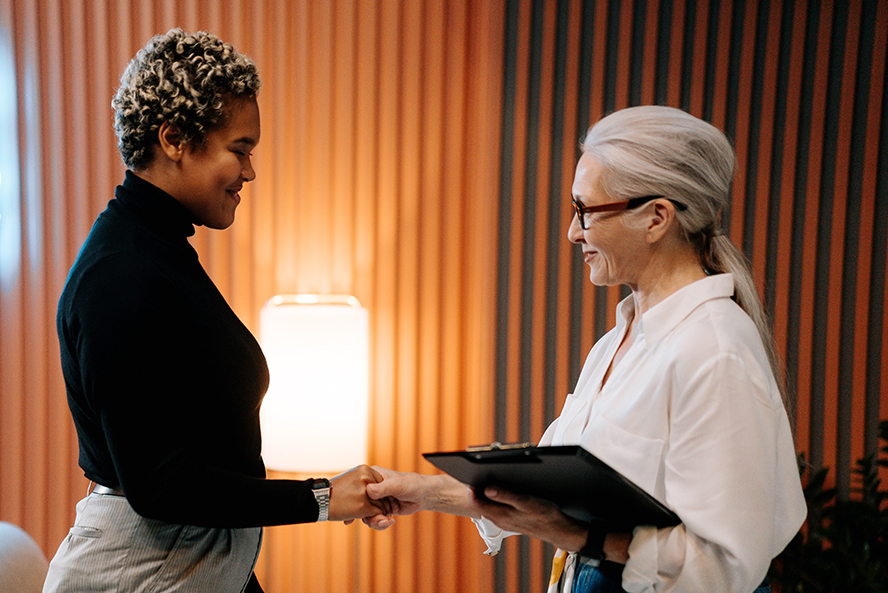
Below are a few examples that show how a thank you for your time email can adapt to different situations while remaining clear and respectful.
One example may focus on thanking a hiring manager after an interview, briefly mentioning the role and the conversation. Another may acknowledge a customer or colleague for a productive discussion or shared project. Each message stays concise, professional, and appreciative.
These examples work because they balance gratitude with clarity. They respect the recipient’s time while still expressing genuine appreciation and interest.
See Also: Not Sure the Best Way to Sign That Handwritten Card? Here’s Advice for Every Occasion!
MOVING FORWARD WITH CONFIDENCE
Writing a thank you for your time email does not require perfection. It requires clarity, sincerity, and respect. When written thoughtfully, these messages help create positive impressions and maintain strong professional relationships.
By focusing on gratitude, professionalism, and personal relevance, each email becomes more than a routine task. It becomes a meaningful part of professional communication.
Approach each message with confidence. A simple note of appreciation, written well, can leave a lasting impression and support future opportunities.