Thank You for Your Kind Words: Heartfelt Message Ideas
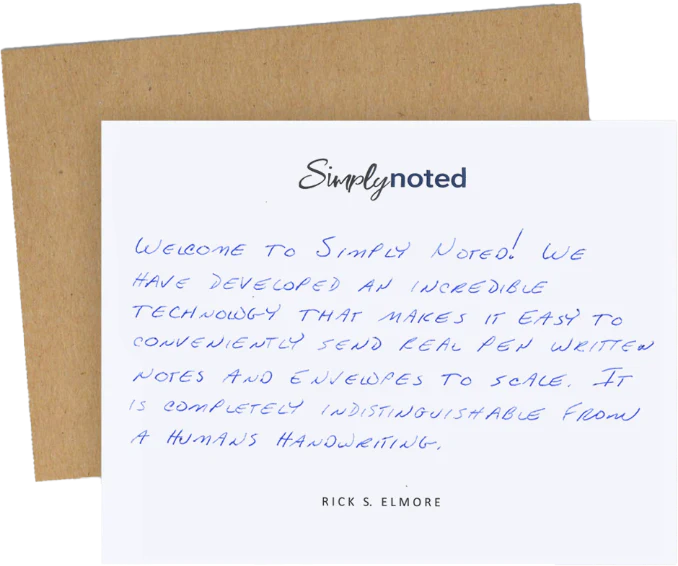
Simply Noted writes and mails real pen-and-ink cards for businesses. See handwritten thank you cards →

In a fast-moving world, simple words can leave a lasting impact. A kind message, a thoughtful compliment, or a warm note of encouragement can completely change someone’s day. That is why saying thank you for your kind words is more than just a polite response.
It is a meaningful way to express gratitude, strengthen a relationship, and show genuine appreciationfor the kindness we receive from another person.
Whether the message comes from a family member, partner, colleague, boss, or one of your best friends, acknowledging kindness matters. During a difficult time, supportive language can bring hope, comfort, and a sense of peace. On a happy occasion, kind words can add a big smile and make the moment even more special. In every part of life, gratitude helps us stay connected to the people who matter most.
SEE ALSO: How Do You Say Thank You Meaningfully?
Why “Thank You for Your Kind Words” Matters
The phrase thank you for your kind words carries emotional weight because it helps you acknowledge another person’s care, support, and understanding. When someone takes the time to share positive feedback, offer encouraging advice, or send a heartfelt message, responding with gratitude shows that their effort was noticed and deeply appreciated.
A small phrase can make a huge difference. It tells the other person that their kindness had value. It reminds them that their encouragement, compassion, and energy reached you in a real and important way. In many situations, hearing thoughtful words can help someone move forward with more confidence, more peace, and more strength.
This is especially true in a specific situation where emotions are high. For example, if someone supports you after loss, stress, or personal struggle, their kindness can feel like a blessing. Saying thank you so much or many thanks can become a sincere way to honor their care and the role they played in helping you through the experience.
The Power of Kind Words in Everyday Life
We often underestimate the ability of kind words to change someone’s perspective. A sincere compliment, a supportive conversation, or simple recognition of someone’s hard work can brighten the day and bring a genuine smile. It may seem small, but a kind phrase can create a lasting emotional impact.
In personal relationships, gratitude builds trust and deepens friendship. A message from friends, family, or a loved one can make us feel seen, valued, and understood. In professional settings, thanking a colleague or boss for their thoughtful words can strengthen mutual respect and improve communication. In romantic relationships, a grateful reply to a caring partner can nurture closeness and emotional intimacy.
Sometimes, it is not about a grand gesture. Even a short note can make a difference. When someone reaches out with support, appreciation, or hope, taking the time to responding with gratitude shows emotional maturity and sincerity.
When to Say Thank You for Your Kind Words
There are many moments when this phrase feels especially relevant. You can write it after receiving a supportive text, a sympathy card, a social media comment, or a personal letter. It is also perfect after receiving praise for your hard work, recognition for an achievement, or comfort during a challenging season.
For example, imagine a family member checking in on you during a difficult time. Their message may not solve everything, but it may bring comfort when you need it most. A heartfelt reply such as “Thank you for your kind words. Your support means so much to me” can show how much their care mattered.
Or perhaps a colleague or boss offers positive feedback after a demanding project. Instead of a quick and generic answer, you can say, “Thank you for your kind words and recognition. I truly appreciate your support and encouragement.” This kind of reply sounds professional, warm, and sincere.
How to Express Gratitude in a Meaningful Way
If you want your message to feel more personal, focus on honesty. The best gratitude comes from the heart. You do not need a complicated speech. A short and thoughtful message often works best.
To express gratitude well, mention what touched you and why it mattered. That makes your message feel authentic. For example:
“Thank you for your kind words. They gave me hope when I needed it most.”
“I am so grateful for your support and understanding.”
“Your encouragement made a huge difference to me.”
“Thank you so much for taking the time to send such a thoughtful message.”
“Your kindness and compassion brought a real sense of comfort.”
Each example shows appreciation in a clear and heartfelt way. It also helps the other person understand the impact of their words.
See Also: Wishing You Peace and Strength for Difficult Times
Gratitude Beyond Words: Gifts, Gestures, and Thoughtfulness

Sometimes gratitude is inspired not only by kind language, but also by a thoughtful gift or a kind gesture. A handwritten note, flowers, or a surprise package can feel like the perfect gift during a happy celebration or a painful season. In such moments, combining thanks for both the action and the sentiment is especially powerful.
You might say, “Thank you for your kind words and thoughtful gift. Your generosity and kindness mean more than I can explain.” This response honors both the emotional support and the effort behind the gift.
Whether the gesture comes from friends, family, a partner, or a colleague, taking time to show appreciation reinforces the connection. It reminds people that even small acts of care can make a big impact in the real world.
Why Gratitude Strengthens Relationships

Every healthy relationship grows through respect, communication, and appreciation. When you make gratitude a habit, you create stronger emotional bonds with others. Saying thank you is not just good manners. It is a way of telling someone, “I see your kindness, and I value you.”
This matters in every area of life. Between best friends, gratitude deepens loyalty and warmth. In family relationships, it encourages closeness and emotional safety. With a loved one, gratitude can keep love feeling fresh and mutual. In the workplace, thanking a boss or colleague can improve teamwork and morale.
Even when something goes wrong, gratitude can help protect the relationship. If someone tries to help, offers sincere advice, or reaches out with care, acknowledging their effort matters. You may not always have the perfect answer, but a thankful response shows grace and maturity.
See Also: Happy Thanksgiving Wishes, Messages & Quotes
Simple Ways to Write a Better Thank-You Message
If you are unsure what to say, keep it personal and direct. Start with the phrase itself: thank you for your kind words. Then add a sentence about why the message mattered. Mention the support, encouragement, or comfort it gave you. End with warmth and sincerity.
Here is a useful structure:
Start with gratitude
Mention the impact
Add a personal touch
End with warmth
For instance:
“Thank you for your kind words. Your message brought me comfort and made me feel truly supported. I am lucky to have such thoughtful people in my life.”
This kind of message sounds natural, not forced. It fits many situations and helps your gratitude feel real.
See Also: 15 WAYS TO SAY THANK YOU FOR YOUR HOSPITALITY | A THOUGHTFUL GUIDE
Final Thoughts on Thank You for Your Kind Words

At its core, thank you for your kind words is a simple but powerful phrase. It reflects heartfelt gratitude, emotional awareness, and sincere appreciation. It can bring people closer, heal emotional distance, and create moments of genuine connection.
In a busy world, kindness should never go unnoticed. When someone offers support, compassion, or encouraging words, taking a moment to say thank you can make all the difference. It can put a smile on someone’s face, strengthen a valuable bond, and remind both people of the beauty of human connection.
So the next time someone sends a thoughtful message, offers support during a difficult time, or shares positive and uplifting words, do not let the moment pass. Write back with gratitude. Express your appreciation clearly. Let them hear how much their kindness mattered.
Make your appreciation even more memorable with a thoughtful card from the Cactus Thank You collection and turn simple gratitude into something personal and lasting.
FAQs
How do you say thank you for kind words in a meaningful way?
A meaningful reply should feel personal and sincere. You can say, “ Thank you for taking the time to send such kind words. I am truly glad for your support.” This works well because it shows appreciation while also acknowledging the effort and thinking behind the message. Even a short response can be helpful in building stronger relationships.
When should you use the phrase “thank you for your kind words”?
This phrase can be used in many situations. It fits personal messages from friends, a family member, a colleague, or a boss. It also works when something important or unexpected does happen, such as receiving support during a hard time, praise for your work, or encouragement on a special occasion. It is a simple yet wonderful way to express gratitude.
Can “thank you for your kind words” be used in professional settings?
Yes, it is very suitable for professional communication. If a manager or teammate gives positive feedback, saying “thank you for your kind words” sounds respectful and polished. You can also expand it by mentioning how helpful their feedback was or how much you appreciate all the ways they supported you. This creates a more genuine and professional response.
How can kind words make a difference in daily life?
Kind words can lift someone’s mood, bring comfort, and create a stronger sense of connection. They can turn an ordinary moment into something amazing, bring a little fun into a stressful day, or remind a person that they are valued. That is why replying with gratitude matters. It shows you noticed the kindness and that their words had a real impact.