Handwritten Postcards vs. Letters vs. Cards: Which Format Wins?
Simply Noted writes and mails real pen-and-ink cards for businesses. See handwritten direct mail →

Handwritten Postcards vs. Handwritten Letters vs. Handwritten Cards — Which Format Wins?
Most businesses still lean on digital messages when they want to reach customers. Email is fast, social media is constant, and automation is everywhere. But in a world full of digital noise, many brands are starting to see the value of handwritten notes again, especially when they want to create a more personal connection and leave lasting impressions.
That raises an important question. Should you send handwritten postcards, handwritten letters, or handwritten cards? Each format has a different role in direct mail. The best choice depends on your message, your recipient, your business goals, and the kind of response you want from your campaign.
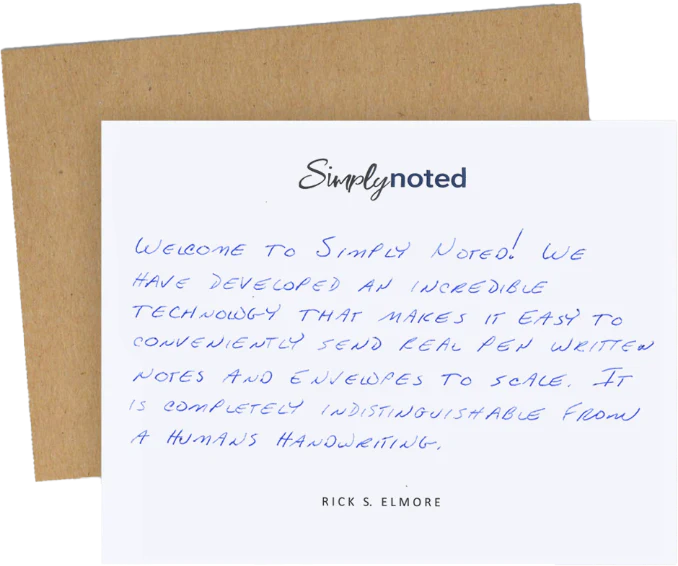
At Simply Noted, brands can create handwritten notes that feel authentic, personal, and scalable. With real ink, real pens, and real stamps, Simply Noted helps companies send mail that stands out. Whether you want business postcards, birthday cards, or a complete direct mail solution, choosing the right format can be a game changer for customer relationships, sales, and loyalty.
SEE ALSO: How to Send Bulk Handwritten Cards Online
Why Format Matters in Handwritten Direct Mail
The format you choose affects how your message feels the moment it arrives. A postcard is open and immediate. A letter feels more private and thoughtful. A handwritten card often feels warm, personal, and designed for appreciation. Even before the recipient reads a single word, the format shapes expectations.
This matters because direct mail is not only about delivery. It is about experience. In a crowded market, format can influence response rates, how much attention your note gets, and whether your brand feels premium, thoughtful, or forgettable. The difference between postcards, letters, and cards is not only visual. It changes the message itself.
For businesses that want to connect in a more human way, handwritten mail adds authenticity that printed pieces often miss. Instead of adding to digital noise, it gives customers something tangible. That personal touch can help businesses create stronger emotional impact, better brand recall, and more meaningful engagement with clients and leads.
What Are Handwritten Postcards?
Handwritten postcards are one of the most efficient forms of direct mail. They are short, visible, and easy for the recipient to read right away. There is no envelope to open, no extra barrier, and no delay. That makes handwritten postcards a strong option when businesses want a message to arrive clearly and quickly.
They are especially useful for promotions, reminders, thank-you outreach, follow-ups, and direct response campaigns. A postcard can help a business share a quick message while still feeling personal. When written in real ink with real pens and mailed with real stamps, the postcard feels more authentic than a printed mailer or generic business postcard.
For growing teams, postcards can also be easier to scale. A handwritten postcard service can help companies automatically send outreach without sacrificing the human feel. That is why many brands use postcards for lead generation, customer appreciation, and ongoing campaigns where speed, visibility, and cost all matter.
Why Handwritten Postcards Stand Out
Handwritten postcards stand out because the message is instantly visible. The recipient does not need to open anything, which can help the note get read faster and reduce friction in direct mail campaigns.
They also feel more personal than many printed postcards. With real handwriting, real ink, and thoughtful wording, postcards can create quick but memorable contact that helps a business connect with customers.
When Postcards Work Best
Postcards work best when the message is short, direct, and easy to understand. They are ideal for follow-ups, promotions, appointment reminders, and simple appreciation outreach that does not need a long explanation.
They also work well when businesses want to send at volume. For many companies, postcards offer a practical balance of cost, speed, and personal touch.
What Are Handwritten Letters?
Handwritten letters feel more private and more detailed than postcards. Because they arrive in envelopes, they create a sense of importance before the recipient even reads the note. A letter usually suggests that the message inside is more personal, more substantial, or more meaningful than standard direct mail.
This format is often best when the message needs more space. Letters are useful for personal outreach, relationship building, special follow-ups, and moments where a business wants to slow down and communicate with extra care. They are also strong when the goal is to build trust with clients or high-value leads.
The tradeoff is that letters usually take more effort, more stationery, and more cost. They can still scale with the right service, but they are often less efficient than handwritten postcards for broad campaigns. Still, when a business wants depth, privacy, and a stronger emotional tone, handwritten letters can be the winning format.
Why Letters Feel More Personal
Letters often feel more thoughtful because they require an extra step to open and read. That process can make the message seem more intentional and more important to the recipient.
They also allow more room to write. This makes letters a strong choice when businesses want to explain, thank, reconnect, or build deeper relationships through handwritten notes.
When Letters Work Best
Letters work best when you need more space for your message. They fit high-value outreach, heartfelt appreciation, donor communication, and sensitive business conversations that need a personal format.
They are also helpful when privacy matters. If the note should not be visible in the mail, letters offer more discretion than postcards.
What Are Handwritten Cards?

Handwritten cards sit between postcards and letters in a very useful way. They are more polished than postcards and often warmer than letters. A handwritten card feels intentional, thoughtful, and often emotional, which makes it ideal for appreciation, celebration, and relationship-building moments.
This is why businesses often use handwritten cards for birthday cards, thank-you messages, holiday outreach, welcome notes, and milestone recognition. A card creates space for a short but meaningful note without requiring the longer format of a letter. It also gives the brand a chance to personalize the experience while keeping the message clean and focused.
For many companies, handwritten cards are the safest all-purpose format. They work across industries, support a premium brand image, and help create messages that feel authentic rather than transactional. When businesses want a balance of presentation, flexibility, and personal touch, handwritten cards often perform extremely well.
SEE ALSO: Handwritten Direct Mail Samples You Can Use Today
Why Cards Feel Warm and Memorable
Cards naturally feel more personal because people associate them with meaningful moments. A birthday, a thank-you, or a celebration note often feels more appropriate in a card than in a postcard.
That emotional fit matters. It helps handwritten cards create warmth, appreciation, and a stronger sense of care in the customer relationship.
When Cards Work Best
Cards work best for appreciation and milestone outreach. They are ideal for customer thank-yous, birthday cards, welcome messages, and loyalty touches that should feel polished but not overly formal.
They are also useful when a business wants a premium presentation. Cards can leave lasting impressions while still staying short and personal.
Handwritten Postcards vs. Letters vs. Cards at a Glance
Before choosing the best direct mail format, it helps to compare the three side by side. Each one serves a different method, tone, and business goal. The table below shows the main difference between handwritten postcards, letters, and cards.
Handwritten Postcards vs. Handwritten Letters vs. Handwritten Cards
Format |
Best For |
Main Strength |
Main Limitation |
Overall Feel |
Handwritten postcards |
Promotions, reminders, quick follow-ups, lead generation |
Fast to read, visible, lower cost |
Less privacy, less room |
Direct and personal |
Handwritten letters |
Detailed communication, private outreach, high-value clients |
More space, private, thoughtful |
Higher cost, slower for scale |
Deep and intentional |
Handwritten cards |
Appreciation, birthdays, milestones, thank-you notes |
Warm, polished, memorable |
Less room than letters |
Personal and premium |
Postcard vs Letter Direct Mail: Which One Performs Better?
The answer depends on the campaign. In postcard vs letter direct mail, postcards often win on efficiency, visibility, and cost. They are easier to scan, simpler to produce, and effective when the message is short. That is why direct mail postcard examples often focus on quick offers, reminders, or follow-up touches.
Letters usually win when the relationship is more valuable and the message needs context. If you need more explanation, privacy, or emotional tone, a letter can outperform a postcard because it feels more serious and more personal. For high-ticket sales, donor outreach, or meaningful follow-ups, letters can produce better results even at higher prices.
This is why the best direct mail format is not universal. Businesses should look at audience, message length, campaign goals, and cost. Some campaigns need quick visibility. Others need room to connect. The strongest direct mail strategy comes from matching the format to the moment instead of forcing one format into every campaign.
Which Format Is Best for Different Business Goals?

Different goals call for different mail formats. If your business wants to generate leads, follow up after an event, or send simple campaign reminders, handwritten postcards are often the strongest solution. They are easy to read, cost-effective, and well suited for scale.
If the goal is to deepen a relationship, explain something, or reach a high-value recipient with a message that deserves privacy, letters are usually better. The envelope adds weight, and the added space allows more thoughtful writing. This can help build trust with important clients, prospects, or partners.
If the priority is appreciation, loyalty, or customer delight, handwritten cards often win. They work beautifully for birthday, thank-you, holiday, and welcome outreach. For many brands, cards offer the best mix of emotional tone, professional presentation, and practical usability.
SEE ALSO: Ways to Thanks Someone For Offering Help
Best Format by Goal
Business Goal |
Best Format |
Why |
Lead generation |
Handwritten postcards |
Fast, visible, and efficient for outreach |
Customer appreciation |
Handwritten cards |
Warm and polished with emotional value |
Private client follow-up |
Handwritten letters |
More space and more privacy |
Birthday outreach |
Handwritten cards |
Natural fit for celebration and loyalty |
Event follow-up |
Handwritten postcards |
Quick, memorable, and easy to scale |
High-value relationship building |
Handwritten letters |
Stronger depth and seriousness |
Promotional campaign |
Handwritten postcards |
Good for direct response and volume |
Retention and loyalty |
Handwritten cards |
Balances warmth and professionalism |
Cost, Scale, and Practicality
Cost is one of the biggest reasons businesses compare postcards, letters, and cards. Postcards are usually the most efficient option because they use less stationery, require no envelopes, and are easier to send in higher volume. That can make them a strong choice for companies running large direct mail campaigns.
Letters often cost more because they involve extra materials, more postage, and more writing space. Cards may also cost more than postcards depending on quality, materials, and customization. Still, cost should not be the only factor. A more expensive format can still be more profitable if it creates stronger response rates, more loyalty, or better sales.
This is where automation becomes valuable. A modern handwritten postcard service or card platform can help companies save time, reduce hand cramps, and manage campaigns without losing authenticity. With upload options, automation tools, and even a restful API for teams that want to integrate at scale, businesses can send handwritten mail efficiently while keeping the experience personal.
Why Authenticity Still Wins
People can tell when a message feels real. That is why authenticity matters so much in direct mail. Printed pieces may look clean, but they often lack warmth. Handwritten notes feel more human because they show effort, intention, and individuality. That authenticity helps brands connect in a way digital messages often cannot.
Real handwriting, real ink, real pens, and real stamps all play a role in that feeling. They turn mail into something worth noticing. Instead of feeling like another campaign, the note feels like a personal message. For customers, that difference can shape how they view the brand, the service, and the relationship.
This is especially important for businesses trying to stand out in crowded markets. Whether you send postcards, letters, or cards, the goal is not only to deliver a message. It is to create a lasting impression. Authentic handwritten outreach gives brands a better chance to do that in a world full of automation and digital noise.
SEE ALSO: How Nonprofits Can Boost Donations and Delight Volunteers
How Simply Noted Helps You Choose the Winning Format

Simply Noted gives businesses a flexible solution for handwritten direct mail without the usual pain of writing everything by hand. Instead of dealing with hand cramps, manual postage, and the limits of time, teams can create handwritten notes that still feel authentic and personal at scale.
Whether you want handwritten postcards, handwritten cards, or letters, Simply Noted helps you customize your outreach for the goal that matters most. You can personalize the message, upload contacts, automate sending, and build campaigns that fit your brand. That makes it easier to connect with customers, support sales, and create outreach that feels amazing rather than generic.
For businesses comparing options, this is a game changer. You do not have to choose between authenticity and scale. Simply Noted helps companies send mail that looks real, arrives with care, and supports better customer relationships. From business postcards to birthday cards, it offers a practical way to create meaningful direct mail that drives loyalty, leads, and long-term success.
Final Thoughts: Which Format Wins?
Handwritten postcards win when speed, visibility, and efficiency matter most. They are excellent for campaigns, reminders, direct response, and scalable outreach. If your message is short and your goal is action, postcards are often the best direct mail format.
Handwritten letters win when depth, privacy, and detail matter more. They are ideal for important clients, relationship-building moments, and messages that need more space. If your goal is thoughtful communication, letters can absolutely be the right method.
Handwritten cards win when warmth, appreciation, and emotional connection matter most. They are often the most versatile format for thank-yous, birthday, loyalty, and milestone outreach. For many brands, the real winner is not one single format. It is choosing the right one for the right moment, and using Simply Noted to make every handwritten message feel personal, authentic, and effective.
FAQs About Handwritten Postcards
Do handwritten postcards help businesses improve profits and leave a lasting impression?
Yes. Handwritten postcards can support profits by helping businesses create a lasting impression that feels personal and memorable. A well-written postcard often stands out more than standard marketing mail and helps keep your brand in the customer’s mind.
Can I request a sample before using a handwritten postcard service?
Yes. Many businesses like to request a sample first so they can review the handwriting, postcard quality, and overall presentation. This helps confirm that the service matches the brand style before sending postcards at scale.
Are handwritten postcards better than birthday cards for some campaigns?
It depends on the goal. Birthday cards work well for personal celebration and loyalty, while handwritten postcards are often better for promotions, updates, and follow-ups. Many brands feel lucky to use both formats for different customer moments.
How do handwritten postcard services help teams avoid hand cramps?
Handwritten postcard services help businesses send personal mail without the stress of writing every piece by hand. This saves time, reduces hand cramps, and makes it easier to manage the rest of a campaign, including message setup, signature options, and store outreach.