Handwritten Address vs. Printed Label: Direct Mail Response Rate Data

Direct Mail Response Rates: Handwritten Address vs. Printed Label — The Data Behind the Debate
In direct mail marketing, businesses still care about direct mail response rate handwritten address vs printed, because small details can change how recipients react. A direct mail piece may have a strong offer, but if the envelope looks too promotional, it may never get opened. That is why marketers continue to test handwritten envelopes, printed labels, postcards, and different mail formats.
The debate has grown as businesses look for better direct mail response rates without losing scale, speed, or control. Some believe handwritten direct mail creates a stronger personal touch and improves open rates. Others prefer printed direct mail because it is easier to manage in larger volumes and often comes with lower costs. Both sides want the same outcome: better mail response and stronger overall ROI.
This guide looks at postcards, letters, handwritten envelopes, and service options to help businesses make smarter decisions. It also highlights Simply Noted as a cost-effective choice for handwritten direct mail at scale, especially for companies that want real pen style, better presentation, and a more personal experience without overcomplicating the campaign.
See Also: Direct Mail vs Email vs Handwritten Marketing: 2026 ROI & Performance Data
Why This Debate Matters in Modern Direct Mail Marketing
Direct mail still matters because it gives businesses a way to reach people outside the crowded digital marketing environment. Consumers see digital ads, emails, and social promotions all day, so physical mail can feel different the moment it arrives. In many cases, direct mail marketing stands out simply because it is more tangible, more focused, and less likely to disappear in a crowded inbox.
Envelope appearance plays a major role in that first impression. A handwritten envelope may feel more personal, while a printed label can sometimes look like mass marketing and head straight to the recycling bin. That first reaction affects whether the mail gets opened, ignored, or remembered. In handwritten direct mail campaigns, the outside of the mail piece often shapes the entire response.
Businesses care about this debate because they want better direct mail response rates without giving up scale or efficiency. The goal is not only to get attention but also to improve open rates, conversions, and revenue. Whether the campaign uses handwritten letters, direct mail postcards, or printed direct mail, every decision affects the overall performance of the marketing mix.
What the Data Says About Handwritten Address vs. Printed Label
The main question behind direct mail response rate handwritten address vs printed is simple: does a handwritten address produce better results than a printed label? In many campaigns, handwritten mail does improve curiosity and first impressions because it feels less like standard advertising. Recipients may assume the message is more personal, more relevant, or more important than a typical promotional envelope.
At the same time, results are never driven by address style alone. Direct mail response rates change based on the audience, the mail format, the offer, the message, and the quality of the entire campaign. A great envelope cannot save a weak offer, and a printed label does not automatically ruin a well-targeted campaign. Most marketers who test these formats find that performance depends on several factors working together.
Printed direct mail can still perform well because it supports faster production, easier scale, and lower costs. For larger volumes, that matters. The real answer to direct mail response rate handwritten address vs printed is not absolute. Handwritten direct mail may win in some use cases, but the full outcome depends on targeting, message quality, and whether the campaign is designed to generate response rather than just deliver mail.
Hand Addressed Direct Mail Response Rate: Why It Can Perform Better
A strong hand addressed direct mail response rate often comes from the personal touch that handwritten direct mail adds to the experience. Handwritten envelopes feel more like personal correspondence than advertising, which can change how recipients react before they even open the mail. That shift in perception is one reason handwritten campaigns remain attractive for businesses trying to break through marketing noise.
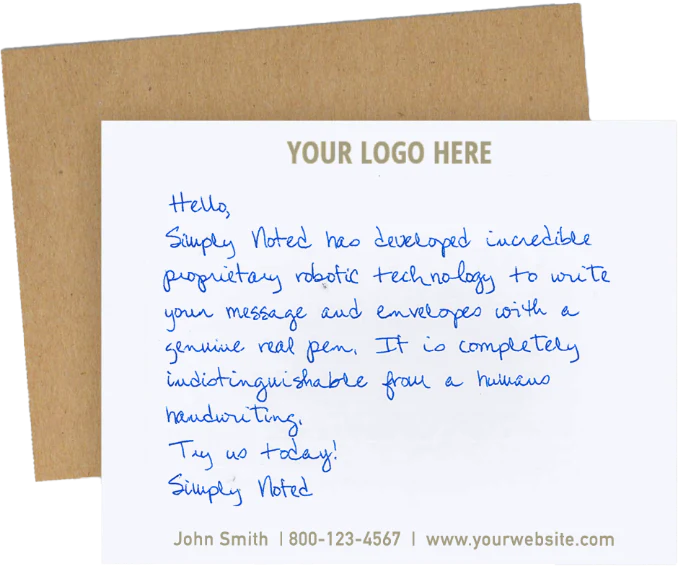
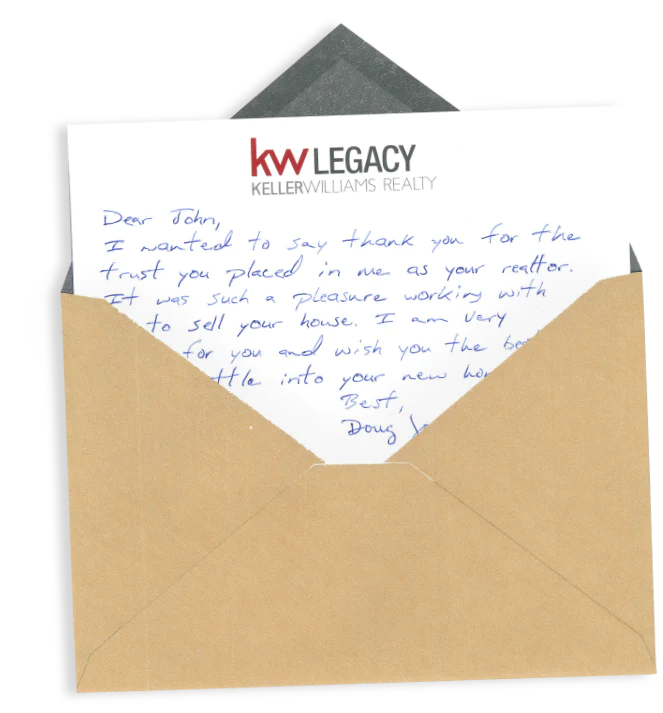
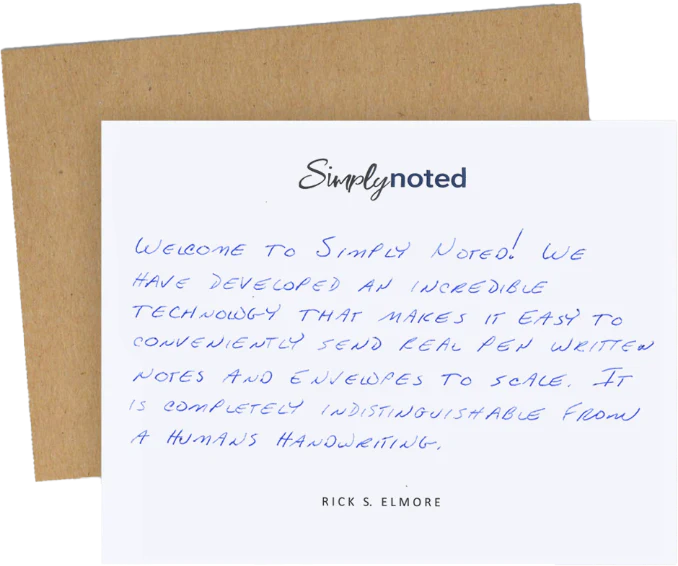
Handwritten mail can also feel more human. Real pen style, natural handwriting, and a less mechanical look make the piece seem more relevant and less automated. In a world filled with mass outreach, that kind of presentation can make clients, customers, and prospects pause for a moment instead of dismissing the piece immediately. That moment of attention can influence direct mail response.
Open rates are closely connected to response rates, especially for letters and cards inside envelopes. If a handwritten envelope increases curiosity, the chances of the message being read also improve. That is why handwritten direct mail often works best for high-value leads, existing customers, premium offers, and client relationships where trust and personal presentation matter more than reaching the widest possible audience at the lowest cost.
Handwritten Address Postcards Direct Mail Response Rate: Does It Matter?

The handwritten address postcards direct mail response rate question is slightly different because postcards do not rely on an envelope to get opened. With direct mail postcards, the message is already visible, so the role of the address is more about attention, credibility, and the overall feel of the piece. That means handwritten address postcards direct mail response rate may not improve for exactly the same reasons as handwritten envelopes.
Postcards already present the headline, offer, and design immediately. That can be a major advantage in direct mail marketing, especially when speed and visibility matter. However, handwritten addressing on postcards can still create a more personal appearance. It may help the piece look less like mass-produced marketing and more like something intentionally sent to a real person. That shift can influence how recipients view the message.
In practice, handwritten addressing on postcards works best when the campaign wants both visibility and a personal touch. It can be effective for thank-you outreach, re-engagement, local campaigns, or smaller prospect lists. Printed label postcards are often better for large-scale distribution. So while direct mail response rate handwritten address vs printed label postcards depends on the campaign, handwritten presentation can still increase attention when relevance and credibility matter.
Direct Mail Handwritten Envelopes vs Printed Labels on Letters and Cards
When comparing direct mail handwritten envelopes with printed labels on letters and cards, envelope presentation becomes much more important. Letters and handwritten cards depend on the recipient choosing to open the piece first. That makes the outside of the envelope a major factor in whether the message gets read at all. In this format, small visual differences can shape the entire response.
Handwritten envelopes often improve the handwritten envelope open rate because they look more personal and less promotional. Printed labels can sometimes feel too commercial, especially if the envelope resembles standard marketing mail. When recipients assume something is just another ad, they may ignore it without a second thought. A handwritten address, by contrast, may suggest a more personal message, which can increase curiosity and engagement.
Still, the address style is not the only variable. Card format, offer strength, message quality, and timing matter just as much. Handwritten letters may create a stronger emotional response, but they work best when the content inside feels relevant and well-targeted. Businesses should think of the envelope as an amplifier. It can improve the odds of the mail being opened, but the rest of the direct mail campaign must still do its job.
See Also: Automated Birthday Cards That Still Feel Personal
Three Factors That Influence Direct Mail Response Rates More Than Address Style
Address style matters, but it is only one part of a larger direct mail strategy. The first major factor is audience targeting and list quality. If the wrong people receive the mail, even the best handwritten direct mail piece will struggle. A carefully selected list of relevant recipients usually produces better direct mail response than a beautifully addressed piece sent to a weak audience.
The second major factor is offer strength and relevance. Recipients respond when the message is timely, useful, and clear. A strong offer can outperform a weak one regardless of whether the envelope is handwritten or printed. The third factor is follow-up and tracking. Businesses need dedicated tracking mechanisms to understand what is working across the entire campaign and what needs to be improved.
That is where tools like a QR code, promo codes, personalized URLs, and unique phone numbers become valuable. These elements help businesses measure direct mail response, compare mail pieces, and connect response rates to revenue. The debate around direct mail response rate handwritten address vs printed is useful, but the smartest marketers know that audience, offer, and tracking usually drive performance more than address style alone.
Cost vs Performance: Is Handwritten Direct Mail Worth the Investment?
The biggest concern with handwritten direct mail is usually cost. Handwritten mail often requires more effort, more personalization, and sometimes higher per-piece pricing than printed direct mail. For companies sending larger volumes, those differences can add up quickly. That is why businesses often compare handwritten campaigns with printed labels not just on response rates, but on total investment and scalability.
Even so, some businesses are willing to accept slightly higher costs when handwritten direct mail improves response rates or increases customer lifetime value. If a handwritten envelope helps a high-value lead respond, or if a handwritten note strengthens loyalty among existing customers, the extra spend may be worth it. In those situations, better response and stronger relationships can justify the premium over time.
Printed labels remain practical when scale, speed, and lower costs matter most. Large prospecting campaigns, broad awareness mailers, and recurring campaigns may benefit from the efficiency of printed direct mail. The right way to think about cost is through overall ROI, not just piece price. Businesses should compare response rates, conversions, customer lifetime, and revenue before deciding whether handwritten mail is the smarter long-term choice.
See Also: Why Your Real Estate Marketing Plan Should Include Handwritten Cards
Best Use Cases for Handwritten Direct Mail Campaigns

Handwritten direct mail campaigns work best when the goal is to create a stronger personal connection. High-value prospects are a strong fit because handwritten mail can help the piece feel more relevant and more important. When the business opportunity is significant, the extra effort of a handwritten envelope or personalized letter can make more sense than standard printed outreach.
These campaigns are also effective for existing customers, thank-you mailers, and re-engagement efforts. A handwritten note can show appreciation, reinforce trust, and remind customers that the company values the relationship. That kind of personal touch can be especially useful when trying to increase loyalty, revive inactive accounts, or strengthen customer lifetime value through thoughtful follow-up rather than more digital ads.
Handwritten campaigns also perform well for invitations, premium offers, client outreach, and relationship-driven communication. In these cases, the mail piece is not just delivering information. It is shaping perception. That is where services like Simply Noted become valuable. By making handwritten direct mail more affordable and scalable, Simply Noted helps businesses use handwritten campaigns in the marketing mix without losing efficiency or control.
Best Use Cases for Printed Direct Mail
Printed direct mail is often the better choice when a business needs speed, consistency, and scale. If the campaign involves larger volumes, broad targeting, or time-sensitive promotions, printed labels and printed mail pieces are easier to produce and manage. This helps companies integrate direct mail into a broader marketing mix without slowing down operations or increasing manual effort.
It is especially useful for large postcard campaigns, local awareness efforts, and recurring promotions where the goal is reach rather than a premium hand write feel. Many marketing experts across the industry still use printed formats because technology makes production faster, tracking easier, and headline numbers simpler to compare across campaigns.
Printed direct mail also works well for businesses focused on lower costs, predictable output, and a fast path to launch. While handwritten mailers may feel more personal, printed campaigns often make more sense for volume. If needed, teams can request a free quote and choose the format that best fits budget, audience, and goals.
Service Comparison: Best Platforms for Handwritten and Direct Mail Campaigns
Businesses choosing direct mail services should look beyond appearance alone. The right platform should support cost control, scale, personalization, and campaign flexibility. Some services are built for handwritten direct mail with envelopes and letters, while others focus more on postcards or enterprise workflows. That is why comparing options carefully matters before launching a first direct mail campaign.
Simply Noted stands out because handwritten envelopes are included at $0.97, making it a strong choice for businesses that want handwritten direct mail without pushing costs too high. Handwrytten offers business-friendly automation, but envelope addressing and postage usually cost extra. Pen Letters focuses more on premium envelopes and presentation. Scribeless is more suited to enterprise users who want advanced envelope options and larger campaign control.
PostPilot is a strong choice for postcard-focused campaigns, but it is primarily built around postcards rather than envelopes. That means it may not fit businesses looking for handwritten envelopes, handwritten letters, or a more personal mail format. For brands that want a balance of cost, personalization, and scale, Simply Noted offers one of the most practical solutions in the current direct mail market.
Why Simply Noted Is a Smart Choice for Handwritten Direct Mail
Simply Noted gives businesses a way to send handwritten direct mail with less friction. Many companies want the benefits of handwritten envelopes and handwritten cards, but they worry about cost, time, and scale. Simply Noted solves that problem by making it easier to send personalized mail pieces that still feel thoughtful and human without turning the process into a manual burden.
One major advantage is value. Since handwritten envelopes are included at $0.97, businesses can add a personal touch without paying the kind of premium that often makes handwritten campaigns hard to sustain. That matters for recurring campaigns, thank-you mailers, customer follow-up, and client outreach where consistency is important. It helps brands stay personal while still protecting overall ROI.
Simply Noted is also a strong fit for businesses that want better presentation without losing speed and control. Whether the campaign includes direct mail letters, handwritten cards, or personalized outreach to customers and clients, the platform helps companies scale handwritten campaigns in a practical way. For many marketers, that makes Simply Noted the easiest way to combine personalization, affordability, and measurable direct mail performance.
How to Test Handwritten Address vs Printed Label the Right Way

The best way to answer the question of direct mail response rate handwritten address vs printed is to test both formats directly. A proper A/B test should keep the audience, offer, message, and timing the same. The only major difference should be the address style. That makes it easier to see whether handwritten envelopes or printed labels are actually changing open rates, response rates, and final conversions.
Businesses should also use dedicated tracking mechanisms for both versions of the campaign. A QR code, promo codes, personalized URLs, and unique phone numbers can help track direct mail response more accurately. These tools make it possible to measure not only which mail piece got noticed, but also which one produced leads, sales, and revenue. Without tracking, the results are mostly guesswork.
It is also smart to test by format. Handwritten address postcards direct mail response rate may behave differently from letters inside envelopes. The same is true for thank-you cards, re-engagement mail, and promotional mailers. The strongest decisions come from real campaign data, not assumptions. That is why most marketers should treat testing as part of the entire campaign rather than relying only on average direct mail benchmarks.
SEE ALSO: Gratitude is a Business Strategy
Final Verdict on Direct Mail Response Rate Handwritten Address vs Printed
The answer to direct mail response rate handwritten address vs printed is not one-size-fits-all. In many cases, handwritten addressing improves first impressions, supports stronger open rates, and helps the mail feel more personal. That advantage can be especially valuable for high-value prospects, existing customers, client outreach, and campaigns where trust and attention matter more than pure volume.
At the same time, printed labels still make sense for many businesses. They support larger volumes, lower costs, and faster campaign execution. If the targeting is strong and the offer is compelling, printed direct mail can still deliver solid response rates. The best option depends on the format, the audience, the message, and the business goal behind the campaign.
For companies that want handwritten direct mail without losing efficiency, Simply Noted is one of the strongest options available. It gives businesses a more affordable way to use handwritten envelopes, letters, and cards at scale. The smartest approach is not to assume one format always wins. It is to test, measure, and choose the option that delivers the best response and overall ROI for your campaign.
Boost response with handwritten direct mail from Simply Noted. Scale personal outreach affordably and make every mail piece feel more human.
FAQs
Does a handwritten address increase direct mail response rates?
A handwritten address can increase direct mail response rates in some campaigns because it may improve curiosity and open rates. It often works best when the audience is well targeted and the message feels personal. However, results still depend on the offer, list quality, and overall campaign design.
What is the difference between handwritten envelopes and printed labels in direct mail?
Handwritten envelopes usually create a more personal impression, while printed labels look faster and more standardized. Handwritten direct mail may feel more important or relevant to recipients, but printed direct mail is often easier to manage at scale and may be more cost-effective for broader campaigns.
Are handwritten address postcards better than printed postcards?
Not always. Since postcards already display the message without needing to be opened, the address style plays a smaller role than it does with envelopes. Still, handwritten addressing can improve attention and credibility, especially in smaller or more personalized campaigns.
Is handwritten direct mail worth the extra cost?
It can be, especially when the campaign targets high-value leads, existing customers, or premium offers. If handwritten mail improves response rates or customer lifetime value, the higher per-piece cost may be justified. The best way to know is to test it against printed alternatives.
Which service is best for handwritten direct mail campaigns?
For many businesses, Simply Noted is a strong choice because it includes handwritten envelopes at $0.97 and makes handwritten campaigns more affordable at scale. Other services may fit specific needs, but Simply Noted offers a strong balance of personalization, price, and practicality.