What Is Handwritten Direct Mail? The Beginner's Guide (2026)
Simply Noted writes and mails real pen-and-ink cards for businesses. See handwritten direct mail →

What Is Handwritten Direct Mail? The Beginner’s Guide to the Industry
Direct mail is marketing sent through the mail to a specific group of people. It can include letters, postcards, offers, brochures, or other mail pieces delivered to a home or business address. While many brands focus heavily on email and digital marketing, physical mail still stands out because it reaches people in a different way. It arrives in the mailbox, gets handled, and often feels more noticeable than something lost in a crowded inbox.
Handwritten direct mail is a more personal version of that same channel. Instead of sending only standard printed promotions, a business sends a handwritten note, card, postcard, or letter that feels more human. That is why handwritten direct mail marketing continues to get attention in a world full of digital noise. It combines the personal touch of handwritten communication with the scale of modern mail services, making it easier for brands to create meaningful outreach without giving up efficiency.
For beginners, this guide breaks the topic down in simple terms. It explains how handwritten direct mail works, where handwriting robot technology fits in, who uses it, and how to build stronger campaigns. It also shows how platforms like Simplynoted help businesses bring handwritten outreach into a modern direct mail industry overview without losing the warmth that makes it effective.
SEE ALSO: 30th Birthday Sayings | 62 Ideas, Surprises, and Message Templates
What Is Handwritten Direct Mail?
Handwritten direct mail is a type of direct mail that uses handwritten-looking or real-pen communication to make outreach feel more personal. It can include handwritten letters, handwritten mailers, postcards, thank you notes, cards, and even a hand-addressed envelope. The goal is to create communication that feels less like mass advertising and more like a message meant for one person.
In simple terms, handwritten direct mail takes the structure of traditional direct mail and adds a more personal layer. A handwritten note feels different from a generic printed promotion because it suggests care, effort, and attention. That difference matters when a business wants to build trust, make a better first impression, or strengthen a relationship with customers, clients, or prospects.
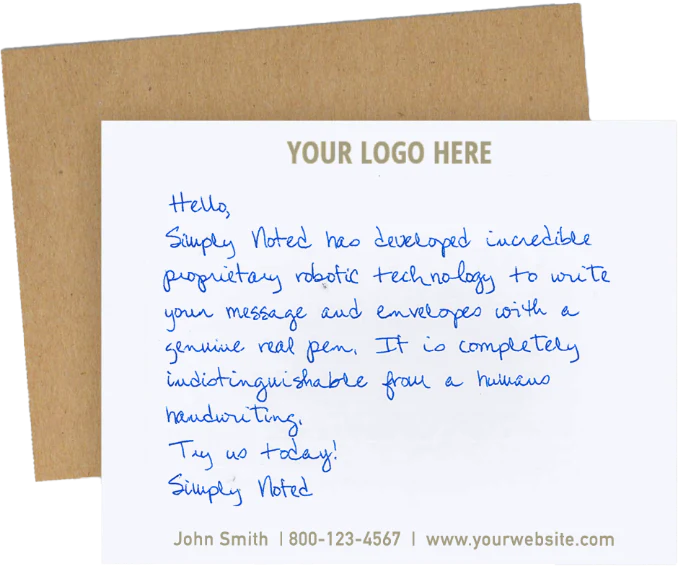
This kind of physical mail is often used to create personalized messaging at scale. Depending on the provider, it may be produced through human handwriting, robotic handwriting, or handwriting robot technology. Some services use real pens and real ink to create authentic-looking messages, while others rely more heavily on handwritten fonts. Either way, handwritten direct mail belongs to the wider direct mail industry, but it feels more human than standard printed mail pieces.
What Is Direct Mail and How Is Handwritten Direct Mail Different?
What Is Direct Mail?
Direct mail is marketing sent through the mail to a specific target audience. It can include postcards, letters, catalogs, offers, flyers, and other mail pieces. Businesses use it to reach recipients through a physical format rather than only relying on digital channels. That physical presence gives direct mail a different kind of visibility and can make it easier to remember.
Direct mail is still relevant because it reaches people outside email, search, and social platforms. It gives marketers another way to connect with the right audience and can support promotions, follow-ups, announcements, thank you messages, and customer retention efforts. It can also be tracked and measured, which is why many businesses still use direct mail marketing as part of a strategy focused on measurable ROI.
How Handwritten Direct Mail Stands Apart
Handwritten direct mail stands apart because it adds a personal touch that traditional printed mail often lacks. A standard postcard or generic promotional letter can feel obviously commercial. A handwritten note feels more natural and more thoughtful. It looks like something created for a person, not simply produced for a list.
That difference can change how recipients respond. A handwritten piece often gets more attention in the mailbox because it does not immediately look like mass marketing.
It feels personal, which can support better customer engagement, stronger open rates, and higher response rates. In a world full of digital marketing and constant digital noise, handwritten direct mail gives brands a more human way to stand out from other medium clutter.
How Handwritten Direct Mail Works
Handwritten direct mail works through a clear process. It starts with planning, moves into production, and ends with delivery and measurement. For beginners, the biggest thing to understand is that strong campaigns are not random. They are built around the right audience, clear campaign goals, and a message that feels personal.
The Basic Campaign Process
Most handwritten direct mail campaigns begin with mailing lists. A business gathers data, reviews demographic data, and studies customer behavior to segment recipients properly. That helps define the target audience and narrow the list to the right audience for each campaign. Once that is done, the business sets campaign goals. Those goals might include lead generation, follow-up, appreciation, reactivation, or customer retention.
After the audience and purpose are clear, the next step is choosing the format. Some campaigns work best as letters. Others work better as postcards, notes, or cards.
Then the message is created and personalized for the recipients. Once the written message is approved, the provider handles the rest of the process, including printing, postage, and mail delivery. That turns handwritten direct mail into a repeatable system rather than a one-time effort.
Where Technology Fits In
Technology now plays a major role in the entire process. Modern services automate much of the work, from importing mailing lists to triggering outreach based on customer actions. That makes handwritten direct mail easier to use at scale, even for brands with large customer databases or ongoing campaigns.
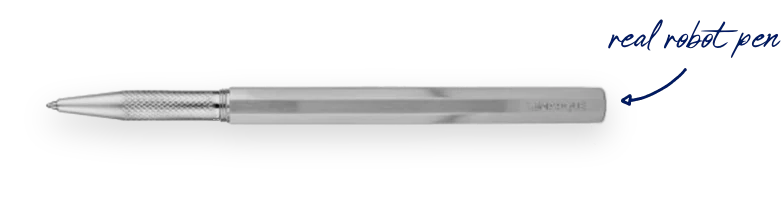
Handwriting robot technology helps solve the biggest challenge: how to keep the message personal while producing it efficiently. Some providers use robotic handwriting with real pens and real ink, which creates a more authentic look than simple printing.
Others use handwritten fonts, but real-pen output often feels more natural and believable. This is one reason the channel has grown more useful for businesses that want scale without losing the human quality that makes handwritten mail effective.
See Also : 15 Ways to Say "I Appreciate You"
Why Handwritten Direct Mail Works in a Digital World

Handwritten direct mail still performs well because it feels different from most modern marketing. People ignore many digital channels every day. Ads blur together, inboxes overflow, and messages get skipped quickly. Physical mail gets more attention because it feels real. It arrives in the world outside the screen, which immediately gives it a different level of presence.
A handwritten piece also feels more personal and memorable. Customers love communication that feels thoughtful, especially when it does not look like a generic promotion. That can improve customer engagement and response rates because the recipient is more likely to read, notice, and remember the message.
It also works well alongside digital marketing rather than against it. Handwritten direct mail supports a broader strategy by giving brands another way to follow up, stay visible, and build stronger relationships. Instead of replacing digital channels, it adds a human layer that many marketing campaigns are missing.
Common Types of Handwritten Direct Mail
There are several formats businesses use in handwritten direct mail. The right choice depends on the audience, the message, and the goal of the campaign. These formats also help cover important direct mail examples for beginners who want to understand how the channel is used in real situations.
Handwritten Letters
Handwritten letters are one of the most personal forms of handwritten mail. They are especially useful for introductions, follow-ups, relationship building, and higher-value outreach.
A letter gives more room for a detailed message and often feels more serious than a short postcard. This format works well when a business wants the communication to feel thoughtful and direct.
Thank You Notes
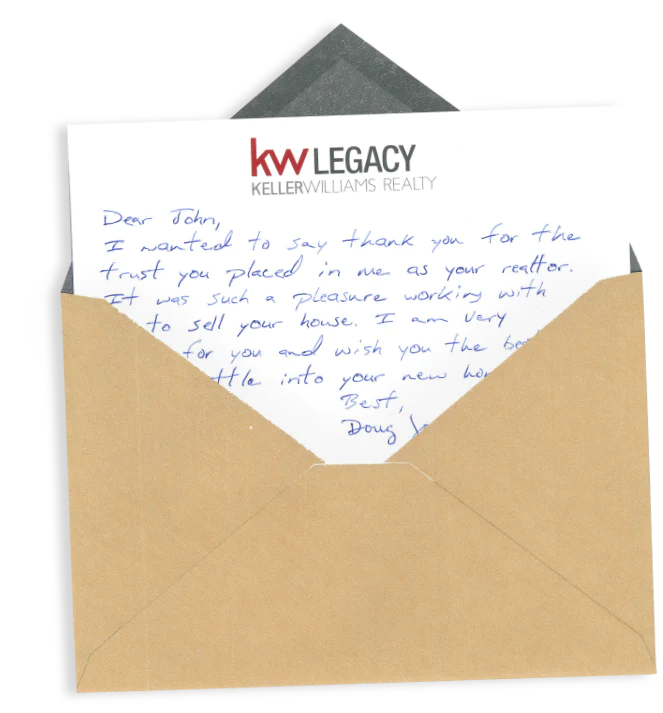
Thank you notes are simple, warm, and effective. They are ideal for customers, clients, referrals, and appreciation messages. Businesses often use thank-you notes after a meeting, after a consultation, or after a sale. A short handwritten note of thanks can leave a strong impression because it feels genuine rather than promotional.
Postcards and Standard Postcard Campaigns
Postcards are a practical format for reminders, offers, announcements, and promotions. A standard postcard is easy to mail, quick to read, and useful when the message needs to be brief.
Handwritten-style postcards combine visibility with a more personal tone, making them a good option for direct mail campaigns that need simplicity and reach.
Hand Addressed Envelope Mailers
A hand-addressed envelope creates curiosity before the mail is even opened. It feels more personal than a printed envelope and often gets more attention in the mailbox. This format is useful when the sender wants the mail piece to feel more direct, more selective, or more premium.
Some common direct mail examples include thank you notes after a meeting, follow-up notes after a consultation, welcome mail for new customers, reactivation messages to past clients, and local business outreach. Handwritten direct mail is also widely suited to relationship-driven industries such as real estate agents, law firms, and mortgage brokers, where personal communication often matters more than broad advertising.
SEE ALSO: How to Write a Customer Appreciation Letter
Who Uses Handwritten Direct Mail?
Handwritten direct mail is used by many kinds of businesses because it works especially well when relationships matter. It is not limited to one industry or one campaign type.
Any business that wants to build trust, improve follow-up, or make customers feel valued can benefit from a more personal approach. That is why handwritten direct mail has become useful for both small operations and larger marketing teams.
Small Businesses and Local Businesses
Small businesses and local businesses often use handwritten direct mail because it helps them compete in a more personal way. They may not have the same budget as larger brands, but they can still stand out by making customers feel remembered.
A short handwritten note or thank-you mail can support customer retention, encourage repeat visits, and strengthen referral building. For businesses that rely on relationships and reputation, that personal effort can go a long way.
Real Estate Agents and Mortgage Brokers
Real estate agents and mortgage brokers are strong users of handwritten direct mail because their work depends on trust and timing. A handwritten follow-up after a listing conversation, open house, or consultation feels more personal than a standard printed piece.
It works well for lead nurture and relationship-based outreach, especially when the goal is to stay top of mind during a long decision process. In these industries, a well-timed handwritten message can help turn interest into action.
Law Firms and Professional Services
Law firms and other professional services also benefit from handwritten direct mail. Their communication often needs to feel thoughtful, professional, and trustworthy.
A handwritten card or note can support client communication, trust-building, and follow-up after consultations. It helps the message feel more human, which matters in industries where clients often choose based on confidence and connection as much as price.
Direct Mail Marketers and Agencies
Direct mail marketers and agencies use handwritten direct mail as part of a broader service offering. They often manage campaigns for clients who want better responses from outreach, follow-up, or appreciation campaigns.
For marketers, handwritten direct mail is valuable because it can be combined with a larger marketing strategy rather than used alone. It fits well into multichannel campaigns where the goal is to make customer communication feel more memorable and personal.
SEE ALSO: Ways to Thank Someone For Offering Help
Handwritten Direct Mail vs Traditional Direct Mail

Traditional direct mail is often cheaper and faster to produce at scale. It works well for broad promotions, large mailing lists, and simple offers where volume matters most. For some direct mail campaigns, that makes perfect sense. A printed postcard or flyer can be an efficient way to reach a wide audience quickly.
Handwritten direct mail usually comes with higher costs, but it offers something different in return. It often feels more personal, less promotional, and more relevant to the recipient. That makes it a better fit for relationship-based campaigns where trust, appreciation, and follow-up matter more than raw reach. A handwritten direct piece is often stronger when the campaign goals focus on customer connection rather than mass awareness.
This is where the right audience matters. If a business is targeting high-value leads, past customers, referrals, or clients who need a more personal experience, handwritten direct mail can produce better response rates and stronger measurable ROI. Traditional direct mail still has value, but handwritten campaigns are often worth the extra effort when the goal is quality of response rather than quantity of impressions.
Handwritten Direct Mail vs Digital Marketing
Digital marketing is faster, easier to test, and usually cheaper to launch. Businesses can build campaigns quickly, adjust messages in real time, and measure clicks almost instantly. That makes digital channels useful for speed, scale, and ongoing optimization. It is also why so many brands rely heavily on email, social media, and paid ads.
Handwritten direct mail is slower, but it is often more memorable. It adds a human feel that digital channels often lack. A physical message in the mailbox creates a different kind of attention and can feel more personal than most online communication. That personal quality is one reason handwritten direct mail continues to work even as digital outreach keeps growing.
The smartest approach is usually not choosing one over the other. It is using both together in a broader marketing plan. Handwritten direct mail can support email, retargeting, and follow-up campaigns by adding a more personal touch where it matters most. When used as part of a larger strategy, it can strengthen customer engagement and make other campaigns work better.
The Role of Handwriting Robot Technology
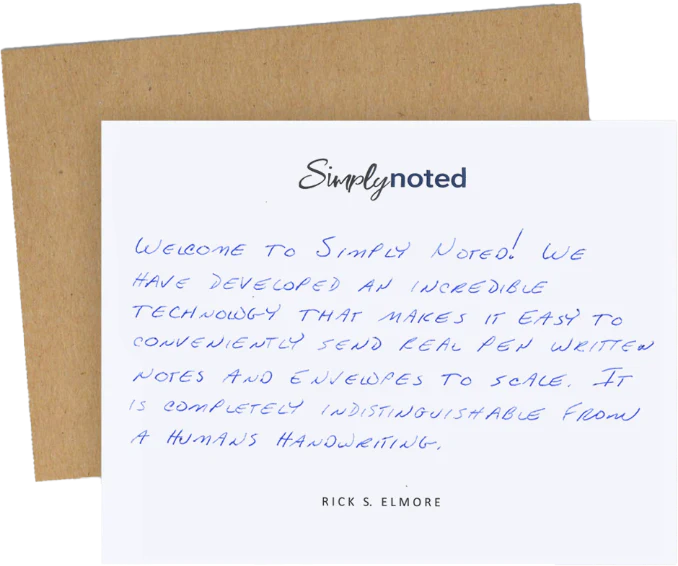
Handwriting robot technology makes handwritten direct mail practical at scale. Instead of relying only on human handwriting for every message, many providers use robotic handwriting to create a consistent handwritten look across larger volumes. This allows businesses to send more outreach without losing the personal feel that makes handwritten mail effective.
Some systems use real pens and real ink, which helps each written piece look more authentic than a printed imitation. That is different from relying only on handwritten fonts, which may look neat but often feel less believable. The goal is not just to make the message look handwritten. The goal is to make it feel authentic enough that the recipient notices the difference.
For beginners, the idea is simple. Handwriting robot technology helps businesses create personalized outreach at scale. It bridges the gap between human handwriting and efficient automation, allowing brands to send handwritten notes in a way that still feels warm, personal, and real.
How to Build a Handwritten Direct Mail Campaign
A strong handwritten direct mail campaign starts with a clear process. The more structured the campaign is, the easier it becomes to repeat, improve, and scale. Beginners do not need to overcomplicate it. They just need to focus on the basics.
Step 1: Define Campaign Goals
Start by deciding what the campaign needs to achieve. Campaign goals may include leads, referrals, retention, reactivation, or thank you outreach. A clear goal shapes everything else, including the message, timing, and audience.
Step 2: Choose the Right Audience
Once the goal is clear, define the right audience. Use data, demographic data, and customer behavior to segment recipients properly. The better the target audience matches the message, the stronger the results are likely to be.
Step 3: Create the Message
The message should be clear, personal, and relevant to the recipient. Keep it simple. A handwritten direct mail campaign works best when the message feels natural rather than overly polished. Create personalized wording that matches the relationship and the purpose of the outreach.
Step 4: Pick the Format
Choose the format that best supports the message. Notes, letters, postcards, and cards each serve different purposes. Letters can work well for detailed outreach, while postcards may be better for short reminders or promotions.
Step 5: Launch and Measure
After the mail is sent, track results. Monitor open rates where possible, track response rates, and review measurable ROI. A campaign is much more useful when the business learns what worked and what needs improvement before sending the next round.
Costs, Pricing, and ROI in Handwritten Direct Mail
Costs in handwritten direct mail can vary widely depending on volume, format, printing, personalization, and postage. A short postcard campaign may cost less than a fully customized handwritten letter with premium materials. That is why businesses should look at total campaign value instead of only the base price per piece.
Handwritten direct mail usually comes with higher costs than mass-printed mail, but that does not automatically make it expensive in the wrong way. In many cases, the stronger response and better customer connection justify the spend. Competitive pricing matters, but results matter more. The cheapest option is not always the best option if it produces weak engagement.
For beginners, it often helps to request a free quote before launching. That makes it easier to compare services, estimate postage, and understand what level of personalization fits the budget. The real goal should always be measurable ROI, not just low upfront cost.
Where Simplynoted Fits in the Industry
Simplynoted fits into the handwritten direct mail space by helping businesses send more personal outreach in a more efficient way. It combines modern automation with personalized messaging, which makes handwritten direct mail easier to manage at scale. That is useful for businesses that want the personal touch without turning the entire process into manual work.
It is especially well suited for thank you notes, follow-ups, customer appreciation, and relationship-driven campaigns. For brands that want better mail services, more flexibility, and a more human way to contact customers and clients, Simplynoted offers a practical way to create and send handwritten outreach.
Common Mistakes Beginners Should Avoid

One of the biggest mistakes beginners make is using poor mailing lists. Bad data leads to weak targeting, which means even a good message may reach the wrong people. Another common issue is choosing the wrong audience for the campaign goals. Handwritten direct mail works best when the right message goes to the right recipient.
Sending generic messages is another problem. A handwritten campaign should feel personal, not copied and pasted. Relying too heavily on handwritten fonts can also reduce authenticity if the final piece looks too polished or obviously automated. Ignoring postage timing can lead to late delivery, which weakens the impact of the message.
Finally, many beginners fail to measure performance. Without tracking response, refining the process, and reviewing data, it becomes hard to improve future campaigns. Handwritten mail should not be treated like mass junk mail. It works best when it is intentional, personal, and tied to a clear strategy.
SEE ALSO: How to Write Thank You Letters to Your Customers
Conclusion
Handwritten direct mail still matters because it helps businesses stand out in a crowded marketing world. While digital channels move fast, physical mail feels more real and personal. That difference often leads to stronger attention, better response, and more meaningful customer engagement.
It also gives brands a practical way to combine personal communication with modern strategy. From thank you notes to follow-up campaigns, handwritten outreach can support trust, retention, and relationship building across many industries. It is not just a creative idea. It is a useful business tool.
For companies that want better response rates and stronger customer relationships, handwritten direct mail remains a smart channel. With the right message, right audience, and right process, it can become a valuable part of long-term marketing success.
Turn your outreach into something people actually notice. Explore SimplyNoted’s handwritten direct mail service to send personal, memorable messages at scale and make every campaign feel more human.
FAQs
What is handwritten direct mail?
Handwritten direct mail is a type of direct mail that uses handwritten-style or real-pen communication to make messages feel more personal. It can include notes, letters, postcards, cards, and handwritten mailers sent to customers, clients, or prospects.
Does handwritten direct mail work better than regular direct mail?
It can, especially when the goal is trust, follow-up, or relationship building. Regular direct mail is often better for broad reach, but handwritten direct mail usually feels more personal and can improve response rates with the right audience.
How does handwriting robot technology work?
Handwriting robot technology uses machines to create written messages that look handwritten. Some systems use real pens and real ink, which makes the result look more authentic than printed handwritten fonts. It helps businesses scale handwritten outreach while keeping a human feel.
Is handwritten direct mail good for small businesses?
Yes. Small businesses often benefit from handwritten direct mail because it helps them build stronger customer relationships, improve retention, and stand out with more personal communication.