Handwritten Notes for Customer Retention: Strategy Guide & Platforms
Simply Noted writes and mails real pen-and-ink cards for businesses. See handwritten notes for business →

Handwritten Notes for Customer Retention — Strategy Guide with Platform Recommendations
Keeping customers engaged after the first purchase is harder than making the first sale. Many businesses focus heavily on acquisition, then rely on routine follow-up that feels forgettable. When communication becomes too automated, customers may stop paying attention, even when the brand wants to build a stronger relationship after the initial purchase.
That problem is made worse by digital noise. Emails pile up, promotions blur together, and digital communication often gets ignored. In crowded inboxes and busy feeds, even valuable messages can disappear. A handwritten message feels different because it slows the moment down and gives the customer something more personal and memorable to notice.
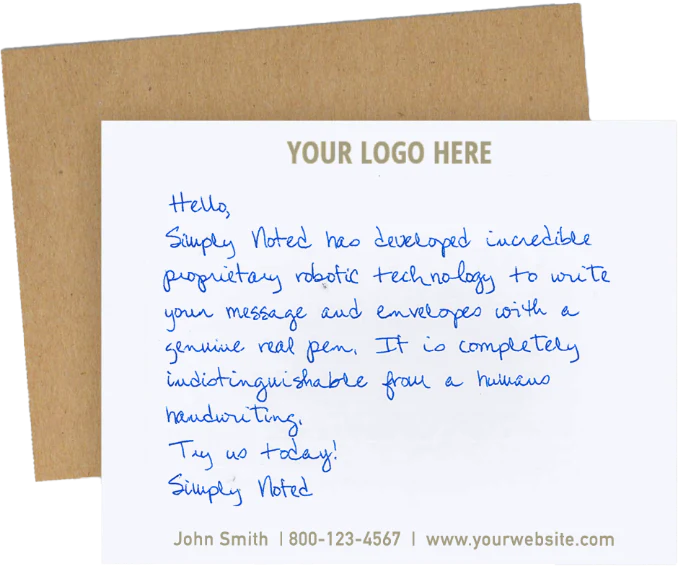
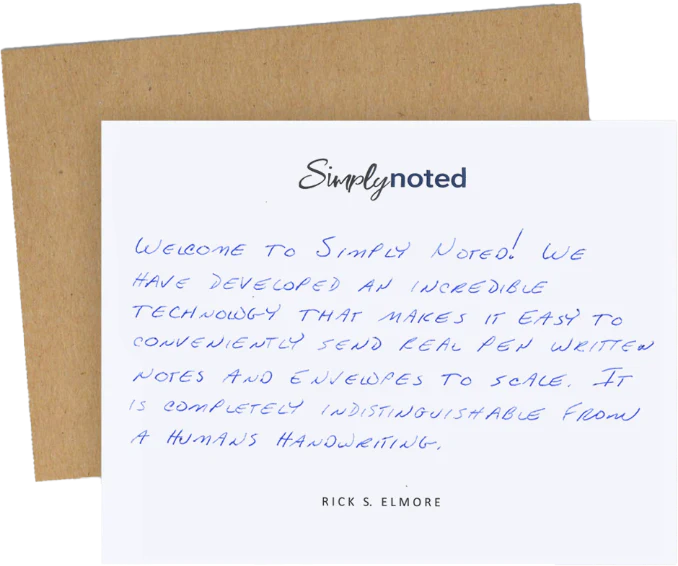
That is why handwritten notes customer retention strategies continue to matter. A simple handwritten note can create emotional connection, show genuine appreciation, and leave a lasting impression. It feels thoughtful in a way many automated messages do not. Simply Noted enhances customer relationships through the unique power of authentic handwritten notes.
See Also: Automated Simply Noted Cards That Still Feel Personal
Why Customer Retention Matters More Than Ever
Customer retention matters because growth becomes more stable when a business keeps existing customers engaged. Chasing only new sales can raise marketing cost and create pressure to constantly replace lost buyers. A stronger retention strategy helps businesses create more predictable revenue from relationships they have already worked hard to build.
Repeat business and repeat purchases often contribute more long-term value than a single transaction. When customers return again and again, customer lifetime value grows, and the brand becomes part of their habits and preferences. This kind of loyalty supports stronger business performance without relying only on fresh acquisition every month.
Strong retention rates also support brand growth in a deeper way. They improve revenue, strengthen loyalty, and help create a base of customers who remain loyal over time. Retention is not just about keeping a sale alive. It is about building lasting relationships that continue to create value for both the customer and the company.
Why Handwritten Notes Work for Customer Retention
Handwritten notes feel different from emails, text messages, and automated follow-ups because they carry a more personal tone. A handwritten message shows visible effort. It does not feel like it was generated and sent to everyone at once. That difference helps the note stand out and makes the communication feel more intentional.
The personal touch matters because retention is often built through emotional connection, not just reminders. Customers feel valued when a business takes time to send notes that feel human and direct. That human touch can turn a routine customer interaction into a more meaningful experience that strengthens the relationship beyond the purchase itself.
Handwritten thank you notes and personalized notes help build trust because they show genuine appreciation. Instead of sounding promotional, they communicate care, gratitude, and attention. Over time, that kind of outreach can support brand loyalty, improve customer retention, and encourage repeat business in a way that generic digital communication often cannot match.
What Makes Handwritten Notes a Powerful Retention Tool
Handwritten communication works because people respond differently to messages that feel personal. A note written by hand carries more emotional weight than something that looks mass-produced. It creates a sense that the sender invested time and thought, which changes how the recipient interprets the message and the relationship behind it.
Even a simple handwritten note can feel memorable and sincere. It may only contain a few words, but the format gives those words more presence. Consumers often remember small gestures more clearly than automated messages because the note feels unexpected, warm, and real. That small gesture can shape how the brand is remembered later.
That is why handwritten notes can be such a powerful retention tool. They support customer loyalty by creating lasting relationships through real connections. When customers feel appreciated, they are more likely to remain loyal, speak positively about the brand, and continue the relationship instead of treating the business as just another option.
See Also: Automated Thank You Cards That Still Feel Personal
Best Times to Send Handwritten Notes to Customers
Timing plays a major role in whether handwritten notes improve customer retention. Notes tend to work best at meaningful points in the customer journey, when the message feels connected to a real moment. After a first purchase, after repeat purchases, after referrals, or after a positive review are all strong opportunities to create a lasting impression.
They also work well after a service milestone or after resolving a problem. In those moments, the note can strengthen trust and show the customer that the business values more than the transaction. Customer win-back situations are another strong use case, especially when the goal is to reconnect with someone who has gone quiet.
The reason timing matters is simple. A handwritten message feels stronger when it arrives with context. In retention marketing handwritten campaigns, the note should support a specific moment, not feel random. When the message matches the stage of the relationship, customers are more likely to feel valued and respond positively to the outreach.
Types of Handwritten Notes That Help Improve Customer Retention

Yes, different handwritten note types help improve customer retention by matching specific customer moments and goals, making outreach feel more personal, timely, relevant, and meaningful.
Thank you notes work after purchases, referrals, or completed services.
Customer appreciation cards show gratitude without sounding promotional.
Handwritten letters feel more personal for important relationships.
Win-back notes reconnect inactive customers in a thoughtful way.
Milestone notes recognize anniversaries, loyalty, or progress.
Seasonal appreciation notes help maintain warm, ongoing connection.
This flexibility makes handwritten notes useful across industries.
Businesses can use them for appreciation, re-engagement, loyalty, and repeat purchases.
The right note type helps the message feel personal and aligned with the customer relationship.
Strategy Guide: How to Use Handwritten Notes for Customer Retention
A good retention strategy does not rely on random gestures. It uses handwritten notes with purpose, timing, and personalization. The strongest approach is to connect the note to key moments in the customer journey, so the outreach feels thoughtful instead of generic or disconnected from the relationship.
Businesses should think about who receives notes, why they are receiving them, and what action or feeling the note should support. Some notes are meant to express gratitude, while others are meant to encourage repeat purchases or reopen existing relationships. The message should always fit the customer and the moment.
When used consistently, handwritten notes become more than a nice extra. They become part of a broader marketing strategy that helps improve customer retention, build loyalty, and create memorable interactions. With the right system, businesses can scale this kind of outreach while still protecting the personal feel that makes it effective.
Start with your customer segments
Not every customer should receive the same note. First-time buyers, repeat customers, VIP clients, inactive customers, and referral sources all have different needs and different places in the customer journey. Segmenting them helps the message feel more relevant and more personal.
Segmentation improves personalization because it lets the business match tone, timing, and purpose more clearly. A handwritten thank you for a new customer should not sound the same as a win-back note for someone inactive.
Match the note to the moment
The note should fit the stage of the relationship. A thank-you after purchase works because it reinforces appreciation at the right time. A win-back note after inactivity works because it reconnects the relationship when attention has faded.
This makes the message feel natural instead of forced. Customers are more likely to respond positively when the note reflects something real and recent in their experience with the brand.
Keep the message short and sincere
Simple words often feel more genuine than long, polished writing. A short handwritten message with real gratitude can create more emotional connection than a crowded note that tries to say too much at once.
The goal is not to sell too hard. Over-selling weakens the personal touch and makes the note feel like a disguised promotion instead of sincere appreciation.
Build it into your retention workflow
Handwritten notes work best when they are part of a repeatable process, not only an occasional idea. Businesses can connect them to purchases, reviews, milestones, and follow-up stages so the outreach becomes consistent.
Automation can support this workflow without removing the human feel. The key is using systems that help scale the process while keeping the message personal and relationship-focused.
Handwritten Notes for Different Business Types
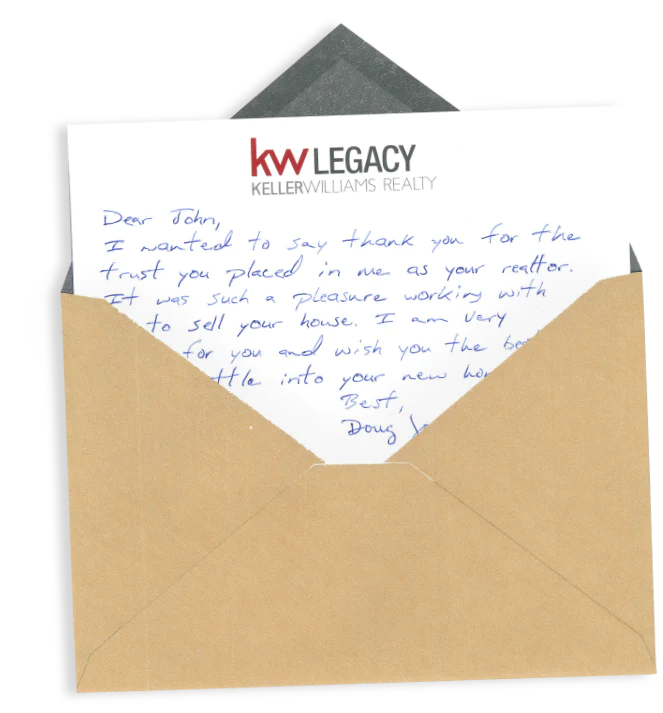
Handwritten notes for business can work across many industries because customer retention matters everywhere. Ecommerce brands can send thank you notes after a purchase. Home services companies can follow up after completed work. Real estate professionals can send personalized notes after closings or referrals to maintain real connections over time.
Healthcare practices can use notes to express appreciation and support a more personal experience for clients or patients. Agencies can send handwritten thank you messages after project milestones or successful partnerships. Local service businesses can use handwritten cards to remain memorable in competitive markets where repeat business and referrals play a big role.
The reason this works across industries is that the core need stays the same. Customers want to feel valued, not processed. A handwritten note can create that feeling in many different settings. When used well, it helps encourage repeat purchases, strengthen brand loyalty, and build lasting relationships that support long-term business growth.
See Also: Simply Noted Holiday Cards That Make a Lasting Impression
Customer Win-Back Handwritten Notes: When and How to Use Them

Customer win-back handwritten notes are useful when a customer has become inactive and the relationship needs a thoughtful restart. This may happen after a long gap in purchases, a paused service relationship, or a period of low engagement. A handwritten message can reopen the connection in a more human way than standard re-engagement emails.
The timing matters. Businesses should reach out when inactivity becomes noticeable but before the relationship feels completely lost. The goal is not pressure. It is to remind the customer that they are still valuable. This is where handwritten communication can feel more thoughtful, less automated, and more respectful than another digital prompt.
Common win-back goals include encouraging a return purchase, renewing attention, or simply restarting communication. For example, a brand might thank a former customer for past support and invite them back in a warm, low-pressure way. That approach can create better emotional response because it feels personal rather than purely promotional.
What to Say in a Customer Retention Handwritten Note
A strong customer retention note should sound warm, simple, and human. The message can include gratitude, appreciation, mention of the purchase or relationship, and a light invitation to return. It should acknowledge something real, such as a recent order, continued loyalty, or the value of the customer’s support over time.
The tone should never feel like a sales script. Customers respond better when the note sounds sincere and personal rather than overly polished or pushy. Even when the business hopes to drive sales or repeat purchases, the note should lead with appreciation and relationship, not promotion. That is what gives handwritten communication its lasting impression.
Positive, natural language works best. A few thoughtful words can be enough when they are honest and specific. Mention the customer, communicate gratitude clearly, and keep the note focused. When customers feel appreciated, the message becomes more memorable, and that helps support customer loyalty and stronger retention over time.
Platform Recommendations for Sending Handwritten Notes at Scale
As businesses grow, sending every note manually becomes harder to manage. That is why tools and platforms matter when companies want to scale handwritten notes customer retention efforts. A good system helps teams send notes consistently without losing time on repetitive tasks. It makes handwritten outreach easier to use as part of a real retention strategy, not just an occasional gesture.
The best platforms should offer personalization options, automation, easy ordering, CRM integrations, quality output, and the ability to send notes at scale. These features help businesses connect customer data with key moments, so messages feel timely and relevant. Strong platforms also make it easier to manage appreciation, follow-up, and win-back efforts across different segments.
Most importantly, the right platform helps maintain the personal touch without making the process too manual. That balance matters because handwritten notes only work well when they still feel human. The goal is to create real connections at scale, while keeping the experience simple enough for the business to repeat consistently and effectively.
Why Simply Noted Is a Strong Fit for Retention-Focused Handwritten Outreach
Simply Noted is a strong fit for businesses that want handwritten customer retention outreach at scale without creating extra operational burden. It gives companies a practical way to send notes that still feel personal while improving efficiency behind the scenes. That makes it useful for brands that want handwritten communication to support retention, appreciation, and relationship-building in a sustainable way.
The value comes from combining personal touch with consistent quality and a more streamlined process. Businesses can support customer appreciation and retention campaigns without relying on entirely manual writing every time. That helps teams stay efficient while still sending messages that feel thoughtful, warm, and aligned with the brand experience customers remember.
This is what makes the platform relevant in a real business setting. Simply Noted enhances customer relationships through the unique power of authentic handwritten notes. For companies that want to improve customer retention through more memorable outreach, it offers a practical way to scale handwritten communication without losing the human element that makes it effective.
Common Mistakes to Avoid in Handwritten Retention Marketing
One common mistake is sending notes too late. If the message arrives long after the purchase, referral, review, or service milestone, the emotional connection may already be weaker. Timing plays a major role in how customers respond. Another issue is making the note sound generic, which can reduce its value and make the message feel less sincere.
Businesses also weaken results when they turn appreciation into a sales pitch. A retention note should feel personal first. If the message pushes too hard, it can lose the warmth that makes handwritten communication effective. Ignoring customer segments is another problem, because the same note will not feel equally relevant to first-time buyers, loyal customers, and inactive clients.
Too much automation can also damage the message if it removes genuine personalization. Automation should support the workflow, not replace the human feel. Businesses should also connect notes to a broader customer retention strategy. When handwritten outreach is disconnected from larger goals, it becomes harder to measure and less effective at improving lasting relationships.
SEE ALSO: How Do You Say Thank You Meaningfully?
Measuring the Impact of Handwritten Notes on Customer Retention

The success of handwritten notes should be measured through business outcomes, not just sentiment alone. Repeat purchases, retention rates, customer loyalty, positive responses, reviews, referrals, and revenue from existing relationships are all useful indicators. These metrics help show whether handwritten notes are actually improving the customer journey and supporting stronger long-term value.
Not every note will lead to an instant sale, and that is important to understand. Handwritten notes often work by strengthening trust, appreciation, and memory over time. A customer may not buy immediately after receiving one, but the note can still influence how they view the brand, whether they return later, and whether they recommend the business to others.
That is why the impact should be judged both directly and over time. Positive responses, repeat business, and stronger loyalty often build gradually. When a business tracks these outcomes carefully, it becomes easier to see how handwritten notes support retention. The long-term effect may be stronger relationships, better revenue quality, and more dependable business growth from existing customers.
SEE ALSO: 4 Ways to Send Customer Appreciation Letters
Final Thoughts on Using Handwritten Notes to Improve Customer Retention
Handwritten notes remain powerful because they offer something many digital messages no longer do. In a world shaped by digital noise, they feel slower, more personal, and more sincere. That difference helps them stand out. Customers are more likely to remember a note that feels real than another piece of digital communication that disappears quickly.
Their value goes beyond simple appreciation. Handwritten notes can support loyalty, repeat business, and stronger emotional connection throughout the customer journey. They help customers feel valued in a way that often creates a lasting impression. For businesses focused on retention, that small gesture can become a meaningful part of a much larger relationship strategy.
The strongest handwritten notes customer retention strategies are timely, sincere, and supported by the right platform. When businesses combine thoughtful messaging with a repeatable system, they can improve customer retention without losing authenticity. In the end, the real goal is not only to send notes. It is to build stronger relationships that help customers remain loyal and feel genuinely appreciated.
FAQs
Can handwritten thank you notes really improve customer loyalty?
Yes, they can. A handwritten thank you note adds a human touch that helps customers feel seen and valued. That small message written with a pen can be a game changer for customer loyalty because it creates stories and memories that standard follow-up emails often fail to create.
Are handwritten cards better than automated follow-ups?
In many cases, yes. Handwritten cards feel more personal and thoughtful, especially when digital messages are everywhere. They can act as a secret weapon in retention because customers feel the effort behind the note. The power of handwritten outreach often comes from making appreciation feel real, not routine.
Can businesses use handwritten notes in direct mail campaigns?
Absolutely. Businesses can use handwritten thank you notes and other personalized messages in direct mail campaigns to strengthen relationships and improve retention. This works especially well after purchases, referrals, or service milestones, when customers feel more connected to the brand and more open to future communication.
What makes handwritten notes so memorable?
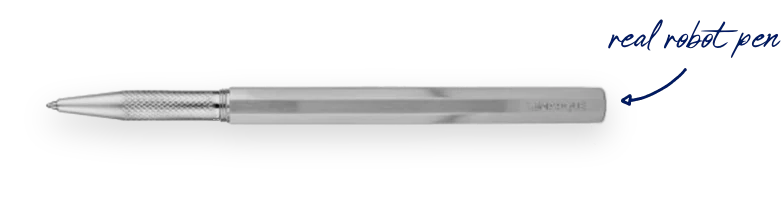
A handwritten note feels memorable because it carries emotion, effort, and personality. The use of a real pen, simple words, and genuine appreciation helps create a lasting impression. Unlike generic follow-ups, handwritten thank messages often stand out because they feel sincere and help turn ordinary interactions into meaningful stories.