Psychology of Handwritten Cards: Why Recipients Respond (Service Guide)

The Psychology Behind Handwritten Cards — Why Recipients Respond (And Which Services Get It Right)
Digital communication fills daily life, but most emails, alerts, and promotions are skimmed or deleted quickly. Personal mail creates a different feeling. People still cherish receiving personal mail because it feels thoughtful, rare, and more human than the stream of digital messages or junk mail they see every day.
That is why handwritten cards continue to matter. They stand out in an enduring and noteworthy way because they feel personal, intentional, and sincere. Unlike generic promotions, personal mail shows visible effort. Even acclaimed calligrapher Margaret Shepherd has long highlighted how handwriting carries character, care, and meaning that typed communication often cannot match.
For people who enjoy writing notes, handwritten communication offers a more meaningful form of connection. It turns simple words into something memorable. With the right message, clear handwriting, and even a little thorough instruction from an acclaimed calligrapher, a handwritten card can create a lasting emotional response.
See Also: SimplyNoted vs Handwrytten 2026: Pricing, Quality & Features Compared
Why the Brain Responds Differently to Handwritten Communication
The psychology of handwritten letters begins with effort, presence, and meaning. Handwriting is more than words on paper. It shows a real person behind the message. Small details like pressure, spacing, and style signal care, which is why recipients often feel grateful and more emotionally connected when they read handwritten communication.
Modern research continues to show the importance of personal, tangible messages. Unlike typed text, handwriting carries warmth, personality, and a sense of intention. That is part of the pleasure of receiving a handwritten note. It feels closer, more sincere, and often more memorable than digital communication.
For many people, handwritten notes act like a powerful little guide, even a kind of rescue manual, for better connection. They keep providing inspiration in a world where so many men and women crave more personal communication.
The Emotional Science Behind Handwritten Cards
One reason handwritten cards remain effective is that they often create emotional warmth. A physical card can feel comforting in a way that digital communication rarely does. It engages the senses. The recipient touches the paper, sees the handwriting, and experiences the note as a physical object rather than a passing screen message. That sensory experience makes the communication feel more emotionally present.
This is where the idea of oxytocin handwritten mail becomes relevant. Oxytocin is often associated with trust, bonding, and social connection. While a handwritten card is not a chemical switch by itself, it can support the kinds of emotional responses linked to closeness and positive social exchange. When a message feels personal, thoughtful, and sincere, it can increase warmth and strengthen the recipient’s sense of human connection.
Physical paper and pen matter more than they seem to. Writing by hand slows the process. That slower process often produces more thoughtful wording, more intentional phrasing, and more specific details. Those qualities make a message stronger. The recipient does not just see words. They see evidence that someone took time to craft correspondence rather than firing off a quick digital reply.
That emotional power shows up in many parts of life. A birthday card from family, a note of gratitude from friends, a message to a mother, or a thoughtful piece of business outreach can all feel more meaningful when written by hand. Handwritten cards can carry appreciation, care, and connection in a way that typed communication often struggles to match. They feel like both an epistolary tribute and a practical act of modern relationship-building.
Reciprocity Bias: Why People Feel More Inclined to Respond
Reciprocity bias direct mail works because thoughtful effort often invites a response. When people receive handwritten cards, they usually feel a stronger connection to the writer. A note written by hand feels more generous than something typed on a keyboard, which makes the interaction warmer and more personal.
That is why handwritten outreach often performs differently from mass-produced marketing. A printed ad may ask for attention, but a handwritten card feels like a gift. It signals time, care, and intention. That changes how the message is received and remembered.
This response pattern can start early, even in preschool, where children learn to value personal effort and kindness. In adult life, the same instinct helps handwritten notes encourage replies, goodwill, referrals, and stronger long-term relationships.
See Also: Automated Thank You Cards That Still Feel Personal
The Scarcity Principle and Why Handwritten Cards Stand Out

The scarcity principle in psychology suggests that people place more value on things that feel rare. When something is uncommon, it attracts more attention and is often perceived as more meaningful. That principle helps explain why handwritten cards have such strong emotional and practical value today.
In a technology-heavy world, handwritten communication is rare. Most people type. Most businesses automate. Most messages arrive quickly and disappear just as quickly. Handwritten letters and notes move in the opposite direction. They feel slower, more deliberate, and less replaceable. That rarity increases perceived authenticity.
Scarcity also affects emotional value. Because handwritten cards are uncommon, recipients often assume the sender truly meant to reach out. The act feels intentional rather than routine. That is important because intention shapes trust. If something feels rare and thoughtful, it is more likely to be seen as genuine.
This is why handwritten communication often feels enduring and noteworthy. A card can sit on a desk, get pinned to a board, or be saved in a drawer for years. People rarely preserve a marketing email, but they often save handwritten notes that feel meaningful. The scarcity principle helps explain that difference. Rarity gives the message emotional weight, and emotional weight makes it memorable.
The Impact of Handwritten Notes in Personal Relationships
The emotional strength of handwritten cards becomes especially clear in personal relationships. A note written by hand can make someone feel seen in a deeper way because it reflects effort, attention, and personal care. It does not feel like a fast reaction. It feels like a thoughtful decision.
This matters in relationships with family, friends, and loved ones. A handwritten note to a mother can express gratitude in a form she may keep forever. A birthday card can become more than a social gesture when it includes real memories, appreciation, and specific details. A short message to friends can carry more warmth when it feels crafted rather than copied.
Handwritten communication also helps save stories and memories. It creates a physical record of a feeling, a milestone, or a season of life. That is one reason people often hold on to notes written during hard times, birthdays, celebrations, or moments of grief. The paper becomes part of the memory itself.
A personal touch changes how words are received. The same message written by hand often feels deeper than the same message typed on a screen. The format tells the recipient that the sender cared enough to pause, write, and send something real. That can make gratitude feel fuller, love feel stronger, and encouragement feel more believable.
The Impact of Handwritten Notes in Business and Outreach
Handwritten cards also work remarkably well in business because they introduce humanity into spaces often dominated by automation. Clients, partners, prospects, and customers are used to receiving email sequences, printed direct mail, and promotional offers. A handwritten note interrupts that pattern in a positive way.
This is why handwritten cards can be effective for thank-you notes, client follow-up, gifting, onboarding, retention, and handwritten outreach. They help businesses communicate appreciation without sounding mechanical. A short note after a purchase, meeting, referral, or project milestone can leave a stronger impression than a polished but generic email.
The key advantage is that handwritten communication supports relationships, not just transactions. In business, people still respond to trust, gratitude, and authenticity. A personal message shows that a company values the person behind the account. That can strengthen connections, improve recall, and encourage long-term loyalty.
At the same time, scale matters. Many businesses want to send handwritten notes consistently but do not have time to write every card manually. That is why some services now allow brands to send handwritten notes in just a few clicks. The best platforms make the process easier without erasing the personal feel that makes the message effective in the first place.
Handwritten Authenticity Tiers: What Feels Real and What Does Not
Understanding handwritten authenticity tiers is essential because not all handwritten-looking communication creates the same response. Recipients notice more than many brands assume. They can often sense whether a message feels truly personal, mechanically produced, or simply designed to imitate authenticity.
At the highest tier is a card fully handwritten by a real person. This version usually delivers the strongest personal touch because every element reflects genuine human effort. The handwriting has natural variation. The phrasing often feels more alive. The result is deeply personal, though it can be difficult to scale.
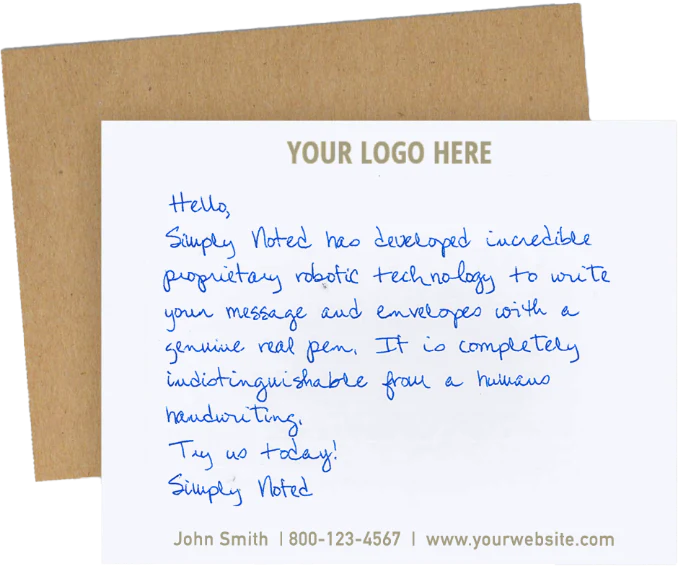
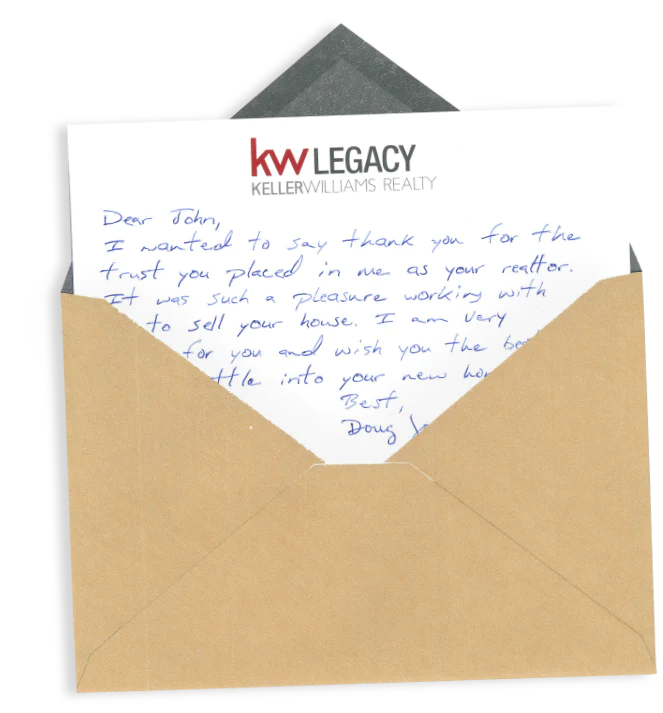
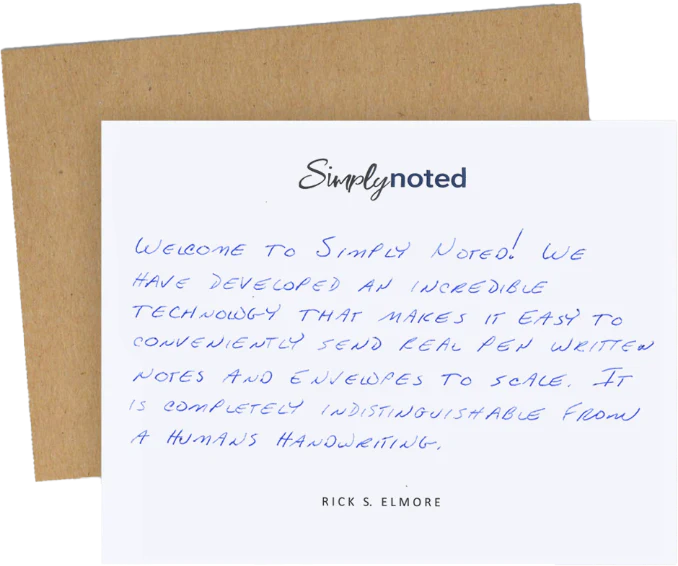
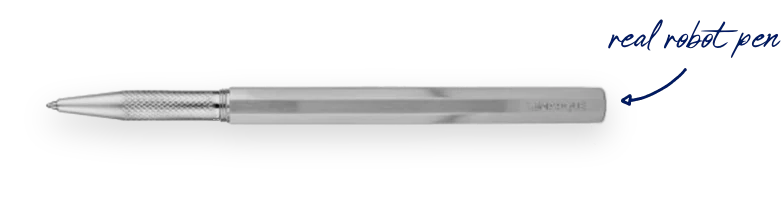
The next tier includes robotic pen-written cards. These use machines that hold a pen and physically write on paper. They often preserve some of the tactile quality of real handwriting and can look far more authentic than printed handwriting fonts. For many business uses, this tier offers a strong balance between efficiency and realism.
Below that are cards printed with handwriting-style fonts. These may look attractive at first glance, but they often lose emotional power once the recipient realizes the note was not actually handwritten. The illusion can weaken trust if the message feels too polished or too obviously mass-produced.
Recipients notice these differences because authenticity shapes emotional response. If a note feels real, it is more likely to create warmth, trust, and engagement. If it feels fake, the opposite can happen. The formats that preserve the personal touch best are the ones that keep visible signs of human effort while maintaining clarity, quality, and relevance. Even when technology supports the process, the goal should still be to protect what makes handwritten cards powerful in the first place: real human feeling.
See Also: Automated Birthday Cards That Still Feel Personal
Which Services Get It Right

Not every handwritten card service creates the same experience. Some focus on speed, while others focus only on appearance. The best services understand that authenticity, message quality, and emotional response matter most. If a card feels artificial, it loses much of its impact.
Strong platforms usually get three things right. They preserve the look of real handwriting, make the process simple, and allow enough flexibility for specific details. That balance helps handwritten cards feel natural, personal, and believable instead of mass-produced.
Quality also shapes perception. Good stationery, neat formatting, and readable handwriting all support authenticity. People are not just sending mail. They are building connections. That is why the right service, like SimplyNoted, turns handwritten outreach into something more memorable and meaningful.
What Makes a Handwritten Card Actually Effective
A handwritten card works best when it feels intentional from beginning to end. The message matters, but so do the details. Choosing stationery, using a clear pen, keeping straight margins, and avoiding smeared ink may seem small, yet they shape how polished and sincere the card feels.
Specific details make the biggest difference. A generic message may be pleasant, but it is rarely memorable. The strongest notes include something personal, relevant, and true. A shared memory, recent action, or milestone helps convey thoughts in a way that feels honest and meaningful.
Presentation should support the message, not distract from it. Illegible penmanship, crowded lines, and poor spacing can weaken the effect. The best cards combine science and art, blending effort, clarity, and personalization into something powerful.
Can Handwritten Cards Be Scaled Without Losing the Human Touch?
This is one of the biggest questions for modern businesses. The appeal of handwritten cards comes from their authenticity, yet many organizations want to utilize them across hundreds or thousands of contacts. That creates tension between scale and sincerity.
The answer depends on how the process is handled. Scale does not automatically destroy authenticity, but careless automation often does. If every card says the same thing, looks too perfect, or feels detached from the recipient, the human touch disappears. At that point, the card becomes just another form of marketing.
However, technology can support handwritten outreach in useful ways when it protects what matters most. It can simplify fulfillment, organize sending, and make timing easier. It can also help teams send handwritten notes consistently without adding overwhelming manual work each week. The key is to use technology as support, not as a replacement for thoughtfulness.
A scalable process still needs meaningful words, relevant timing, and enough personalization to make the message feel real. When those elements remain intact, businesses can create stronger connections while still operating efficiently. Scale works best when it preserves the emotional logic behind handwritten communication rather than flattening it.
Handwritten Notes Guide: Best Practices for Better Response

A strong handwritten notes guide starts with one core principle: make the message personal. People respond when they feel that the card was written for them, not for anyone. Even simple notes become more effective when they include specific details that reflect the relationship or situation.
Keep the note short, clear, and purposeful. A handwritten card does not need a long speech. In fact, overly long messages can dilute the point. A few sentences that express gratitude, recognition, or encouragement often work better than a paragraph filled with general language.
Mention something concrete. Thank the person for a recent meeting, a thoughtful gift, a helpful introduction, their support, or their role in a project. Specificity increases authenticity and helps the recipient connect emotionally with the words.
Match the tone to the context. Notes to family and friends can be warm and intimate. Business notes should still feel human, but they may need a more polished tone. In either case, the message should sound natural. Forced language weakens trust.
Timing matters too. A card sent soon after a meaningful event has stronger impact. Birthday notes, thank-you cards, follow-ups, and moments of encouragement all work best when the connection to the event is still fresh. Finally, remember that handwriting is part of the message. Neat presentation, readable writing, and thoughtful structure support the emotional effect of the card. The words matter, but the experience matters too.
See Also: Simply Noted Holiday Cards That Make a Lasting Impression
Final Thoughts: Why Handwritten Cards Continue to Work
The power of handwritten cards is not mysterious once the psychology is understood. They work because they feel human. They engage attention, signal effort, support memory, and activate emotional responses tied to trust, gratitude, and reciprocity. In a world dominated by speed and digital convenience, that human quality stands out even more.
The impact of handwritten notes comes from a mix of emotional science and social behavior. People respond because the message feels rare, authentic, and meaningful. Whether the card is sent to family, friends, clients, or prospects, the same principle holds true: when communication feels real, people care more.
That is why handwritten cards continue to matter. They do more than deliver words. They create moments. And in both personal relationships and business correspondence, those moments can make all the difference.
Make every message feel personal. Create authentic handwritten cards that build stronger connections and leave a lasting impression.
FAQs
Why do handwritten cards get more attention than digital messages?
Handwritten cards feel more personal, thoughtful, and rare. People are more likely to pause, read carefully, and remember a message that shows real effort.
What is the psychology of handwritten letters?
The psychology of handwritten letters is based on effort, human presence, and emotional connection. Handwriting feels more personal than typed text, which increases trust and meaning.
How does reciprocity bias direct mail work?
Reciprocity bias direct mail works when a thoughtful gesture makes the recipient want to respond. A handwritten note can encourage replies, goodwill, and stronger connections.
Are handwritten cards effective for businesses?
Yes. Handwritten cards can improve client relationships, follow-up, retention, and referrals because they feel authentic and more meaningful than generic marketing messages.
Why do handwritten notes feel more authentic?
Handwritten notes show visible effort, personal style, and human touch. That makes them feel more sincere, memorable, and emotionally powerful than printed or digital communication.