Thank You Cards for Donors | Meaningful Donor Appreciation Ideas
Simply Noted writes and mails real pen-and-ink cards for businesses. See handwritten thank you cards →
Thank You Cards for Donors: Why They Matter and How to Use Them Effectively
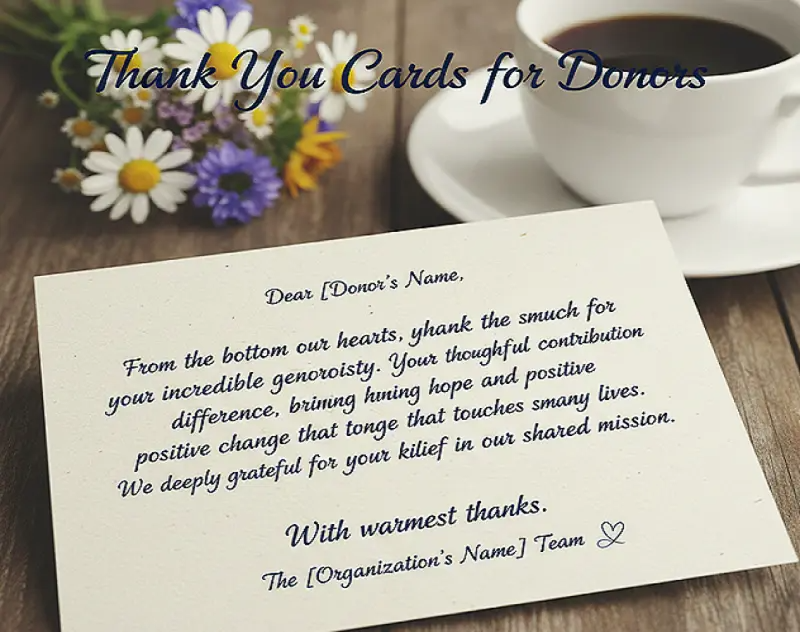
Thank you cards for donors play a huge part in successful fundraising efforts. They are not just polite gestures, they are powerful tools that help donors feel appreciated, valued, and connected to your mission. A thoughtful donor thank you card strengthens relationships, encourages future support, and shows genuine gratitude for every contribution, no matter the size.
When donors receive a meaningful thank you, they are more likely to continue supporting your organization long term. Appreciation, generosity, and trust work together to turn one-time gifts into lasting partnerships.
WHY THANK YOU CARDS FOR DONORS MAKE ALL THE DIFFERENCE
Gratitude is at the heart of fundraising. Many nonprofits focus heavily on campaigns, outreach, and donation goals, but donor appreciation is what keeps fundraising sustainable.
Donors want to know their gift mattered. A personal thank you card creates a moment where donors feel seen as a real person, not just a name in a donor database. This sense of recognition makes all the difference.
Consistent donor thank you notes lead to:
- Stronger relationships with donors
- Higher retention of recurring donors
- Increased likelihood of future support
- Positive emotional connection to your cause
For many nonprofits, especially small nonprofit organizations, donor gratitude is just as important as the fundraising campaign itself.
THANK YOU CARDS VS THANK YOU EMAILS
Both thank you cards donation and thank you email messages have their place. Choosing the right option depends on timing, donor type, and available resources.
A thank you email is super easy to send immediately after online donations. It works well for first-time donors, digital campaigns, and high-volume fundraising. Emails are fast, cost-effective, and useful for sharing tax receipt information.
However, thank you cards for donors leave a stronger lasting impression. Physical cards stand out, especially for major donors, recurring donors, and event-based contributions. They show extra effort and care.
Many nonprofits use both:
- Immediate thank you email
- Follow-up donor thank you card
This combination balances cost, effort, and personal touch.
WHO SHOULD RECEIVE A DONOR THANK YOU CARD
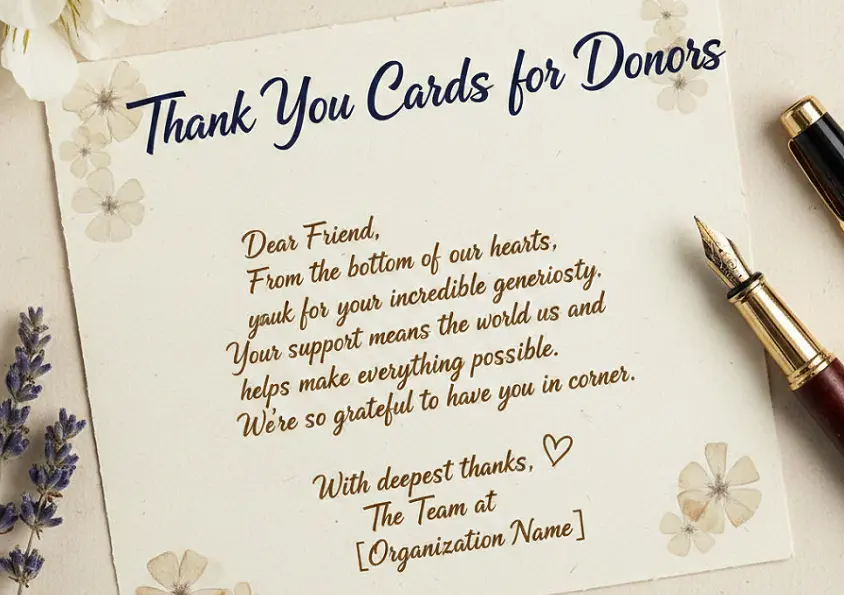
Every donor deserves appreciation, but some moments especially call for handwritten or printed cards.
First-Time Donors
First impressions matter. Sending a thank you card to first time donors helps them feel welcomed and appreciated right away.
Recurring Donors
Recurring donors are a huge part of long-term success. Regular thank-you notes reinforce loyalty and show that ongoing support does not go unnoticed.
Major Donors
Major donors often expect more personalized communication. A thoughtful thank you card to the donor acknowledges their generosity and impact.
Online Donations vs Event-Based Donations
Online donations benefit from quick thank you emails, while fundraising events are perfect opportunities for handwritten cards that reference the specific moment or event.
WHAT TO INCLUDE IN A THANK YOU CARD TO THE DONOR
A strong donor thank you card does not need to be long, but it should feel personal and meaningful.
Key elements to include:
- Donor name (avoid generic messages)
- Personal message expressing gratitude
- Reference to the specific fundraising campaign or event
- Description of the specific impact of their gift
- Mention of tax receipt or file details if needed
- Hope for continued support without pressure
Leave room for warmth and sincerity. A few thoughtful words can mean more than a long message.
DONATION THANK YOU WORDING: WHAT TO SAY AND WHAT TO AVOID
Choosing the right donation thank you wording is essential. The goal is to sound grateful, human, and sincere.
What to Say
- Thank the donor clearly and directly
- Mention how their contribution makes a difference
- Acknowledge generosity and effort
- Use a friendly, respectful tone
What to Avoid
- Overly formal or robotic language
- Focusing on money instead of impact
- Asking for another donation immediately
- Generic phrases without personalization
Many nonprofits make the mistake of rushing thank you notes. Taking extra time to write thoughtfully improves donor trust and appreciation.
DONATION THANK YOU EXAMPLES FOR DIFFERENT SITUATIONS
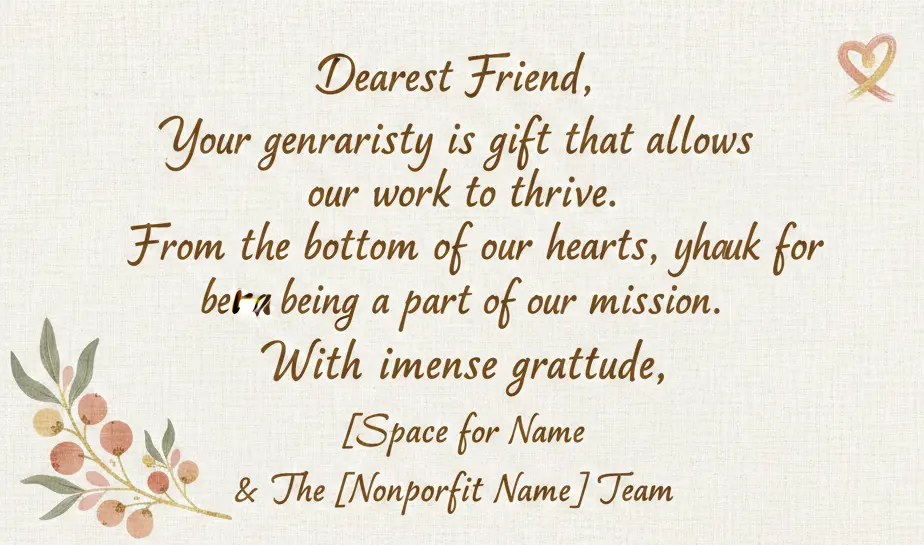
Below are simple donation thank you examples that can be adapted using templates or variable data.
Example for First-Time Donors
Thank you for your generous gift and for supporting our mission. Your contribution helps us create real change, and we are grateful to have you as part of our community.
Example for Fundraising Events
Thank you for joining us at our recent fundraising event. Your support made the event a success and helped us move closer to our goals.
Example for Online Donations
We sincerely appreciate your online donation. Your generosity helps us continue our work and positively impact lives every day.
Example for Major Donors
Thank you for your extraordinary contribution. Your support plays a critical role in advancing our mission, and we are deeply grateful for your partnership.
These donation thank you notes can be customized to reflect your organization’s voice and values.
THANK YOU MESSAGE FOR FUNDRAISING CAMPAIGNS
A well-crafted thank you message for fundraising campaigns should always reference the campaign’s success. Donors want to know their contribution mattered, so acknowledging whether the goal was reached, exceeded, or moved significantly closer helps reinforce their impact. Even simple language such as “your support helped make this campaign a success” builds a sense of shared achievement.
It is equally important to show donors the difference their gift made. Rather than focusing on the amount donated, explain the outcome, how many people were helped, what services were delivered, or what progress was achieved. Connecting donations to real-world results strengthens trust and emotional connection.
Encouraging continued support should be done gently and without pressure. Avoid immediately asking for another donation. Instead, express appreciation for being part of the journey and share hope for staying connected in the future. This approach keeps donors engaged while respecting their generosity.
HANDWRITTEN VS PRINTED THANK YOU NOTES
Handwritten thank you notes are especially valuable when the donation is significant or personal. They are worth the extra time for major donors, first-time donors, and supporters who gave during milestone moments. A handwritten note creates a personal, human connection that feels thoughtful and sincere.
Printed thank you notes are ideal for larger donor lists or recurring campaigns. They allow nonprofits to stay consistent and timely while managing limited resources. Using templates with variable data, such as donor name, campaign name, or gift type, helps maintain personalization even at scale. For inspiration, explore these sponsor thank you letter templates.
For organizations handling large volumes of donations, professional printing options can save time and reduce errors. Bulk printing ensures consistency while still allowing space for a handwritten signature or short personal line to add warmth.
See Also: Wishing You Peace and Strength for Difficult Times
HOW TO ORGANIZE THANK YOU NOTES USING A DONOR DATABASE
A donor database is essential for tracking donations and ensuring every supporter receives a thank you. Recording when a donation is received and when a thank you note is sent helps maintain accountability and prevents donors from being overlooked.
Managing donor data efficiently allows organizations to segment donors based on gift size, frequency, or campaign involvement. This makes it easier to tailor thank you messages and decide when a handwritten note is appropriate versus a printed or digital message.
Ensuring no donor is missed builds trust and credibility. Consistent tracking creates a reliable system where gratitude becomes part of the organization’s routine rather than an afterthought.
THANK YOU NOTE FOR FUNDRAISING DONATION: TIMING MATTERS
Timing plays a critical role in donor appreciation. Sending a thank you note immediately shows donors that their contribution was noticed and valued. Delayed gratitude can weaken the emotional impact of giving.
Best practices include sending an initial acknowledgment within 24 to 48 hours, followed by a more personalized message for larger or strategic donations. This layered approach balances speed with sincerity.
Creating a complete donor experience means viewing the thank you note as part of the overall journey. Prompt acknowledgment, followed by meaningful updates, reassures donors that their support is making a difference.
THANK YOU CARDS FOR DONORS IN SMALL NONPROFITS
Small nonprofits often operate with limited budgets and staff, but donor appreciation is still essential. Budget-friendly strategies such as handwritten cards, simple printed templates, or rotating thank-you responsibilities among staff can make a big impact.
Super easy systems help small teams stay consistent. Setting aside a short time each week to write thank you notes or batching them by campaign reduces stress and ensures gratitude remains a priority.
Making every donor feel valued does not require expensive materials. Thoughtful words, sincerity, and timely delivery are often more meaningful than polished design.
OTHER WAYS TO THANK DONORS BEYOND CARDS
While thank you cards are powerful, combining them with other appreciation methods strengthens donor relationships. Website recognition allows donors to see their names publicly acknowledged, reinforcing pride and connection.
Social media mentions can celebrate donor support while spreading awareness of the organization’s mission. Personal calls from staff or board members add a human touch that many donors deeply appreciate.
Annual appreciation messages, such as year-end letters or impact reports, help donors see the long-term results of their generosity and reinforce trust in the organization.
FINAL THOUGHTS: TURNING GRATITUDE INTO STRONGER RELATIONSHIPS
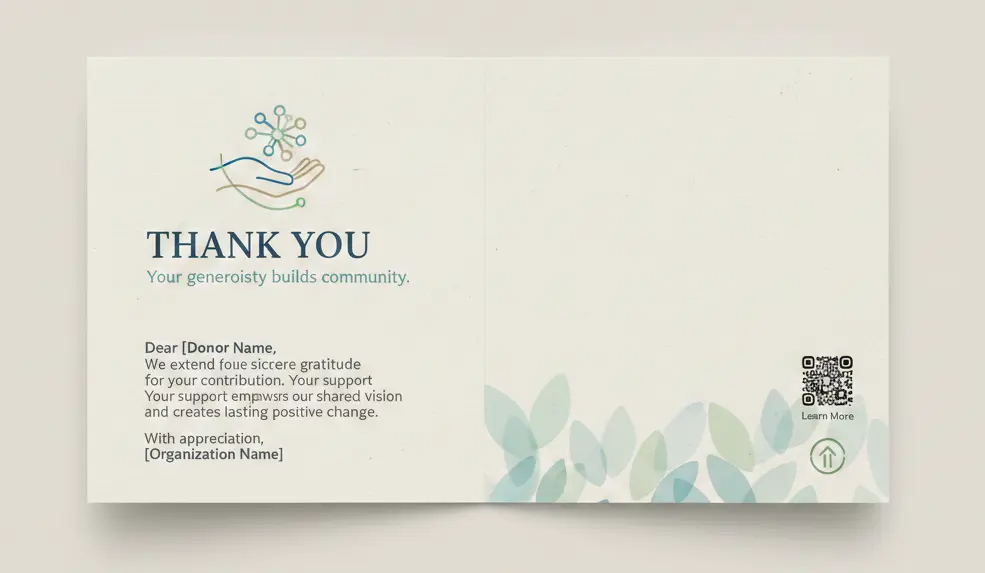
Thank you notes are a huge part of nonprofit success. They are not just polite gestures but foundational tools for building trust, loyalty, and long-term engagement.
Meaningful appreciation creates positive impact by making donors feel valued and connected to the mission. When donors understand the difference their support makes, they are more likely to continue giving and advocating for the cause.
Ultimately, consistent and thoughtful gratitude turns one-time donors into long-term partners, helping nonprofits grow stronger relationships and achieve lasting success.
SEE ALSO: Heartfelt Good Wishes: Perfect Messages for Every Occasion
FREQUENTLY ASKED QUESTIONS
How should nonprofits welcome new donors?
New donors should receive a timely, personal thank you that shows appreciation and explains the impact of their support. A thoughtful message helps new donors feel valued and welcomed into the organization’s community.
Can thank you messages feel personal without being expensive?
Yes. Your own thank does not have to cost much. Simple words of gratitude, handwritten notes, or thoughtful messages shared with friends, family, or supporters can be just as meaningful without adding financial worry.
Is donor appreciation only important for large businesses?
No. Donor appreciation matters for every organization, whether it is a small nonprofit or a large business. Gratitude builds trust, strengthens relationships, and encourages continued support at all levels.
Should nonprofits worry about thanking donors too often?
Nonprofits should not worry about expressing gratitude. Most donors appreciate being acknowledged, and regular thank you messages help maintain positive relationships without creating pressure or discomfort.