Realtor Letter of Introduction: Examples, Tips, and Templates
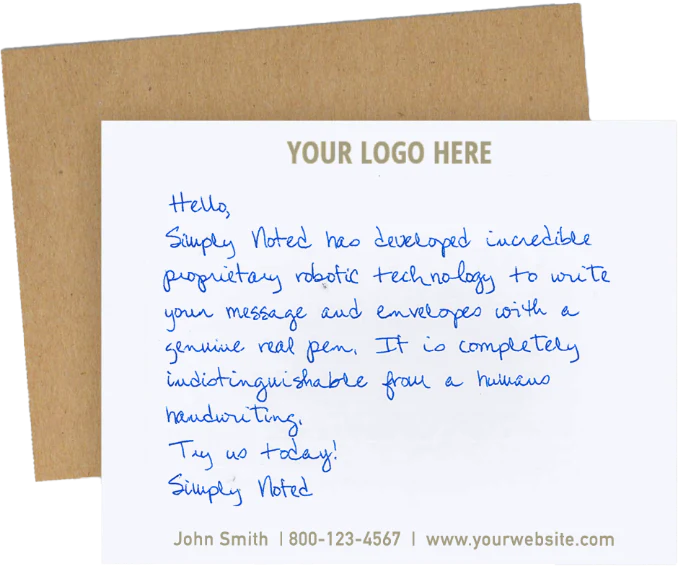
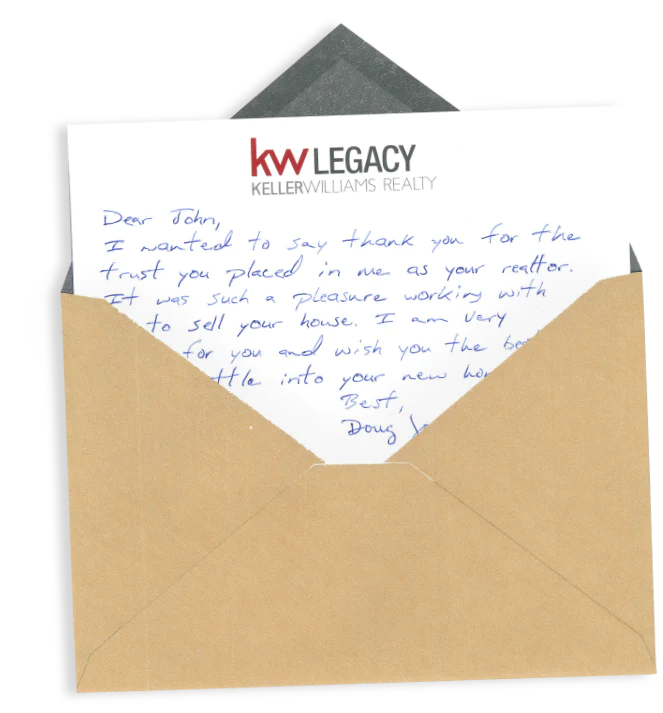
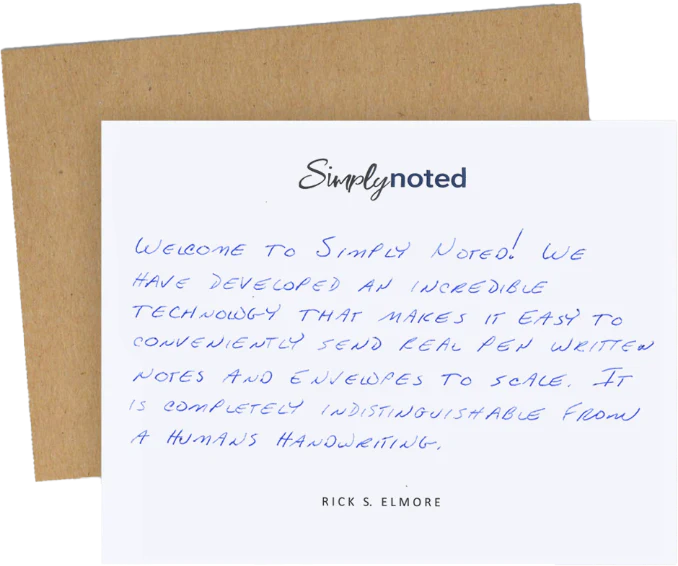
Simply Noted writes and mails real pen-and-ink cards for businesses. See handwritten real estate letters →
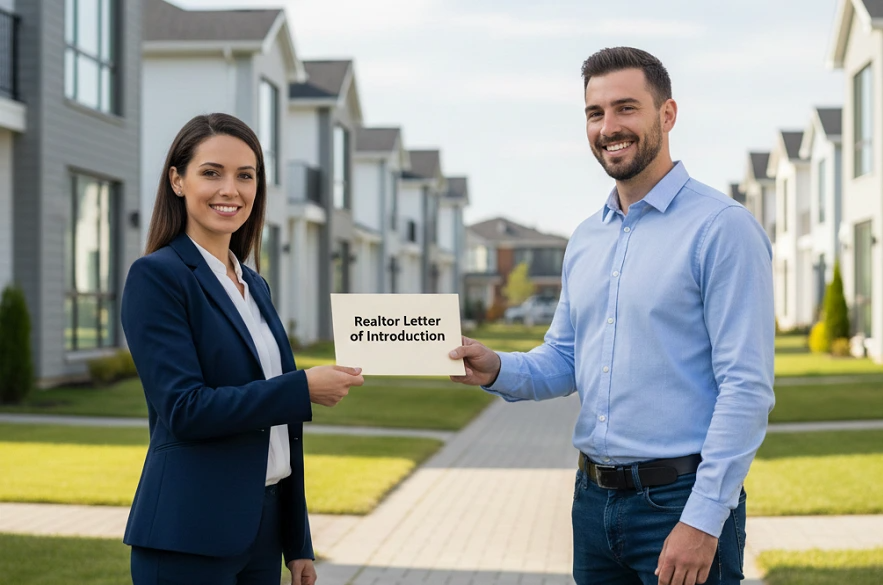
Realtor Letter of Introduction: How to Introduce Yourself and Win Clients
In today’s crowded market, first impressions matter more than ever. Homeowners are constantly exposed to ads, emails, and social media posts from agents competing for attention. Amid all that noise, a well-written realtor letter of introduction still stands out because it feels intentional and personal.
Unlike fast digital outreach, a letter slows the conversation down. It allows you to introduce yourself clearly, explain how you help, and begin building trust without pressure. When done right, it can grab attention in a respectful way and create a strong first connection with potential clients.
This guide breaks down exactly how to write a realtor letter of introduction that feels human, professional, and effective. You will learn what it is, who should use it, when to send it, and what makes it work in real-world real estate marketing.
See Also: 15 Ways to Say Thank You for Your Hospitality | A Thoughtful Guide
WHAT IS A REALTOR LETTER OF INTRODUCTION?
A realtor letter of introduction is a short, focused message used to introduce yourself to homeowners, buyers, or sellers in a specific area. It is a type of real estate introduction letter designed to start a relationship, not push a hard sale.
Unlike general marketing messages, introduction letters are written to feel personal and relevant. They explain who you are, what you do, and why you are reaching out, all in a conversational tone. A strong realtor introduction letter does not overwhelm the reader with listings or statistics. Instead, it creates curiosity and opens the door to future communication.
Introduction letters for realtors often work better than ads or social media when you want to build trust locally. They give recipients something tangible, easy to read, and easy to remember, especially when the message feels genuine and thoughtful.
WHO SHOULD USE A REALTOR INTRODUCTION LETTER?

A realtor introduction letter is useful for agents at every stage of their career. A licensed real estate agent building a local presence can use it to introduce themselves to homeowners in a new neighborhood. It helps establish credibility and visibility without being intrusive.
For a new agent entering a competitive local real estate market, a new realtor introduction letter is especially powerful. It allows you to explain your approach, commitment, and availability while setting realistic expectations. Being new does not have to be a weakness when framed with honesty and service.
Experienced agents and brokers can also benefit. A real estate agent introduction letter works well when expanding into new areas or repositioning your brand. A real estate broker introduction letter can highlight leadership, experience, and market knowledge while still keeping the tone approachable and local.
See Also : Wishing You Peace and Strength for Difficult Times
WHEN TO SEND A REALTOR LETTER OF INTRODUCTION?
Timing plays a major role in how effective your letter will be. One of the most common uses is prospecting in a new area, where a real estate prospecting letter helps you introduce yourself before homeowners are actively looking to sell.
Sending a letter after an open house is another smart opportunity. It reinforces your presence and reminds nearby property owners that you are active in the neighborhood. Reaching out to potential sellers, especially property owners with expired listings, can also be effective when the message focuses on help rather than pressure.
A realtor letter of introduction also works as a real estate welcome letter or realtor welcome letter when new homeowners move in. In all these situations, the goal of the prospecting letter is the same: start a conversation at the right moment.
WHAT MAKES A REALTOR LETTER OF INTRODUCTION EFFECTIVE?
The most effective letters feel personal, not promotional. Generic messages are easy to ignore, but a letter with a personal touch feels intentional. Writing in your own voice helps the message feel real and approachable, rather than scripted.
Authenticity is key. Homeowners want to feel they are connecting with a real person, not just another agent in a crowded market. When your letter reflects who you are and how you work, it becomes easier to build rapport and trust.
An effective realtor letter of introduction focuses on connection, not competition. It shows respect for the reader’s time, highlights how you can help, and positions you as someone worth talking to. That combination is what helps you stand out from other agents and start building long-term relationships.
KEY ELEMENTS EVERY REALTOR INTRODUCTION LETTER SHOULD INCLUDE
A strong realtor letter of introduction follows a clear structure that guides the reader naturally from interest to action.
a. A Strong Opening That Grabs Attention
The first sentence matters because it determines whether the letter gets read or ignored. Opening with great news, a recent neighborhood update, or a local market insight immediately shows relevance and value.
b. Clear Introduction of Who You Are
Early in the letter, clearly introduce yourself as a local real estate professional. Briefly mention your local expertise, the areas you serve, and the services offered so readers understand who you are and why you are reaching out.
c. Your Unique Selling Proposition
This is where you explain what sets you apart from other agents. Your unique selling proposition might be local market knowledge, hands-on service, or a smoother approach to the selling process. Keep it simple and focused on benefits.
d. Value for the Reader
Offer something useful, such as a free home valuation or a free consultation. A short reference to a comparative market analysis shows expertise without overwhelming the reader.
e. End with a clear call to action
End with a clear call to action. Invite readers to call, text, or email and let them know they can feel free to reach out anytime.
REALTOR LETTER OF INTRODUCTION EXAMPLES THAT CONVERT

Examples make it easier to understand what works. Realtor introduction letter examples help both new and experienced agents see how tone, structure, and wording come together in a real message.
Some real estate agent introduction letter examples are short and direct, ideal for busy homeowners who want quick clarity. A short intro letter for a real estate agent might focus on one service and a single call to action.
Other examples take a friendly neighborhood approach. These letters feel conversational, reference the local area, and aim to build rapport first. In contrast, a more professional tone works well for higher-end markets or broker-level outreach.
Reviewing multiple examples allows you to choose a style that fits your personality and audience. The most effective example is one that feels natural, clear, and focused on starting a conversation rather than forcing a decision.
See Also: Thanks for the Training | Professional Appreciation Messages
REALTOR LETTER OF INTRODUCTION SAMPLE (FULL EXAMPLE)
Below is a sample real estate introduction letter written in a conversational, human tone.
Hello,
My name is Alex Carter, and I am a local real estate agent serving the Oakwood area. I wanted to take a moment to introduce myself and let you know I am available as a resource for any real estate questions you may have.
I work closely with homeowners to make buying and selling homes a smooth and informed process. Whether you are thinking about selling now or simply curious about your home’s value, I would be happy to provide a free home valuation or share local market insights.
If you would like to talk, feel free to call or text me at (555) 000-000. I have also included my business card with my contact details for your convenience.
I look forward to connecting.
This realtor introduction letter sample shows how to be professional, friendly, and clear.

A new real estate agent introduction letter should focus on confidence, service, and availability. Being new does not mean lacking value. It means offering energy, attention, and commitment.
When writing an introduction letter for a new real estate agent, address trust directly. Be transparent about your role while emphasizing your training, support system, and dedication to client service. Many homeowners value responsiveness and care just as much as years of experience.
A new real estate agent intro letter should reassure readers that they will receive guidance, clear communication, and consistent follow-up. Focus on how you support clients, stay informed on the market, and prioritize their goals. Confidence comes from clarity and sincerity, not exaggeration.
REALTOR LETTER OF INTRODUCTION FOR SELLERS
A realtor letter of introduction for sellers should speak directly to potential sellers and their goals. Focus on selling property at the right price and navigating today’s market with confidence.
Explain how you help homeowners understand the selling process, from pricing strategy to closing. Mention your approach to selling homes, market timing, and negotiation in a clear and reassuring way.
Position yourself as a guide who simplifies decisions and protects their interests. When potential sellers feel informed and supported, they are more likely to take the next step and start a conversation.
REALTOR LETTER OF INTRODUCTION FOR BUYERS
A realtor letter of introduction for buyers should focus on building trust and clarity from the very beginning. Potential buyers often feel overwhelmed, especially if it is their first time navigating the market. Your letter should reassure them that they have a knowledgeable guide on their side.
Explain how you help clients understand their real estate needs, narrow down options, and find the right property without unnecessary pressure. Emphasize listening, availability, and clear communication. Buyers want to know that you will advocate for their interests throughout the buying and selling process.
By addressing common concerns and outlining how you support clients step by step, you create confidence early in the journey. A thoughtful introduction helps potential buyers feel comfortable reaching out and starting a conversation.
HOW TO DELIVER YOUR REALTOR INTRODUCTION LETTER
Delivery plays a major role in how your letter is received. Direct mail printed on high quality paper often feels more personal and intentional than digital-only outreach. It shows effort and helps your message stand out, especially when you use handwritten direct mail.
To increase visibility, combine letters with multiple channels. Support your outreach with social media posts, light follow up through text messages, or a brief email reminder. This reinforces your message without being repetitive.
Follow up is essential. A single letter creates awareness, but thoughtful follow up creates connection. Whether through a second mailing or a quick check-in, consistent communication helps keep your name top of mind.
COMMON MISTAKES REALTORS MAKE WITH INTRODUCTION LETTERS

One common mistake is talking too much about yourself. While it is important to introduce who you are, the focus should remain on the reader and their needs. Another issue is failing to include a clear call or next step, which leaves readers unsure how to respond.
Sounding robotic or overly salesy can weaken trust. If the message does not feel natural, it will likely be ignored. Forgetting contact details is another costly oversight. Always make it easy for readers to reach you.
How you write your letter directly affects the impression it creates.
HOW A REALTOR LETTER OF INTRODUCTION HELPS YOU GET MORE BUSINESS
A strong realtor letter of introduction turns simple outreach into real conversations. Instead of pushing for immediate action, it opens the door to dialogue. Over time, this approach helps you build trust with many homeowners and buyers.
Consistent, thoughtful letters create a lasting impression that digital ads often fail to achieve. As trust grows, so does your opportunity for referrals and repeat clients. In a competitive industry, this strategy helps you stay ahead of other agents.
Ultimately, letters support long-term business growth by strengthening relationships rather than chasing quick wins.
FINAL THOUGHTS: WRITING A REALTOR LETTER THAT FEELS HUMAN
Authenticity always wins. The most effective realtor letters are written in your own voice and reflect how you truly work with people. When you introduce yourself honestly, readers are more likely to feel a genuine connection.
Focus on building a personal connection rather than closing a deal. Letters are about starting relationships, not transactions. When homeowners and buyers feel understood, they become interested in learning more.
Write clearly, stay human, and remember that every letter is the first step toward a meaningful professional connection.
FAQ'S:
How to write a realtor introduction letter?
To write a strong realtor introduction letter, keep it clear, personal, and focused on helping the reader. Introduce who you are, mention how you assist with selling real estate, and explain how you make the process easier. Use a simple letter template, include your phone number, and focus on building trust rather than promoting yourself too heavily.
How do you introduce yourself as a realtor?
Introduce yourself by briefly stating your role, local focus, and how you help people reach their real estate goals. Keep the message conversational and client-focused. Whether you are reaching out to many clients or contacting an expired listing, the goal is to build relationships, not push a sale.
What do you write in a letter of introduction?
In a letter of introduction, explain who you are, why you are reaching out, and how you can help. Effective real estate letters focus on value, clarity, and approachability. Mention your experience, availability, and next steps, and make it easy for readers to contact you with clear details.
How do you introduce yourself as a real estate agent text message?
A real estate agent text message should be short and respectful. Introduce yourself, state your purpose, and include your phone number for easy follow-up. Keep it friendly and direct, similar to outreach strategies recommended by platforms like Wise Pelican, and avoid overwhelming the reader with too much information.