The Complete Guide to Writing Professional Business Letters That Get Results
Simply Noted writes and mails real pen-and-ink cards for businesses. See handwritten notes for business →
In today's digital-first business environment, the traditional business letter remains a powerful tool for formal communication. Whether you're reaching out to potential clients, following up with existing customers, or addressing important business matters, understanding how to craft an effective business letter can significantly impact your professional success.
What is a Business Letter and Why Does It Still Matter?
A business letter is a formal written communication between organizations, individuals, or a combination of both for professional purposes. Unlike casual emails or instant messages, a business letter follows specific formatting conventions and maintains a professional tone throughout.
Despite the prevalence of digital communication, business letters continue to hold significant value in professional settings. They demonstrate professionalism, create lasting documentation, and often carry more weight than their electronic counterparts. Research shows that physical correspondence has a 70% higher recall rate than digital communications, making it an invaluable tool for important business communications.
The formality of a business letter signals respect for the recipient and the importance of the message being conveyed. This makes them particularly effective for contract negotiations, official announcements, complaint resolutions, and relationship-building initiatives.
Essential Components of a Professional Business Letter
Every effective business letter contains several key components that work together to create a professional, coherent message.
Header and Contact Information
The header of your business letter should include your complete contact information: full name, title, company name, address, phone number, and email address. This information typically appears at the top of the letter, either centered or aligned to the left margin.
For companies with established letterhead, this information is often pre-printed, maintaining brand consistency and professional appearance. The header serves as an immediate identifier and provides recipients with multiple ways to respond to your correspondence.
Date and Inside Address
The date should be written in full format (e.g., January 15, 2024) and positioned below your header information. Following the date, include the recipient's complete address, known as the inside address. This includes their name, title, company name, and full mailing address.
Proper addressing demonstrates attention to detail and ensures your letter reaches the intended recipient. Always verify spelling of names and accuracy of addresses before sending.
Salutation and Body Content
The salutation sets the tone for your entire letter. "Dear Mr./Ms. [Last Name]" remains the most professional choice when you know the recipient's name. If the recipient's name is unknown, "Dear Hiring Manager" or "Dear Customer Service Team" are acceptable alternatives.
The body of your business letter should be clear, concise, and organized logically. Start with a brief introduction stating your purpose, follow with supporting details in the middle paragraphs, and conclude with your desired action or next steps.
Professional Closing and Signature
End your letter with a professional closing such as "Sincerely," "Best regards," or "Respectfully yours." Leave space for your handwritten signature above your typed name and title.
The signature adds a personal touch and authenticity to your correspondence, distinguishing it from purely digital communications.
Common Types of Business Letters and Their Purposes
Business letters serve various purposes across different industries and situations:
Inquiry Letters seek information about products, services, or opportunities. These letters should be specific about what information you need and why.
Complaint Letters address problems or concerns with products or services. Effective complaint letters remain professional while clearly stating the issue and desired resolution.
Sales Letters promote products or services to potential customers. These letters must balance promotional content with genuine value for the recipient.
Follow-up Letters maintain contact after meetings, interviews, or initial communications. They demonstrate professionalism and keep important conversations moving forward.
Thank You Letters express gratitude for business relationships, opportunities, or services received. These letters strengthen professional relationships and encourage future collaboration.
Business Letter Format: Block vs. Modified Block Style
Two primary formatting styles dominate business letter writing:
Block Format aligns all text to the left margin, creating a clean, modern appearance. This format is widely accepted and easy to execute consistently.
Modified Block Format centers the date and closing elements while keeping other components left-aligned. This style offers a more traditional appearance while maintaining readability.
Both formats are professionally acceptable. Choose the style that aligns with your company's preferences and maintain consistency across all correspondence.
Best Practices for Writing Compelling Business Letters
Effective business letter writing requires attention to both content and presentation:
Be Concise and Clear: Respect your reader's time by getting to the point quickly. Use short paragraphs and bullet points when appropriate to improve readability.
Maintain Professional Tone: Even when addressing complaints or concerns, maintain a respectful, professional tone throughout your letter.
Proofread Carefully: Errors in business letters can damage your professional credibility. Review grammar, spelling, and formatting before sending.
Use Quality Materials: When printing business letters, use high-quality paper and professional printing to reinforce your message's importance.
Follow Up Appropriately: If your letter requires a response, establish reasonable timelines and follow up professionally when necessary.
Modern Alternatives: When Handwritten Notes Outperform Traditional Business Letters
While traditional business letters remain important, handwritten correspondence often achieves superior results in building relationships and driving responses. Handwritten notes for customer retention have proven particularly effective in maintaining long-term business relationships.
Handwritten correspondence offers several advantages over typed business letters:
Higher Response Rates: Handwritten mail achieves response rates of 30-50%, compared to 1-3% for digital communications and standard printed mail.
Emotional Connection: The personal touch of handwriting creates stronger emotional connections with recipients, leading to better business relationships.
Memorability: Physical handwritten notes are more likely to be kept and referenced later, extending their impact beyond the initial reading.
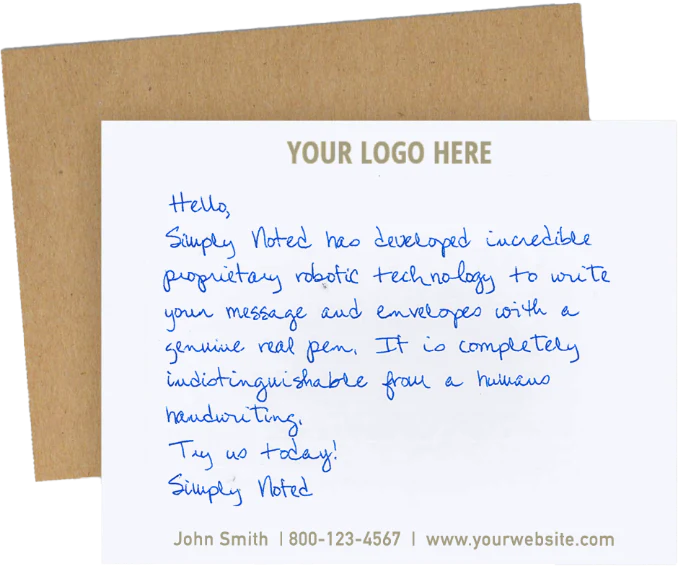
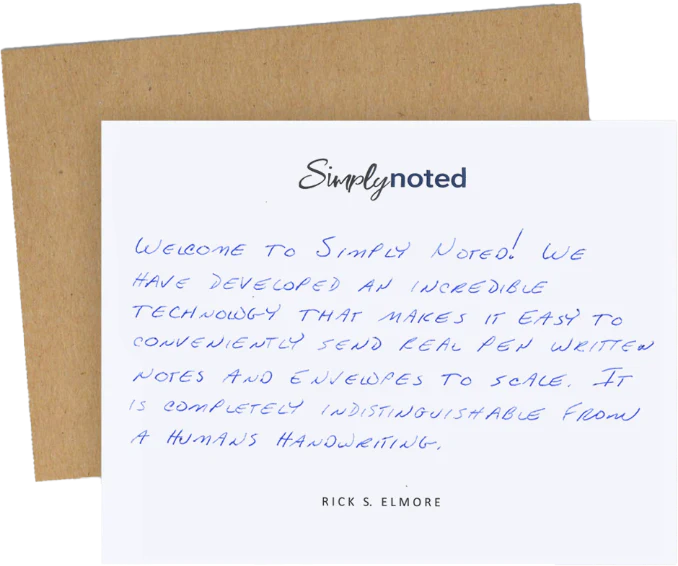
For businesses looking to leverage handwritten communication at scale, Simply Noted's handwriting service combines the personal touch of handwriting with the efficiency needed for business operations.
Financial advisors using handwritten notes report significant improvements in client retention and referral generation compared to traditional business letters alone.
The key is knowing when to use each format. Traditional business letters work well for formal documentation, contracts, and official communications. Handwritten notes excel in relationship building, thank you messages, and personal touches that strengthen business connections.
Insurance agents have found particular success using handwritten notes to complement their formal business correspondence, creating a comprehensive communication strategy that addresses both professional requirements and relationship building.
For businesses managing large customer bases, automated handwritten note services make it possible to maintain the personal touch of handwritten correspondence while achieving the scale necessary for modern business operations.
Conclusion: Elevating Your Business Communication Strategy
Mastering the business letter remains essential for professional success, but the most effective communication strategies combine traditional formal letters with modern handwritten alternatives. Understanding when and how to use each format allows you to maximize impact while maintaining professional standards.
Whether you're writing a formal complaint, following up on a business opportunity, or building customer relationships, the principles of clear, professional communication apply across all formats. The key is choosing the right medium for your message and audience.
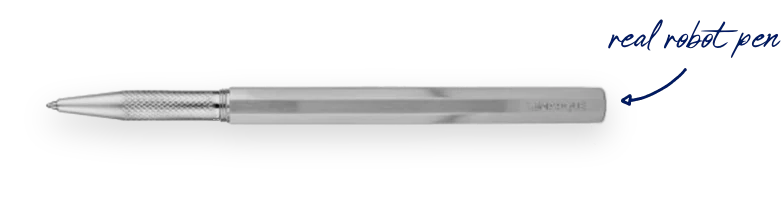
Ready to enhance your business communication with the proven impact of handwritten correspondence? Discover how Simply Noted can help you combine the professionalism of business letters with the personal touch that drives real results. Our proprietary technology makes it possible to send authentic handwritten notes at scale, giving you the best of both traditional and modern communication approaches.