Handwritten Direct Mail ROI: Statistics, Case Studies & Comparisons
Simply Noted writes and mails real pen-and-ink cards for businesses. See handwritten direct mail →

Handwritten Direct Mail ROI — Statistics, Case Studies, and Service Comparison
Direct mail ROI keeps getting more attention because many businesses are tired of weak engagement across crowded digital channels. Emails go unread, digital ads get ignored, and social feeds move too fast. In contrast, physical mail enters a quieter space. It arrives in the physical mailbox, asks for more cognitive effort, and often receives more attention than digital communication.
That difference matters because direct mail delivers something digital campaigns often struggle to create: presence. A direct mail piece can sit on a desk, stay on a counter, or get passed to someone else. It becomes part of the customer journey in a more visible way. For savvy marketers, that physical presence can support stronger recall, better response rates, and more measurable results over time.
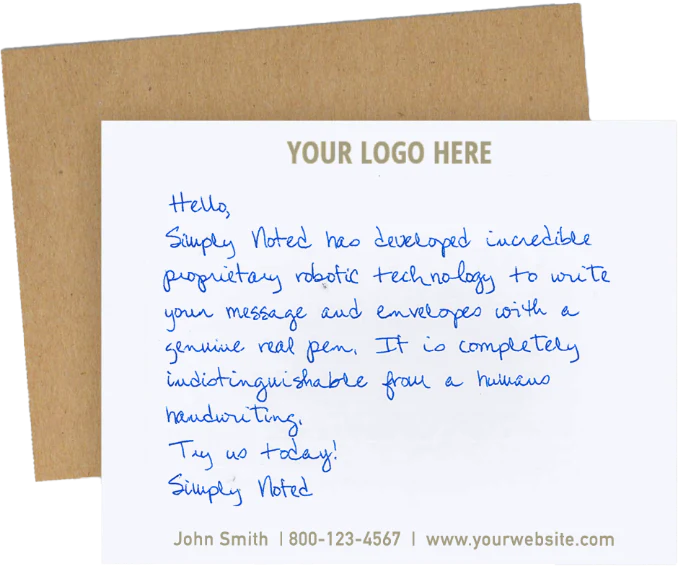
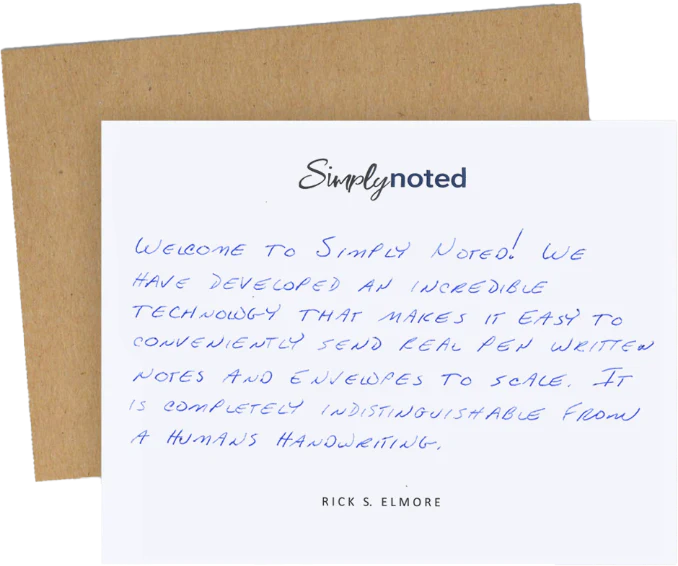
Handwritten mail adds another layer. It introduces a human touch and a personal touch that standard marketing mail often lacks. A handwritten note, handwritten letters, or a carefully prepared envelope can create emotional resonance that helps captivate audiences. Simply Noted enhances customer relationships through the unique power of authentic handwritten notes, making it easier for businesses to turn direct mail marketing into a more personal, high-performing channel.
See Aso: 9 Proven Ways to Win Back Lost Customers
Why Direct Mail ROI Still Matters in a Digital-First World
Many marketers assume digital channels should always win because automation makes them fast and low-cost. But lower cost does not automatically mean higher ROI. When digital overload reduces attention, even a cheap click can become expensive if it fails to create action. Direct mail ROI matters because results depend on what drives response, purchase behavior, and revenue, not only on what is easiest to send.
Consumer behavior has shifted in a way that actually helps physical mail stand out. People spend so much time filtering digital communication that a well-designed mail piece can feel refreshingly different. Direct mail makes the experience more tangible. It gives the recipient something to hold, review, and remember. That matters when the goal is not just exposure, but movement toward a purchase or stronger customer loyalty.
Direct mail marketing also plays a strong role across the full customer journey. It can support lead generation, reactivation, upsells, retention, and referral campaigns. Instead of competing directly with cold emails and fleeting ads, it offers a more deliberate touchpoint. When combined with personalization, direct mail performance often improves because consumers feel the brand invested real effort in reaching them.
What Direct Mail ROI Actually Means
Direct mail ROI refers to the return a business earns from its direct mail spend compared with the total amount invested in the campaign. That includes printing, writing, postage, list costs, design, labor, and service fees. If a campaign produces strong revenue, website visits, qualified leads, or repeat sales beyond its cost, the ROI is positive and worth repeating in future campaigns.
But smart marketers do not measure ROI only by immediate sales. Direct mail can also increase customer lifetime value, improve retention, and influence purchase decisions later in the customer journey. A campaign may generate a response today and revenue weeks later. That is why direct mail performance should be tied to broader business outcomes, not just one-day conversion snapshots.
Handwritten letter ROI can be even more meaningful when the mail supports relationship-building instead of pure prospecting. A handwritten note sent after a first purchase, meeting, or referral can strengthen trust in ways that create future revenue. The best analysis looks at both direct returns and longer-term impact, especially when the goal is customer loyalty and sustained brand growth.
Direct Mail Statistics That Support the Channel
Direct mail statistics continue to attract attention because they show that physical mail still earns attention in a crowded market. Research shows people often notice mail more deliberately than digital messages because it enters the home physically and demands more focus. That cognitive effort can make a direct mail piece more memorable, especially when compared with quick-swipe digital communication.
Direct mail open rates are also discussed more often than many people expect. While digital marketers obsess over email opens, physical mail is generally seen by the recipient unless it is thrown away immediately. That visibility gives direct mail a unique advantage. It has a natural chance to be reviewed, touched, and considered, which supports better response rates than many marketers assume at first.
Handwritten mail statistics are especially compelling because personalization often improves attention and emotional impact. Consumers feel more valued when messages appear personal rather than mass-produced. A handwritten note response rate may outperform standard printed mail in certain campaigns because the human connection is clearer. That is why direct mail delivers value not only through reach, but through how deeply the message lands.
SEE ALSO: How to Impact People With Handwritten Cards
Why Handwritten Mail Often Produces Higher ROI

Handwritten mail tends to stand out because it signals effort. In a world of automated marketing, a handwritten note feels more intentional. Even before the envelope is opened, the recipient may assume the message is more personal. That first impression can improve open rates, increase curiosity, and create a stronger emotional response than a standard self mailer or printed direct mail piece.
That emotional effect matters because ROI is shaped by attention and trust. If a mail piece creates human connection, recipients are more likely to read it fully, remember the brand, and act on the message. Handwritten letters are especially useful when businesses want to nurture existing customers, recover inactive buyers, or follow up after meetings. In these cases, the handwritten letter ROI can be higher because the message feels less like advertising and more like relationship-building.
Personalization is another major driver. Handwritten mail can include names, context, custom messages, and thoughtful timing. That makes the recipient feel seen rather than targeted. When consumers feel recognized, conversion rates often improve. This is why savvy marketers continue investing in handwritten mail even while expanding digital campaigns. The personal touch can make the difference between a message that gets ignored and one that drives measurable results.
Direct Mail Conversion Rates vs Digital Channels
Direct mail conversion rates are often evaluated against email, paid search, and social media, but the comparison is not always simple. Digital channels are fast, scalable, and easy to track. However, they also face strong competition, ad fatigue, and shrinking attention spans. A direct mail campaign may cost more upfront, but if it creates better action per recipient, the overall ROI can still be stronger.
The best response rate usually comes from matching the format to the audience and offer. For example, house lists often perform better than cold outreach because the recipient already knows the brand. In those cases, handwritten mail may outperform standard digital communication because it adds warmth to an existing relationship. That can increase website visits, calls, redemptions, and repeat purchase behavior more effectively than another email reminder.
Direct mail makes more sense when the message needs emotional impact, local visibility, or a premium brand feel. Digital ads can support awareness, but physical mail can push the recipient toward real consideration. Rather than treating channels as opponents, many marketers now combine them. A direct mail piece can support digital campaigns by increasing recall, improving trust, and making later digital touchpoints more effective.
Service Comparison: Handwritten, Printed, and Hybrid Options
Businesses exploring direct mail marketing usually compare three main service types: fully handwritten mail, standard printed mail, and hybrid systems. Fully handwritten mail focuses on authenticity and emotional impact. It is often used for thank-you letters, referral follow-up, retention, and premium outreach. The biggest strength is the human touch, but it may require more investment and more coordination for larger campaigns.
Printed mail is efficient, scalable, and often easier on the marketing budget. It works well for postcards, promotions, notices, and high-volume campaigns where speed matters. A printed direct mail piece can still perform well with strong copy, a smart offer, and the right audience. However, it often lacks the personal touch that helps handwritten mail stand out inside the physical mailbox.
Hybrid options sit in the middle. These services combine automation, personalization, and a handwritten appearance to balance scale with impact. For many businesses, that middle ground offers higher ROI because it preserves emotional resonance without making the process overly manual. That balance is one reason brands turn to providers like Simply Noted when they want direct mail performance with stronger efficiency and more authentic presentation.
SEE ALSO: Why Handwritten Direct Mail Improves Response Rates
Case Study Example 1: Customer Retention After a First Purchase
Imagine an ecommerce brand that wants to improve repeat purchase behavior among first-time buyers. Instead of sending only automated email flows, the brand adds a handwritten note shortly after delivery. The note thanks the customer, acknowledges the purchase, and encourages them to stay in touch. The direct mail spend per customer is higher than email, but the goal is not only one more order. It is stronger customer loyalty and better customer lifetime value.
The result in this type of campaign is often improved retention behavior. A thoughtful message feels unexpected, which can make the brand more memorable. Consumers feel appreciated rather than processed. Even if only a portion of recipients buy again, the higher average value from retained customers can make the handwritten letter ROI very attractive. This is especially true when the business sells products with repeat purchase potential.
The key takeaway is that ROI improves when the message aligns with relationship stage. A handwritten note works well here because the customer already knows the brand. The mail adds emotional impact at exactly the right moment. That kind of timing can support future campaigns, improve review rates, and strengthen loyalty in ways that digital communication alone may not match.
Case Study Example 2: Sales Follow-Up for Warm Prospects
Consider a B2B team following up with warm prospects after meetings, demos, or trade shows. Instead of relying only on cold emails or generic nurture sequences, the company sends handwritten letters to selected prospects. The note references the earlier conversation, highlights one useful point, and invites the prospect to reconnect. Because the message feels personal, it often stands out from the rest of the prospect’s inbox and mailbox.
In this kind of campaign, the total number of pieces may be low, but the potential revenue per conversion is high. That changes the ROI math. A single response can cover the total amount spent on dozens of letters. When direct mail delivers even a half-dozen high-quality conversations from a warm list, the campaign can outperform broader digital campaigns on a revenue basis.
This example shows why marketers should not judge direct mail only by volume. Some campaigns win because they produce high-value actions from a smaller audience. Handwritten mail statistics are especially relevant here because the human connection supports trust. In a sales environment where timing and memory matter, a handwritten note can move the conversation forward more effectively than another automated message.
How to Improve Direct Mail ROI

The first step is choosing the right audience. House lists usually outperform broad rented lists because existing customers and warm leads already know the brand. That familiarity lowers resistance and improves response rates. Strong segmentation also helps. A handwritten mail campaign sent to the right half of a customer base often performs better than a broad campaign sent to everyone with the same message.
The second step is personalization. A generic mail piece may get noticed, but a personal message is more likely to create action. Use names, context, relevant timing, and a clear offer. Match the envelope, format, and writing style to the brand and recipient. Handwritten letters and handwritten notes work best when they feel genuine, not artificially customized. The human touch should feel natural rather than staged.
Finally, track what matters. Measure response rates, conversion rates, website visits, average order value, repeat purchase behavior, and long-term revenue. Compare direct mail performance across formats, audiences, and offers. This data helps marketers allocate the marketing budget more intelligently. The higher ROI often comes not from sending more mail, but from sending better mail with sharper targeting and stronger follow-through.
SEE ALSO: Why Businesses Should Send More Handwritten Notes
Where Simply Noted Fits Into the ROI Conversation

Many businesses like the idea of handwritten mail but worry that the writing, mailing, and tracking process will become too slow. That is where service choice matters. Simply Noted helps businesses bring a personal touch into direct mail campaigns without creating unnecessary friction. It supports brands that want measurable results, efficient workflows, and a more authentic presentation than standard printed mail often provides.
This matters because direct mail ROI improves when execution becomes consistent. A service that helps with personalization, scale, and workflow can reduce wasted effort and support better future campaigns. Instead of forcing internal teams to handle every note manually, businesses can maintain the emotional resonance of handwritten outreach while operating more efficiently and professionally.
Simply Noted enhances customer relationships through the unique power of authentic handwritten notes. That positioning makes sense in today’s marketing environment, where human connection often drives stronger performance than generic automation alone. For brands that want direct mail marketing to feel personal, strategic, and scalable, the service comparison increasingly points toward solutions that protect both impact and efficiency.
Final Thoughts
Direct mail ROI is not just about cost per piece. It is about what the message earns in attention, trust, response, and revenue. Direct mail delivers value because it enters a less crowded space, invites more focus, and supports stronger recall. When marketers pair that advantage with personalization, the results can be impressive across retention, reactivation, prospecting, and customer loyalty campaigns.
Handwritten mail raises that value further by adding emotional impact and human touch. It helps businesses stand out in a world of digital overload and can create higher response rates when used thoughtfully. Whether the goal is more purchase behavior, stronger loyalty, or better direct mail conversion rates, the right handwritten strategy can make a real difference to the business and brand.
The smartest approach is not to choose between physical mail and digital channels blindly. It is to understand where each channel performs best. For many marketers, the higher ROI comes from using direct mail marketing where personal connection matters most. That is why handwritten notes continue to earn attention, and why authentic mail still deserves a place in a modern marketing budget.
Ready to turn direct mail into real relationship-building? See how Simply Noted helps you send authentic handwritten notes that feel personal and drive better results.
FAQs About Direct Mail ROI
What is direct mail ROI?
Direct mail ROI measures how much revenue or value a campaign generates compared with the total investment put into it. In marketing, this includes printing, postage, writing, and list costs. Good research helps businesses track whether direct mail is producing real returns.
Why can direct mail still deliver strong ROI?
Direct mail can perform well because it reaches people in a less crowded space than many digital channels. When a message arrives at the average household, it often gets more attention. That stronger visibility can improve response, support marketing goals, and increase overall ROI.
Does handwritten direct mail improve ROI?
In many cases, yes. Handwritten direct mail can increase engagement because it feels more personal and thoughtful. That human touch often supports better response rates, which can make the investment more effective. For many marketing campaigns, stronger attention leads to stronger direct mail ROI.
How can businesses improve direct mail ROI?
Businesses can improve direct mail ROI by using better audience targeting, stronger personalization, and clear campaign goals. Good research, smart investment, and consistent tracking all matter. In marketing, the best results usually come from sending the right message to the right people at the right time.