Sympathy Messages: How to Write Meaningful Condolence Notes That Provide Genuine Comfort
The Power of Written Sympathy Messages in Times of Loss

When someone experiences the loss of a loved one, finding the right words to express sympathy can feel overwhelming. Yet sympathy messages serve a crucial role in the grieving process, offering comfort, support, and acknowledgment of loss during one of life's most difficult moments. Whether you're writing to a close friend, family member, or professional colleague, your thoughtful words can provide meaningful solace when it's needed most.
Research consistently shows that handwritten sympathy notes have a significantly greater emotional impact than digital communications. A study by the University of Texas found that recipients of handwritten condolence messages reported feeling 23% more supported and valued compared to those who received electronic sympathy messages. This heightened emotional response stems from the tangible nature of handwritten notes, which recipients often keep as cherished mementos of support during their darkest hours.
The act of writing sympathy messages by hand also demonstrates a level of intentionality and care that digital messages simply cannot match. When someone takes the time to select stationery, craft thoughtful words, and physically write a note, it signals genuine concern and respect for the grieving person's loss. This personal touch becomes even more meaningful in our increasingly digital world, where authentic human connection feels increasingly rare.
Essential Elements of Effective Sympathy Messages

Crafting meaningful sympathy messages requires careful consideration of both content and delivery. The most impactful condolence notes share several key characteristics that distinguish them from generic expressions of sympathy.
First, effective sympathy messages acknowledge the specific loss and the relationship between the deceased and the bereaved. Rather than using vague language like "sorry for your loss," meaningful messages reference the person who died and their significance. For example, "I was deeply saddened to learn of your mother's passing" immediately establishes the specific nature of the loss and shows you understand its personal impact.
Second, genuine sympathy messages share a specific memory or quality about the deceased when appropriate. This personal touch demonstrates that the person's life had meaning and impact beyond their immediate family. Sharing a brief, positive memory shows that you valued the person who died and helps celebrate their life rather than focusing solely on the loss.
Third, effective condolence notes offer specific support rather than generic offers of help. Instead of writing "let me know if you need anything," consider offering concrete assistance like "I'd like to bring dinner on Tuesday" or "please let me handle the grocery shopping this week." Specific offers are more likely to be accepted and provide genuine relief during a difficult time.
Timing and Delivery Considerations
The timing of sympathy messages significantly impacts their effectiveness and appropriateness. Ideally, condolence notes should be sent within two weeks of learning about the loss, with closer relationships warranting more immediate response. However, a thoughtful late message is always better than no message at all.
For immediate family members and close friends, aim to send sympathy messages within the first few days after the loss. This timing ensures your support arrives when grief is most acute and practical assistance is most needed. For professional colleagues or acquaintances, sending condolence notes within one to two weeks demonstrates appropriate respect without overstepping relationship boundaries.
The delivery method for sympathy messages also matters significantly. While email and text messages offer convenience, they lack the lasting impact of physical notes. Handwritten thank you notes for business clients have proven their effectiveness in professional settings, and the same principles apply to sympathy messages. The tangible nature of handwritten notes allows recipients to revisit your words of comfort whenever they need emotional support.
Tone and Language Guidelines
The tone of sympathy messages should be warm, sincere, and respectful. Avoid overly formal language that creates emotional distance, but also maintain appropriate boundaries based on your relationship with the bereaved. The goal is to strike a balance between genuine emotion and respectful restraint.
When choosing language for sympathy messages, focus on words that acknowledge pain without minimizing it. Phrases like "I can't imagine what you're going through" validate the uniqueness of their grief experience. Avoid clichés like "everything happens for a reason" or "they're in a better place," which can feel dismissive of the person's current pain.
Religious references in sympathy messages require particular sensitivity. Unless you know the bereaved person's religious beliefs, it's generally safer to use universal language about love, memory, and support rather than specific religious concepts. When in doubt, focus on the person's life and your relationship with them rather than theological interpretations of death.
Crafting Personal and Professional Sympathy Messages
The relationship between you and the bereaved person significantly influences the appropriate content and tone of your sympathy message. Understanding these distinctions helps ensure your words provide comfort without overstepping boundaries.
Messages for Family Members and Close Friends
When writing sympathy messages for people you know well, you have more freedom to express deep emotion and share personal memories. These messages can be longer and more detailed, reflecting the depth of your relationship and the impact of the loss on your own life.
For close relationships, consider sharing a specific story that illustrates the deceased person's character or the joy they brought to others. These memories become precious gifts for grieving family members, who often find comfort in learning how their loved one touched other people's lives. The psychology of handwritten cards reveals that personal anecdotes in sympathy messages create lasting positive memories that help with the healing process.
Close relationship sympathy messages should also acknowledge your own sense of loss while keeping the focus on the bereaved person's grief. Phrases like "I will miss her warm smile and generous spirit" show that you valued the person who died while recognizing that your loss pales in comparison to their family's grief.
Professional Sympathy Messages for Colleagues
Workplace sympathy messages require careful balance between genuine care and professional appropriateness. These notes should be sincere but concise, offering support without becoming overly personal or emotional.
Professional sympathy messages work best when they acknowledge the loss, express genuine sympathy, and offer specific workplace support. For example, "Please accept my sincere condolences on the loss of your father. I'm happy to cover your client meetings this week so you can focus on your family." This approach shows both personal care and practical understanding of workplace pressures.
When writing to colleagues, avoid sharing personal memories unless you knew the deceased person directly. Instead, focus on supporting your colleague during their time of need. Offering to handle specific work responsibilities demonstrates genuine care while respecting professional boundaries.
Messages for Acquaintances and Business Contacts
Sympathy messages for acquaintances or business contacts should be brief, respectful, and focused on offering condolences rather than sharing personal reflections. These messages serve to acknowledge the loss and maintain positive relationships during difficult times.
For business contacts, consider how your sympathy message reflects on your professional relationship. A thoughtful handwritten note can strengthen business relationships by demonstrating genuine care for the person beyond transactional interactions. However, these messages should remain appropriately brief and professional in tone.
The business letter format principles apply to professional sympathy messages, emphasizing clarity, respect, and appropriate tone. Even brief condolence notes benefit from proper formatting and thoughtful word choice.
Common Mistakes to Avoid in Sympathy Messages
Several common mistakes can undermine the effectiveness of sympathy messages and potentially cause additional pain to grieving individuals. Understanding these pitfalls helps ensure your condolence notes provide comfort rather than inadvertent hurt.
One frequent mistake is focusing too heavily on your own grief or memories rather than supporting the bereaved person. While sharing appropriate memories can be comforting, sympathy messages should primarily focus on the recipient's loss and needs. Avoid making the message about your own emotional response to the death.
Another common error is offering unsolicited advice about grief or the grieving process. Phrases like "you need to stay strong" or "time heals all wounds" may be well-intentioned but can feel dismissive of the person's current pain. Instead, focus on acknowledging their loss and offering specific support.
Timing mistakes also frequently occur with sympathy messages. Sending condolences months after a loss without acknowledging the delay can feel awkward and potentially hurtful. If you're writing a late sympathy message, briefly acknowledge the timing while emphasizing that your thoughts and support remain genuine.
The Lasting Impact of Handwritten Condolence Notes
The choice between digital and handwritten sympathy messages significantly impacts their emotional effectiveness and lasting value. Handwritten condolence notes create tangible keepsakes that grieving individuals often treasure for years after their loss.
Many people report keeping handwritten sympathy cards in special places, returning to them during difficult moments in their grief journey. The physical nature of these notes provides comfort that digital messages cannot match, serving as lasting reminders of support and love during the darkest periods of loss.
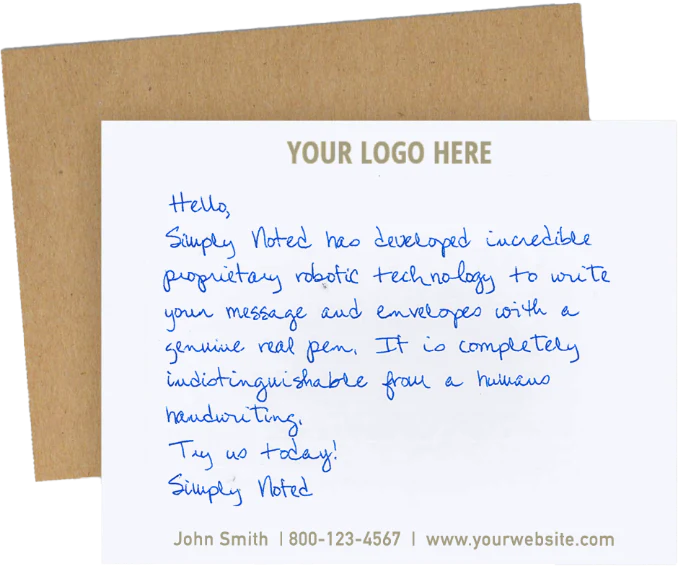
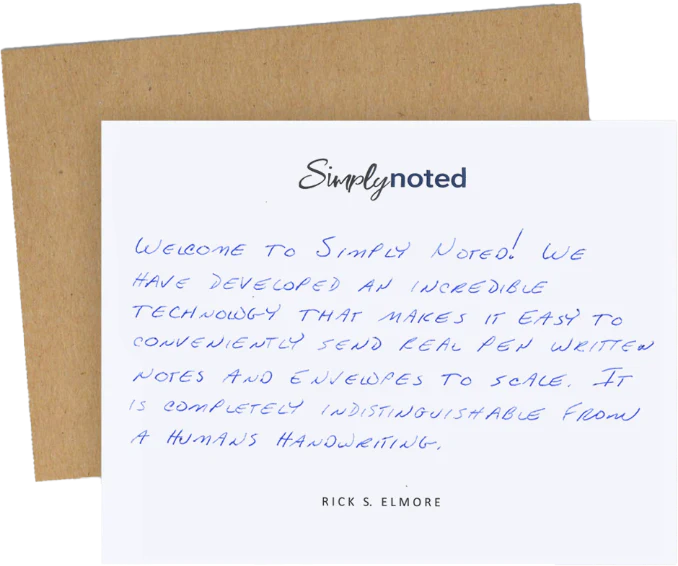
For businesses and professionals who want to send meaningful sympathy messages at scale while maintaining the personal touch of handwritten notes, Simply Noted's handwriting service offers an ideal solution. This technology ensures that every sympathy message maintains the authentic, personal feel that makes handwritten notes so impactful while allowing organizations to respond appropriately to multiple losses within their community.
The investment in handwritten sympathy messages, whether personal or professional, demonstrates a level of care and respect that recipients remember long after their initial grief subsides. These thoughtful gestures often strengthen relationships and create lasting bonds of appreciation and trust.
When someone you know experiences loss, taking the time to craft a meaningful sympathy message provides invaluable comfort during their most difficult moments. Whether you choose to write personal notes or utilize professional handwriting services, your thoughtful words will serve as a source of strength and support when they're needed most. The lasting impact of genuine sympathy messages extends far beyond their initial delivery, creating connections and comfort that endure through the long journey of grief and healing.