Business Letter Format: Professional Standards and Best Practices for Modern Communication
Business Letter Format: Professional Standards and Best Practices for Modern Communication
In an era dominated by digital communication, the art of crafting a properly formatted business letter remains a cornerstone of professional correspondence. Whether you're reaching out to potential clients, following up with existing customers, or conducting formal business communications, understanding proper business letter format ensures your message conveys professionalism and credibility.
A well-structured business letter serves as more than mere communication—it represents your brand, establishes trust, and demonstrates attention to detail that recipients notice and appreciate. Research consistently shows that formal, well-formatted correspondence generates higher response rates and creates lasting impressions compared to casual communication methods.
The Foundation of Professional Business Communication

The business letter format has evolved over centuries, yet its core principles remain unchanged. Professional correspondence requires structure, clarity, and adherence to established conventions that facilitate effective communication across industries and cultures.
Modern business letter format serves multiple purposes: it provides a framework for organizing thoughts, ensures all necessary information is included, and creates a professional appearance that reflects well on both the sender and their organization. When executed properly, this format becomes a powerful tool for building relationships and achieving business objectives.
The psychology behind formal letter structure is rooted in human perception and processing patterns. Recipients unconsciously evaluate correspondence based on visual presentation before engaging with content. A properly formatted letter signals professionalism, competence, and respect for the recipient's time—factors that significantly influence response rates and business outcomes.
Essential Components of Business Letter Format

Every professional business letter contains specific elements arranged in a standardized sequence. Understanding these components and their proper placement ensures your correspondence meets professional standards while effectively conveying your message.
Header and Date Placement
The header section establishes the letter's origin and timeline. Begin with your complete contact information, including full name, title, company name, mailing address, phone number, and email address. Position this information in the upper left corner or center it at the top, depending on your preferred style.
The date follows immediately below your contact information, written in full format (January 15, 2024) rather than numerical abbreviations. This placement provides recipients with essential reference information and creates a professional appearance from the document's opening.
Consistent header formatting across all business correspondence reinforces brand identity and creates recognition among recipients. Many organizations develop standardized letterhead templates that incorporate logos, brand colors, and contact information, ensuring visual consistency across all formal communications.
Inside Address and Salutation
The inside address appears below the date, containing the recipient's complete contact information. Include the person's full name, title, company name, and complete mailing address. This section serves both practical and professional purposes, ensuring proper delivery while demonstrating respect for the recipient.
The salutation follows the inside address, typically beginning with "Dear" followed by the appropriate title and name. When the recipient's name is unknown, use "Dear Hiring Manager" or "Dear Sir or Madam" rather than generic greetings. Personalization significantly improves response rates and creates stronger connections with recipients.
Proper salutation etiquette varies by relationship and cultural context. Business relationships typically warrant formal approaches ("Dear Mr. Smith"), while established professional relationships may accommodate slightly less formal greetings ("Dear John"). Understanding your audience and relationship dynamics guides appropriate salutation selection.
Body Structure and Content Organization
The letter body contains your primary message, organized into clear, focused paragraphs. The opening paragraph should immediately state your purpose, providing recipients with context and expectations for the remainder of the correspondence.
Subsequent paragraphs develop your main points systematically, using logical progression and clear transitions between ideas. Each paragraph should focus on a single concept or topic, making the letter easy to scan and understand. This organization respects busy professionals' time while ensuring comprehensive message delivery.
Effective business letter writing employs active voice, concrete language, and specific details rather than vague generalizations. Professional tone remains consistent throughout, avoiding overly casual language while maintaining warmth and approachability appropriate to your relationship with the recipient.
Professional Closing and Signature
The closing paragraph summarizes key points and clearly states desired next steps or actions. This section should leave recipients with clear understanding of expectations and timeline for any requested responses or actions.
Standard business closings include "Sincerely," "Best regards," or "Respectfully," followed by four line spaces for handwritten signatures, then your typed name and title. This format accommodates both printed letters requiring physical signatures and digital correspondence where typed names suffice.
The signature area reinforces your professional identity and provides additional contact verification. Many professionals include additional contact information below their typed name, making it easy for recipients to respond through their preferred communication method.
Business Letter Format Variations by Purpose
Different business communications require subtle format adjustments to maximize effectiveness while maintaining professional standards. Understanding these variations ensures your correspondence aligns with purpose and audience expectations.
Formal Business Correspondence
Formal business letters, including contracts, legal notices, and official announcements, require strict adherence to traditional formatting standards. These communications often become permanent records, making proper format essential for legal and professional reasons.
Formal correspondence typically employs conservative language, complete sentences, and traditional business phrases. The tone remains respectful and professional throughout, avoiding contractions, colloquialisms, or overly casual expressions that might undermine the message's seriousness.
Sales and Marketing Letters
Sales-focused business letters balance professional format with persuasive content designed to generate interest and response. While maintaining proper structure, these letters often incorporate more engaging language and compelling calls to action.
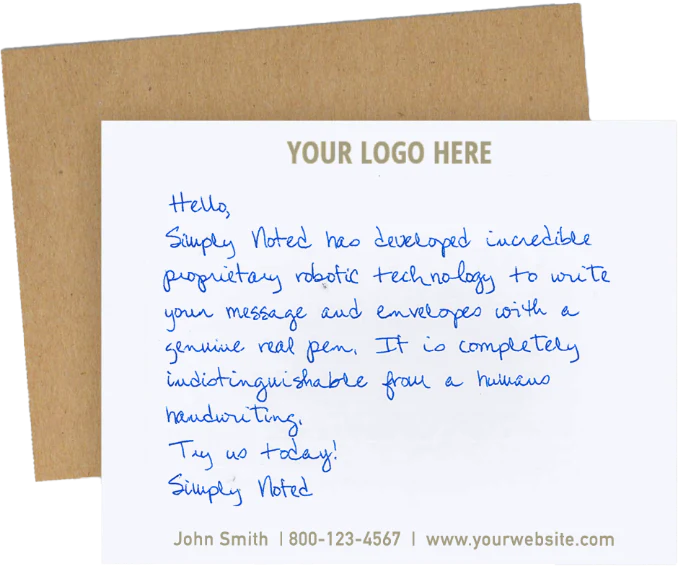
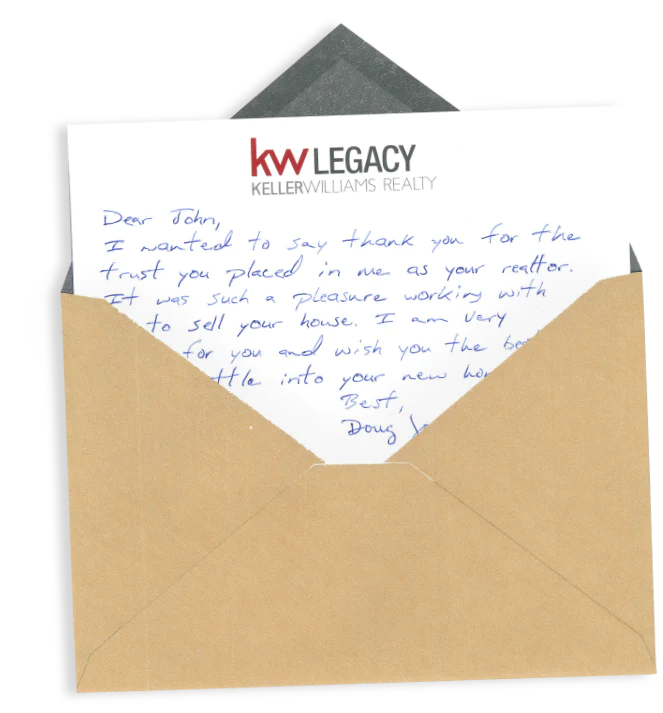
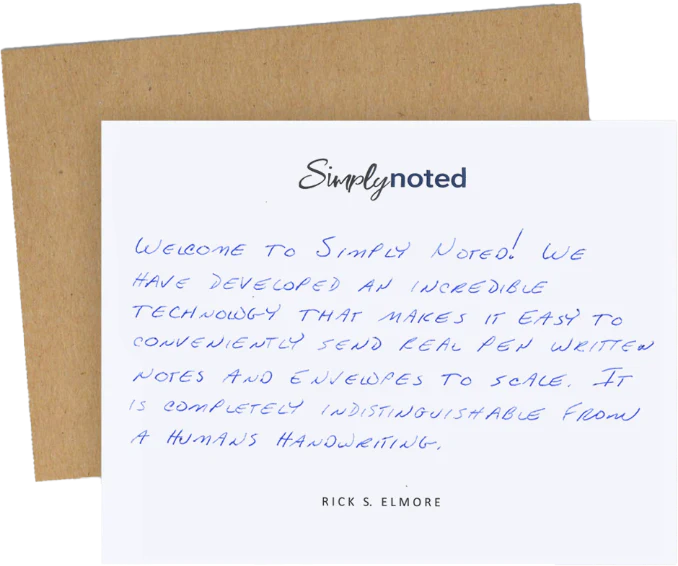
Marketing letters benefit from handwritten envelope addressing and personalized touches that distinguish them from mass mailings. The psychology of handwritten cards demonstrates how personal touches significantly improve response rates compared to standard printed correspondence.
Customer Service Communications
Customer service letters require empathetic tone while maintaining professional structure. These communications often address concerns, provide solutions, or express appreciation for business relationships.
Effective customer service correspondence acknowledges recipient concerns, provides clear solutions or explanations, and reinforces the company's commitment to customer satisfaction. The business letter format provides structure for these sensitive communications while ensuring all necessary information is conveyed clearly.
Digital vs. Handwritten Business Letters
The choice between digital and handwritten business correspondence significantly impacts recipient perception and response rates. While digital communication offers speed and convenience, handwritten letters create emotional connections that drive superior business outcomes.
Handwritten business letters generate 99% open rates compared to email's average 20% open rate. The tactile experience of receiving physical correspondence creates memorable impressions that digital communication cannot replicate. Recipients spend more time engaging with handwritten letters, leading to higher response rates and stronger relationship building.
Simply Noted's handwriting technology enables businesses to combine handwritten letter benefits with scalable production capabilities. This approach maintains personal touch while accommodating large-scale business communication needs.
For businesses seeking to maximize impact, handwritten notes for real estate agents and other professionals demonstrate how personal touches drive superior results compared to standard business correspondence.
Common Business Letter Format Mistakes to Avoid
Frequent formatting errors can undermine otherwise excellent business correspondence. Understanding these common mistakes helps ensure your letters maintain professional standards and achieve desired outcomes.
Inconsistent spacing, incorrect date formats, and improper salutation choices create negative first impressions that may overshadow message content. Proofreading for these technical elements is as important as reviewing content for accuracy and clarity.
Overly casual language, inappropriate tone, or failure to include complete contact information can reduce correspondence effectiveness. Professional business letter format requires attention to both structural and content elements to achieve maximum impact.
Enhancing Your Business Letters for Maximum Impact
Beyond basic formatting requirements, strategic enhancements can significantly improve business letter effectiveness. These improvements focus on recipient experience and response generation while maintaining professional standards.
Personalization extends beyond proper names to include relevant details about recipient interests, business challenges, or previous interactions. This approach demonstrates genuine interest in building relationships rather than conducting transactional communications.
Visual elements, including quality paper, professional letterhead, and careful attention to presentation details, reinforce your message's importance and your organization's professionalism. These factors contribute to recipient perception and response likelihood.
For businesses ready to elevate their correspondence strategy, Simply Noted's pricing plans offer scalable solutions for implementing handwritten business letters across various communication needs. The combination of proper business letter format with handwritten personalization creates powerful tools for relationship building and business growth.
Mastering business letter format provides the foundation for effective professional communication. Whether pursuing new opportunities, maintaining client relationships, or conducting formal business correspondence, proper formatting ensures your message receives the attention and respect it deserves while reflecting positively on your professional competence and organizational standards.