Handwritten Notes Customer Loyalty: Practical Guide for Better Business Notes
Simply Noted writes and mails real pen-and-ink cards for businesses. See handwritten notes for business →
Let's be real—how many emails do you actually remember from last week? Probably not many. But that one handwritten note you got from a small business? Yeah, you still remember that.
In a world where everything feels automated—where your inbox is flooded with "Dear Valued Customer"—there's something almost rebellious about a handwritten note. It's proof that someone actually paused. They picked up a pen, thought about what to say, and put in the effort to make you feel seen. Not as a transaction, not as a number, but as a person.
And here's the thing about loyalty—it's not built on one grand gesture. It's built on those small, consistent moments that say, "Hey, I see you. I appreciate you." A handwritten note isn't just a thank-you card; it's a quiet promise that you're willing to invest real time and care into the relationship. That kind of effort? It sticks.
The psychology of handwritten cards shows that people remember handwritten messages way longer than emails or printed letters. For businesses, that's a game-changer. Because here's the truth: keeping a customer is way more profitable than constantly chasing new ones.
When to Use Handwritten Notes for Customer Retention
Here's the thing about handwritten notes—they're not just paper and ink. They're little moments of connection in a world that's increasingly digital and impersonal. But let's be real: you can't send one to every customer. The magic is in when you pull out the pen.
First purchases are your golden opportunity. Picture this: someone just took a chance on your business. A handwritten note tucked into their order is like a quiet, personal high-five. It says, "Hey, we see you. Thanks for trusting us." And here's the kicker—this is the moment they're deciding whether to come back or not.
Renewals and comebacks shine. If you're in subscriptions or services, a note before renewal lands differently than an automated email—it feels like a nudge from a friend. And if a customer's gone quiet? A handwritten note cuts through the noise.
Big spenders deserve extra love. A handwritten note acknowledging their loyalty? That's rare. It makes them feel seen, valued, and way less likely to wander off to a competitor.
B2B deals need the personal touch. In business sales, a handwritten note from the owner or account lead sets the tone for the relationship. It's not just about the deal; it's about the people behind it.
Mistakes? Fix them with a note. A handwritten note after the dust settles transforms a negative into proof that you care enough to put pen to paper.
Timing is everything. A note sent a few days after a purchase feels thoughtful. Months later? That's just awkward. Know your rhythm—send notes when they'll feel fresh, not forced.
How Handwritten Notes Strengthen Loyalty: Examples and Implementation
Here's the thing about loyalty—it's not built on grand gestures or flashy rewards. It's those little, unexpected moments that stick with people. And nothing does that quite like a handwritten note.
When was the last time you got one? Not an email, not a text—an actual, physical note with your name scrawled across the front. Feels different, right? That's because it is different. It takes effort. And in a world where everything's automated, effort stands out.
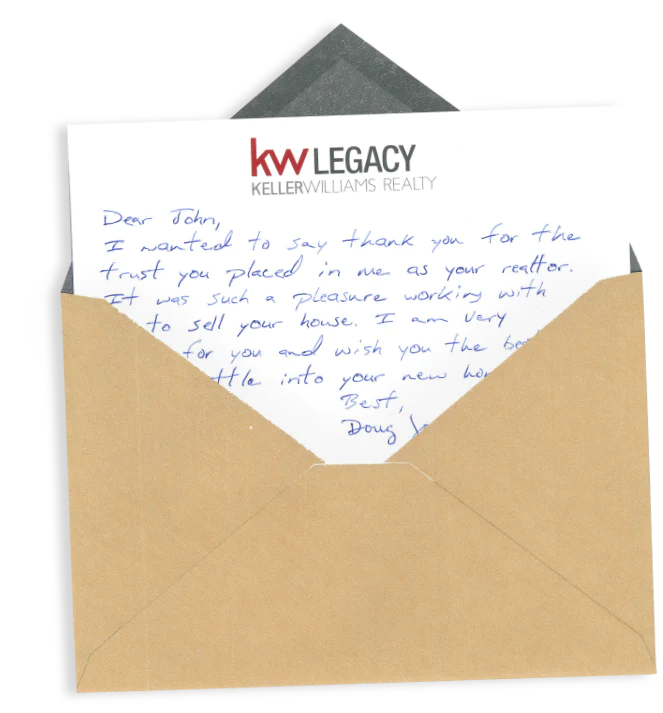
Take real estate agents. The ones who really get it? They send a second note a year later. "Happy one-year anniversary in your home! And hey, if you know anyone else looking to buy, I'd love to help." That's not just follow-up—that's staying top of mind in a way that feels personal. And when a friend asks for a recommendation? That agent's name is the first one that comes to mind.
A financial advisor sending a handwritten note to clients before tax season is doing more than compliance. They're saying, "I care about your goals, not just your portfolio." That's the kind of thing that makes clients stick around.
Even in retail, a simple thank-you note tucked into a first order can work wonders. It's short, it's specific, and it turns a one-time buyer into a repeat customer. Why? Because people remember how you made them feel.
Here's the key to making it work:
- Timing is everything. Send that note within 24-72 hours of the trigger.
- Keep it short and sweet. Three to five sentences max.
- Personalize it. Use their name, mention the product they bought, reference something specific about their business.
- Decide how you'll handle the handwriting. If you're a small business, writing them yourself adds a nice personal touch. But if you're scaling up? Services that handle real handwriting can keep things consistent without losing that authentic feel.
Why Handwritten Notes Outperform Other Loyalty Tactics
Let's be real—your inbox is a warzone. Every day, it's the same battle: promotions, discounts, loyalty program updates. But then, tucked between the junk mail and bills, there's something different. A handwritten note.
Why does that little piece of paper feel like a breath of fresh air? Because it is. It's not just another automated email or a text blast sent to thousands. It's a choice. A deliberate, personal decision to take the time, grab a pen, and write to you.
Studies show that handwritten mail gets opened two to three times more than the printed stuff. Because the second you see that messy scrawl on the envelope, your brain goes, "Someone actually put in the effort to write this." And just like that, you're hooked.
Here's the beauty of it in the world of loyalty: no one expects you to reply. You can just feel the gesture. And when something feels like a genuine act of kindness—rather than a transactional ploy—it sticks.
Sure, sending out handwritten notes costs more than blasting an email. Maybe $200 to $500 a year if you're sending them to 100 customers. But here's the kicker: if even a fraction stick around longer because of that note, the math is insane. A 15-20% bump in retention can mean thousands in extra lifetime value per customer.
Building a Handwritten-Note Loyalty System
Here's how to turn handwritten notes from a sweet gesture into a real loyalty powerhouse.
First things first: figure out when a note will actually make an impact. For online stores, that's usually right after someone places their first order. If you're in services, it might be when a client signs on or when you wrap up a project. Subscription businesses? The renewal month is golden. Map these moments—literally map them out—so you don't miss a beat.
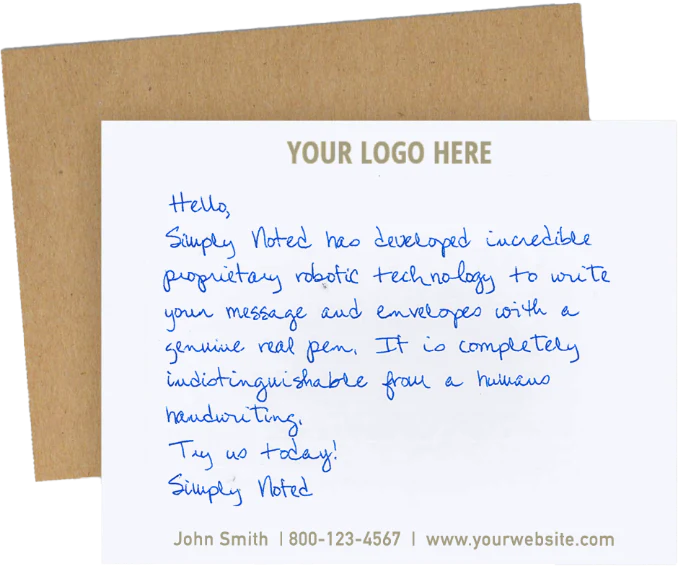
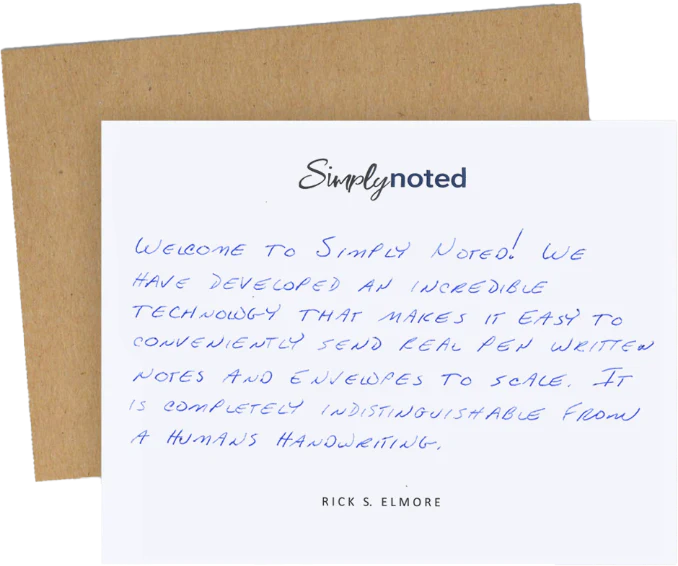
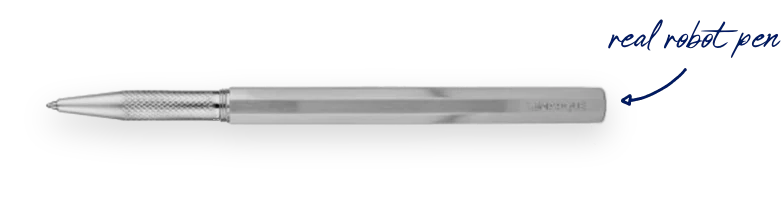
Now, who's actually going to write these notes? That depends on how many you're sending. If it's under 20 a month, grab a pen and do it yourself. There's something special about knowing the owner took the time to write to you. But if you're sending more than that? You'll want to scale without losing that handwritten charm. Real handwriting services use actual humans or smart robots that mimic real pen strokes, so your notes still feel personal, even at scale.
Here's the non-negotiable part: make sure these notes actually get sent. Build them into your CRM or order system so they're either triggered automatically or flagged for you to handle. A note that's scheduled but never sent is just a missed opportunity.
Finally, don't just assume it's working—know it's working. Keep an eye on the numbers: repeat purchases, customer lifetime value, NPS scores. After a couple of months, the data will tell you if this is worth the effort.
How Simply Noted Helps You Scale Customer Loyalty
Here's the truth: handwritten notes work. There's something about that personal touch that makes customers feel seen, valued, and way more likely to stick around. But actually doing it at scale? That's where things get messy.
That's where Simply Noted comes in. We take the whole operation off your plate while keeping all the magic of handwritten notes intact. You pick the moments that matter—first purchase, a renewal, a referral, whatever feels right for your business. Then, you feed us the details (customer names, personalization, special message), and we handle the rest. Real handwriting. Real envelopes. Real stamps. The notes show up at your customers' doors looking like you took the time to write them. They feel the effort, the thoughtfulness, the sincerity. And you? You get all the loyalty points without the headache.
If you're already using a CRM, Zapier, or a custom API, we can make this even smoother. A customer purchases → your system fires off a note request → boom, a handwritten thank-you lands in their mailbox a few days later. All on autopilot. You're free to focus on what you do best—building an amazing product or service—while we handle the warm fuzzies in the background.
FAQ: Handwritten Notes for Customer Loyalty
Q: What's the best way to use handwritten notes for customer loyalty?
A: Identify specific trigger points where a note makes business sense (first purchase, renewal, milestone spend, problem resolution) and send notes within 24-72 hours. Keep notes brief (3-5 sentences), personalize with the customer's name and a specific detail, and send them consistently.
Q: Can businesses automate handwritten notes?
A: Yes. Real handwriting services use either human penmanship or advanced robotics to produce authentic-looking handwritten notes at scale. You provide the names and personalization; the service handles writing, addressing, and delivery. The customer perceives genuine handwriting and care.
Q: How much does it cost to send handwritten notes?
A: Cost depends on volume and service. A handwritten note plus envelope and postage typically costs $2-5 per unit for higher volumes (100+ per month) and $5-8 for small volumes. Compared to a 15-20% increase in customer retention, the ROI is strong for most businesses.