Sympathy Messages: How to Write Meaningful Condolence Notes That Offer Genuine Comfort
Sympathy Messages: How to Write Meaningful Condolence Notes That Offer Genuine Comfort
When someone experiences the loss of a loved one, finding the right words to express condolences can feel overwhelming. Yet sympathy messages serve as vital bridges of compassion, offering comfort during life's most difficult moments. Unlike digital communications that can feel impersonal, handwritten sympathy notes carry an emotional weight that helps grieving individuals feel truly supported and remembered.
Research consistently shows that tangible expressions of sympathy—particularly handwritten notes—provide lasting comfort to those in mourning. The physical act of receiving a handwritten card creates a meaningful touchpoint that grieving families often treasure for years to come.
The Power of Handwritten Sympathy Messages in Times of Grief
In our digital age, the impact of a handwritten sympathy message cannot be overstated. While emails and text messages offer convenience, they lack the personal touch that grieving individuals need most. A handwritten note demonstrates that you took time from your day to sit down, reflect on the deceased, and craft a personal message of comfort.
Studies in grief counseling reveal that bereaved individuals often keep sympathy cards for months or even years after a loss. These tangible reminders of support become cherished keepsakes that provide ongoing comfort during the extended grieving process. The physical presence of a handwritten card serves as a lasting testament to the deceased's impact on others' lives.
The emotional resonance of handwritten sympathy messages extends beyond the immediate recipient. Family members often share these cards with each other, creating a collective sense of community support. This ripple effect amplifies the comfort your message provides, making it a gift that continues giving long after the funeral service ends.
Essential Elements of Meaningful Condolence Notes
Crafting effective sympathy messages requires understanding the delicate balance between offering comfort and respecting the grieving process. The most impactful condolence notes share several key characteristics that distinguish them from generic expressions of sympathy.
What to Include in Your Sympathy Message
Begin your sympathy message with a direct acknowledgment of the loss. Simple phrases like "I was deeply saddened to learn of [Name]'s passing" or "Please accept my heartfelt condolences" establish the appropriate tone while showing respect for the gravity of the situation.
Share a specific memory or quality about the deceased when appropriate. These personal touches transform generic sympathy messages into meaningful tributes that celebrate the individual's life. For example: "I'll always remember [Name]'s infectious laugh during our team meetings" or "[Name]'s kindness toward new employees made such a difference in our workplace culture."
Offer specific support rather than vague promises. Instead of writing "Let me know if you need anything," consider specific offers like "I'd be happy to help with grocery shopping this week" or "Please allow me to coordinate meals for your family during this difficult time."
Close with warm regards that match your relationship with the bereaved. Professional relationships might end with "With deepest sympathy" or "Thinking of you and your family," while closer relationships can include more personal closings like "With love and support" or "Holding you in my thoughts and prayers."
What to Avoid When Writing Condolences
Avoid clichéd phrases that minimize the loss or attempt to find silver linings. Statements like "Everything happens for a reason" or "They're in a better place now" can feel dismissive to grieving individuals who need their pain acknowledged rather than explained away.
Don't make assumptions about the bereaved person's beliefs or coping mechanisms. Avoid religious references unless you're certain they align with the family's faith traditions. Similarly, don't assume how someone should grieve or when they should "move on."
Refrain from sharing your own grief experiences unless specifically relevant and helpful. While well-intentioned, statements like "I know exactly how you feel" can inadvertently minimize the unique nature of each person's loss and relationship with the deceased.
Timing and Delivery: When and How to Send Sympathy Messages
Timing plays a crucial role in the effectiveness of sympathy messages. The ideal window for sending condolences extends from immediately upon learning of the death through several weeks after the funeral. However, it's never too late to send a meaningful sympathy message—many bereaved individuals appreciate receiving support weeks or even months after their loss when the initial wave of attention has subsided.
For immediate family members and close friends, aim to send your sympathy message within the first week after learning of the death. This timing ensures your support arrives when the family is making funeral arrangements and needs to feel surrounded by community care.
Professional relationships and acquaintances can extend this timeline to two or three weeks, particularly if you're sending handwritten cards that require additional preparation time. The personal touch of a handwritten note often outweighs any concerns about timing, as the thoughtfulness behind the gesture remains meaningful regardless of when it arrives.
Consider the delivery method carefully. Hand-delivered notes offer the most personal touch when geographically feasible, while mailed cards ensure your message reaches the family even from a distance. For businesses managing multiple sympathy outreach efforts, automated handwritten notes can help ensure timely delivery while maintaining the personal touch that makes sympathy messages so meaningful.
Sample Sympathy Messages for Different Relationships
The tone and content of sympathy messages should reflect your relationship with both the deceased and the bereaved family. These sample messages provide frameworks that can be personalized based on your specific circumstances.
Messages for Close Family and Friends
For immediate family members and close friends, sympathy messages can be more personal and emotional:
"My heart breaks for you during this incredibly difficult time. [Name] was such a special person who touched so many lives with [his/her] warmth and generosity. I have countless beautiful memories of [specific memory], and I know [his/her] legacy of kindness will live on in all of us who were fortunate enough to know [him/her]. Please know that I'm here for you in whatever way you need—whether that's help with daily tasks, someone to listen, or simply a shoulder to cry on. You and your family are in my thoughts and prayers."
Professional Sympathy Messages for Colleagues
Workplace sympathy messages require a more formal tone while still conveying genuine care:
"Please accept my deepest condolences on the loss of your [relationship to deceased]. I know this is an incredibly difficult time for you and your family. [Name] spoke of you often and with such pride—it was clear how much you meant to [him/her]. During this challenging period, please don't hesitate to reach out if there's anything I or our team can do to support you. We're thinking of you and wishing you peace and comfort in the days ahead."
Messages for Acquaintances and Community Members
For more distant relationships, sympathy messages should be respectful and brief:
"I was saddened to learn of [Name]'s passing. Although we didn't know each other well, [his/her] positive impact on our community was evident to all who encountered [him/her]. Please accept my sincere condolences during this difficult time. You and your family are in my thoughts."
The Lasting Impact of Handwritten Sympathy Notes
The benefits of sending thoughtful sympathy messages extend far beyond the immediate comfort they provide. For the bereaved, these notes become treasured keepsakes that offer ongoing support throughout the grieving process. Many people create memory boxes or scrapbooks that include sympathy cards alongside photos and other mementos of their loved ones.
From the sender's perspective, taking time to craft meaningful sympathy messages strengthens relationships and demonstrates character values that others remember long after the immediate crisis passes. In professional settings, colleagues and clients often remember the compassion shown during difficult times, leading to stronger business relationships built on genuine care and empathy.
The act of writing sympathy messages also provides benefits for the sender's emotional well-being. The process of reflecting on positive memories of the deceased and expressing care for the bereaved creates a sense of meaningful contribution during times when we often feel helpless in the face of loss.
Making Sympathy Outreach Manageable for Businesses and Organizations
For businesses, organizations, and professionals who need to send sympathy messages regularly—such as funeral homes, healthcare providers, or community leaders—managing this important outreach can become overwhelming without proper systems in place.
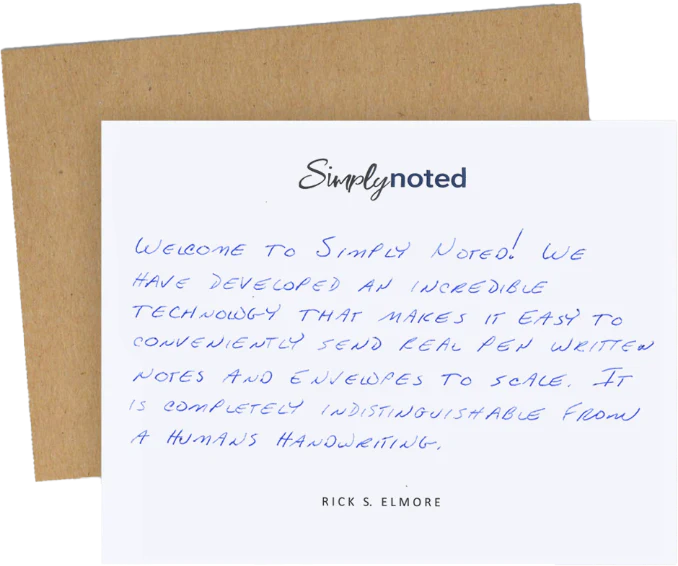
Simply Noted's handwritten note service offers a solution that maintains the personal touch of handwritten sympathy messages while providing the efficiency needed for larger-scale outreach. Using proprietary robotics technology, businesses can send authentic handwritten condolence notes that recipients cannot distinguish from traditional hand-penned messages.
This approach proves particularly valuable for organizations that want to maintain meaningful relationships during difficult times without sacrificing the authenticity that makes sympathy messages so impactful. The integration capabilities allow businesses to automate sympathy outreach based on triggers in their CRM systems while ensuring each message maintains the personal touch that grieving families deserve.
For professionals managing client relationships, the ability to send timely, handwritten sympathy messages can differentiate your service and demonstrate the level of care that builds lasting loyalty. Financial advisors and insurance agents particularly benefit from this approach, as their clients often face significant life changes that require compassionate support.
Sympathy messages represent one of the most important forms of human communication, offering comfort during life's most challenging moments. Whether sent by individuals or organizations, these handwritten expressions of care create lasting connections that honor both the deceased and the relationships they leave behind. By understanding the essential elements of meaningful condolence notes and utilizing appropriate tools for delivery, we can ensure our sympathy messages provide the genuine comfort that grieving families need most.
If your organization regularly sends sympathy messages and wants to maintain the personal touch while improving efficiency, explore how Simply Noted can help you deliver authentic handwritten condolences that truly make a difference during difficult times.