8 Proven Business Customer Loyalty Strategies That Drive Revenue Growth in 2026
Simply Noted writes and mails real pen-and-ink cards for businesses. See handwritten notes for business →

8 Proven Business Customer Loyalty Strategies That Drive Revenue Growth in 2026
Here's a sobering statistic that should reshape how you think about customer relationships: According to Bain & Company research, acquiring a new customer costs 5-25 times more than retaining an existing one. Yet most businesses still allocate 80% of their marketing budget to acquisition rather than retention.
The numbers tell an even more compelling story. Harvard Business Review reports that increasing customer retention rates by just 5% can boost profits by 25-95%. Meanwhile, Semrush data shows you're 60-70% likely to sell to an existing customer versus just 5-20% for new prospects.
Customer loyalty isn't just a nice-to-have — it's a business imperative. Loyal customers spend more, refer others, and provide the predictable revenue that fuels sustainable growth. In today's hyper-competitive marketplace, businesses that master customer loyalty strategies consistently outperform their competitors.
This comprehensive guide reveals eight proven strategies that top-performing businesses use to build unshakeable customer loyalty, backed by real data and actionable insights you can implement immediately.
1. Deliver Exceptional Customer Service That Creates Emotional Connections

Outstanding customer service remains the cornerstone of customer loyalty. Microsoft's Global State of Customer Service Report found that 96% of consumers say customer service is important in their choice of loyalty to a brand.
But here's what separates good from exceptional: emotional connection. Gallup research shows that emotionally connected customers are:
- 2.1 times more valuable than highly satisfied customers
- 3 times more likely to recommend your business
- 3 times more likely to repurchase
- 5 times more likely to forgive mistakes
- Proactive communication: Reach out before problems occur
- Personalized solutions: Tailor responses to individual customer needs
- Quick resolution: Zendesk data shows 67% of customers hang up if they can't reach a human quickly
- Follow-up care: Check in after resolving issues to ensure satisfaction
2. Design Customer Loyalty Programs That Actually Drive Behavior

Not all loyalty programs are created equal. While 90% of companies have some form of loyalty program, Bond Brand Loyalty research reveals that only 37% of consumers are satisfied with their program experiences.
The most effective loyalty programs share these characteristics:
- Clear value proposition: Members understand exactly what they get
- Achievable rewards: Goals feel attainable, not impossibly distant
- Personalized offers: Rewards match individual preferences and behaviors
- Omnichannel integration: Points and benefits work across all touchpoints
- Starbucks Rewards: 24.2 million active members drive 40% of total sales
- Amazon Prime: 200+ million members with 95% retention rates
- Sephora Beauty Insider: Drives 80% of annual sales from program members
3. Implement Subscription Models for Predictable Revenue and Loyalty
Subscription models have exploded because they solve loyalty challenges for both businesses and customers. McKinsey research shows the subscription economy has grown over 435% in the past decade.
Why subscriptions drive loyalty:
- Convenience factor: Customers don't need to remember to reorder
- Cost savings: Subscribers often receive better pricing
- Personalization: Services improve over time based on usage data
- Switching costs: Canceling requires effort most customers avoid
- Monthly Recurring Revenue (MRR): Predictable income stream
- Customer Lifetime Value (CLV): Subscribers typically have 3-5x higher CLV
- Churn rate: Best-in-class companies maintain <5% monthly churn
- Net Revenue Retention: Top performers exceed 110% annually
Even if your core business isn't subscription-based, consider adding subscription elements like maintenance plans, premium support, or regular delivery options.
4. Master the Art of Customer Feedback and Continuous Improvement
Listening to customers isn't enough — you must act on what you hear. Salesforce research found that 89% of consumers are more likely to make another purchase after a positive customer service experience.
Effective feedback collection strategies:
- Net Promoter Score (NPS) surveys: Simple, standardized metric for loyalty measurement
- Customer satisfaction (CSAT) surveys: Immediate feedback after interactions
- Customer effort score (CES): Measures how easy you are to do business with
- Social listening: Monitor mentions across social platforms
- Direct outreach: Personal calls or meetings with key accounts
- Collect: Gather feedback through multiple channels
- Analyze: Identify patterns and prioritize improvements
- Act: Implement changes based on customer input
- Communicate: Tell customers how their feedback shaped improvements
- Measure: Track whether changes improved satisfaction scores
5. Leverage Personalization Technology to Create Individual Experiences
Generic experiences are loyalty killers in 2026. Epsilon research shows 80% of consumers are more likely to purchase when brands offer personalized experiences.
Personalization opportunities across the customer journey:
- Product recommendations: AI-driven suggestions based on purchase history
- Dynamic pricing: Loyalty discounts and member-exclusive offers
- Content customization: Emails, website content, and offers tailored to interests
- Communication preferences: Choosing channels, frequency, and timing
- Service interactions: Representatives have full context of customer history
- Customer Data Platforms (CDP): Unified customer profiles
- Marketing automation: Triggered campaigns based on behavior
- AI and machine learning: Predictive analytics and recommendations
- CRM integration: Sales and service team access to complete customer view
6. Build Emotional Connections Through Authentic Communication
Transactional relationships don't inspire loyalty — emotional connections do. Motista research found that emotionally connected customers have a 306% higher lifetime value and stay with brands for an average of 5.1 years versus 3.4 years for satisfied customers.
Strategies for authentic customer communication:
- Share your story: Be transparent about your mission, values, and challenges
- Celebrate milestones: Acknowledge customer anniversaries and achievements
- Admit mistakes: Own up to errors and show how you're improving
- Show appreciation: Regular thank-you messages beyond transactional confirmations
- Create community: Forums, events, and spaces where customers connect
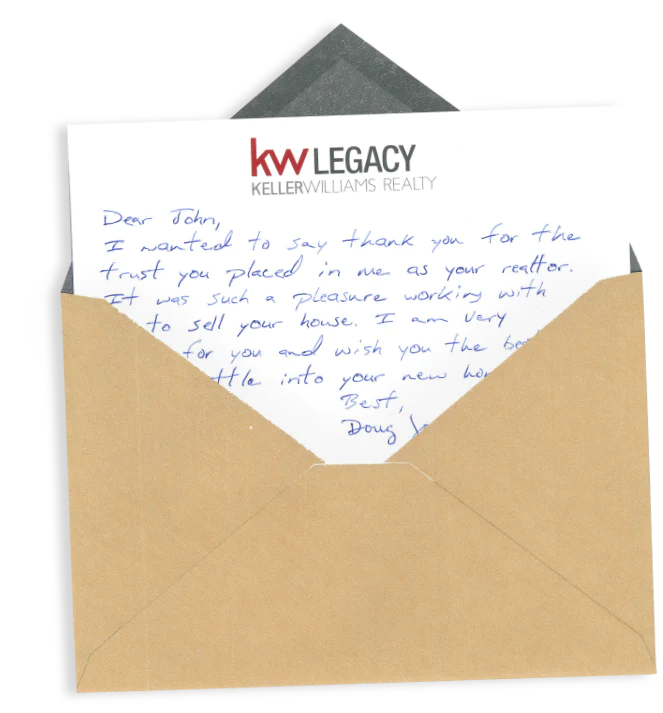
Businesses using handwritten customer retention strategies report:
- 23% higher customer satisfaction scores
- 31% increase in repeat purchase rates
- 18% improvement in referral generation
7. Create Omnichannel Experiences That Meet Customers Where They Are
Modern customers expect seamless experiences across all touchpoints. Harvard Business Review research analyzing 46,000 shoppers found that omnichannel customers spend 4% more in-store and 10% more online than single-channel customers.
Key omnichannel loyalty drivers:
- Consistent messaging: Brand voice and offers align across channels
- Unified customer data: Representatives see complete interaction history
- Cross-channel rewards: Loyalty points work online, in-store, and mobile
- Flexible fulfillment: Buy online/pickup in-store, easy returns anywhere
- Synchronized inventory: Real-time stock levels across all channels
- Customer satisfaction scores across all touchpoints
- Channel migration patterns and preferences
- Cross-channel purchase behavior and frequency
- Resolution time for issues spanning multiple channels
8. Implement Proactive Retention Strategies Using Predictive Analytics
The best time to save a customer is before they decide to leave. Gartner research shows that proactive customer service can reduce costs by up to 25% while improving satisfaction scores by 30%.
Predictive retention strategies:
- Churn prediction models: AI identifies at-risk customers before they leave
- Behavioral triggers: Automated outreach when engagement drops
- Health scoring: Regular assessment of customer relationship strength
- Win-back campaigns: Targeted offers for customers showing exit signals
- Success management: Proactive check-ins to ensure customers achieve their goals
- Decreased login frequency or engagement
- Reduced purchase volume or frequency
- Increased support ticket volume
- Negative sentiment in communications
- Non-renewal of subscriptions or contracts
- Personalized check-in calls from account managers
- Usage optimization sessions to maximize value
- Exclusive offers before customers start shopping competitors
- Handwritten thank-you notes acknowledging loyalty and partnership
Measuring Customer Loyalty: KPIs That Matter in 2026
You can't improve what you don't measure. The most successful businesses track specific metrics that indicate loyalty strength and predict future behavior.
Essential loyalty metrics:
- Net Promoter Score (NPS): Industry benchmark for customer advocacy
- Customer Lifetime Value (CLV): Total revenue potential per customer
- Repeat purchase rate: Percentage of customers who buy again
- Customer retention rate: Percentage of customers who stay over time
- Referral rate: New customers generated by existing customers
- Share of wallet: Percentage of customer's category spending you capture
- Engagement depth: How actively customers use your products/services
- Advocacy behaviors: Reviews, referrals, and social media mentions
- Expansion revenue: Additional products/services purchased over time
Transform Your Business with Strategic Customer Loyalty
Customer loyalty isn't built overnight, but the businesses that commit to these proven strategies consistently outperform their competitors. The data is clear: loyal customers are more profitable, less expensive to serve, and become your best marketing asset through referrals and advocacy.
The most successful businesses in 2026 will be those that view customer loyalty as a strategic advantage, not just a nice-to-have metric. By implementing these eight strategies — from exceptional service and personalized experiences to proactive retention and emotional connections — you'll build the kind of customer relationships that drive sustainable growth.
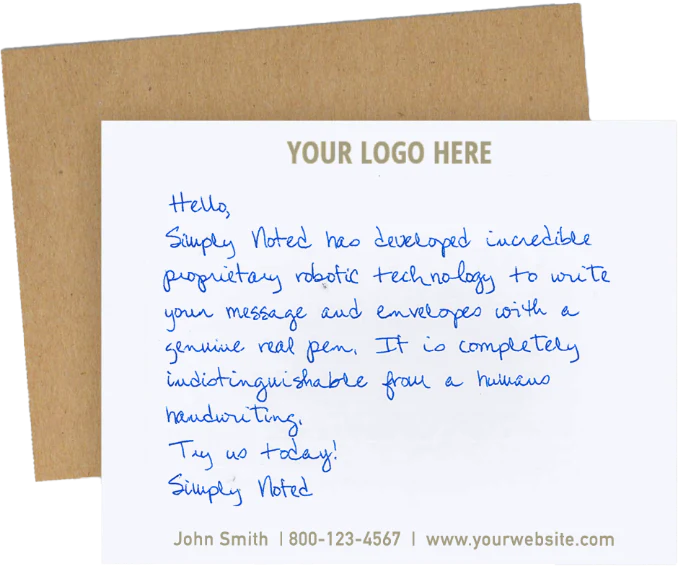
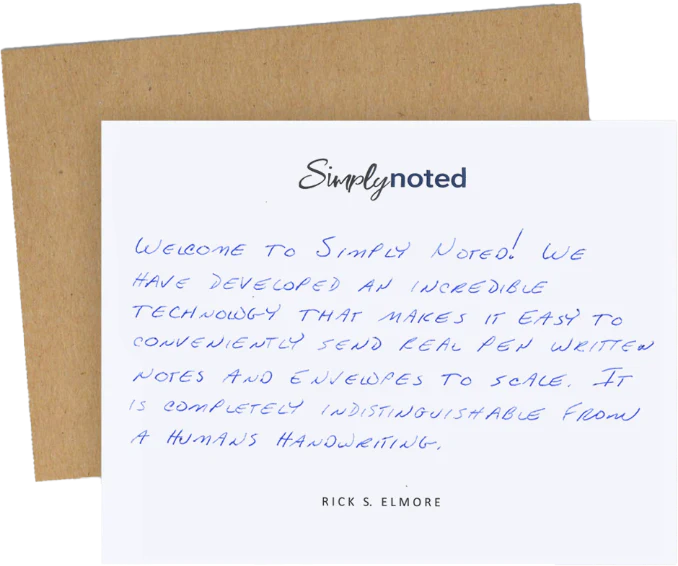
Ready to strengthen your customer relationships with authentic, personal touches? Simply Noted's handwriting automation platform helps businesses send genuine handwritten notes at scale, creating the emotional connections that turn customers into lifelong advocates. Our proprietary robotics technology uses real pens and authentic handwriting styles to deliver the personal touch your customers crave.
Explore our pricing options and discover how handwritten notes can become your secret weapon for customer loyalty. From thank-you cards to CRM integrations, we make it easy to add the human touch that transforms transactions into lasting relationships.
Start building stronger customer loyalty today — because in business, relationships are everything.